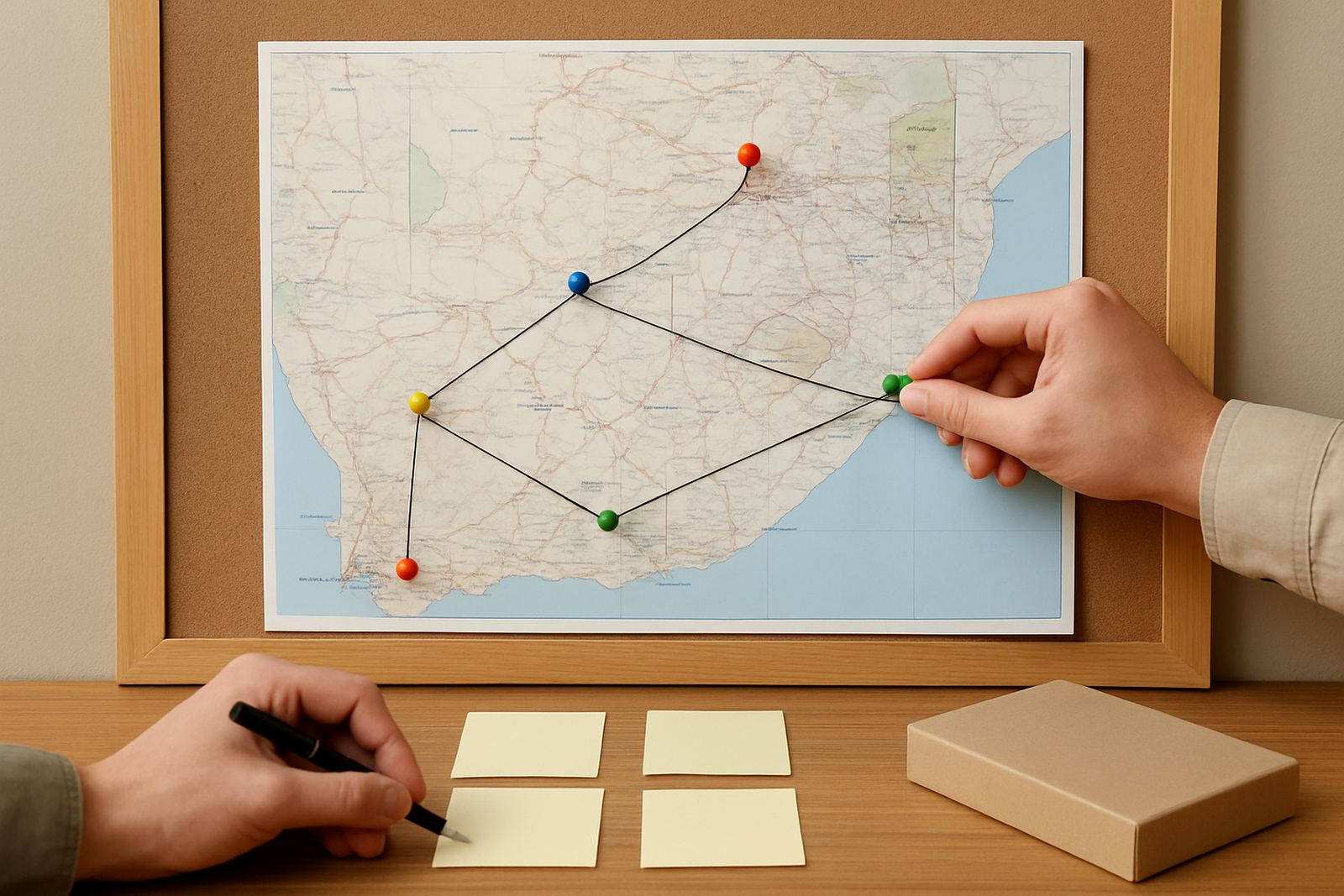
Start With Orders That Must Leave Today
The first job of the morning is not printing labels, it is deciding what actually needs to leave today. A small online shop can save a lot of trouble by separating paid orders, urgent orders, and anything waiting on stock confirmation before the courier run starts. That simple check stops a parcel from being packed twice or collected with the wrong item inside.
In practice, many shops use a short triage process before 09:00. Orders with same-day promises, express delivery requests, or customers near a cut-off time go to the top. Standard parcels follow after that. If you sell from Woodmead or Midrand, this also helps when traffic on the M1 or N1 starts building, because you know which parcels must be ready for the earliest pickup.
- Confirm payment status on every order.
- Flag any special packing notes.
- Separate express, economy and return collections.
- Check if the address is complete, including suburb and postal code.
Check Courier Options Before The Rush Starts
Morning is the best time to compare courier choices because rates, delivery windows and collection times can differ from one route to another. A parcel going from Sandton to Cape Town may suit a different service to one going from Pretoria to Durban, especially if the customer wants a faster turnaround or lower cost. Comparing early gives you room to choose instead of rushing into the first option that appears.
For a small shop, this is not just about price. It is also about pickup timing, delivery promise, parcel size rules and whether the service suits the kind of products you send. Fragile items, multiple parcels and heavier cartons often need a bit more attention. If your stockroom is in Gqeberha and the weather is damp, you may also want to make sure packaging is sealed well before handover. A bit of moisture can cause trouble if you leave boxes open for too long.
- Compare economy and express options side by side.
- Check collection cut-off times for each area.
- Review delivery times for nearby and national routes.
- Match the courier choice to the parcel size and weight.
Pack Orders For Fast Collection, Not Just For Storage
Packing for dispatch is different from packing for shelf storage. Parcels should be easy to scan, easy to stack and ready for quick handover. That means clear labels, firm tape on every seam, and no loose corners that catch when the driver is loading. When power cuts interrupt the morning, having packing materials laid out before load-shedding starts can help the team keep working without delay.
A practical packing station should make the process quick enough for one person to handle a few orders at once without mixing them up. Use a fixed spot for labels, sleeves, tape, void fill and returns slips. If a parcel needs signature confirmation or special handling, mark it before it leaves the table. This keeps the collection area tidy and saves time when the driver arrives.
- Use one packing station for all outgoing orders.
- Keep tape, labels and fillers within arm’s reach.
- Mark fragile, returns and urgent parcels clearly.
- Double check each parcel against the order list before sealing.
Book Pickups Before Traffic And Cut-Off Times Bite
Once the parcels are packed, book the pickups early. That simple habit is one of the easiest ways to stay ahead of the day. In Johannesburg especially, a late morning booking can mean a tighter collection window if roads around Sandton, Woodmead or the highway network are busy. In Cape Town and Durban, weather, traffic and area-specific delays can also shift the day quite fast.
Booking early helps you plan staff time too. If you know the collection is coming at a set time, the team can finish scanning, stacking and confirming addresses before the driver arrives. For shops that send daily orders across South Africa, a fixed booking routine makes the business feel calmer. There is less back and forth, less guessing and fewer missed pickups. That kind of order is what keeps small shops competitive and on top of customer expectations.
It also helps with returns collections. When a customer has sent the wrong size back or a parcel needs to be collected again, the return should be handled in the same morning routine. That way the item does not sit on a shelf for days while everyone waits for someone else to remember it.
Use A Simple Handover Checklist Before The Driver Arrives
A quick handover checklist protects the morning flow. It also gives the team a last chance to catch small mistakes before the parcels leave the premises. One missing street number or one unsealed box can lead to a wasted collection and a frustrated customer. For a small online shop, that is time and money you do not get back.
Keep the checklist short enough that the whole team will actually use it. Five minutes is usually enough if the process is tight. A good handover should cover parcel count, label accuracy, service type and any special notes the courier needs. If you are sending orders from Pretoria or Gqeberha, where some areas can have different access patterns, it is worth confirming gate codes, building names and collection points before the truck arrives.
- Count all parcels ready for collection.
- Check the service selected for each parcel.
- Confirm labels are facing outward.
- Record any failed deliveries or returns to follow up later.
Keep The Afternoon Free For Exceptions And Follow-Ups
The best morning routines leave room for the unexpected. There will always be one parcel that needs a correction, one customer who changes an address, or one pickup that arrives earlier than planned. If the whole dispatch process is done before lunch, the afternoon can be used for exceptions, tracking checks and customer updates instead of panic.
That is where shipping admin support matters. Small shops do not always have someone sitting aside just to chase courier updates, compare options or process multiple orders one by one. A routine that clears the morning work helps the rest of the day run better. It also gives the owner more time to focus on sales, stock and customer service, rather than spending the day hunting for a missing parcel. That balance is often what helps a shop grow without taking on unnecessary overheads.
For example, a clothing seller in Sandton with orders going to Durban, Cape Town and Midrand can begin with order checks, compare services, book pickups, then spend the afternoon answering delivery queries. It is a simple rhythm, but it keeps the business moving and reduces stress when the day gets busy.