





































How to choose the right courier article for your shop
Start with the problem you need to solve. If orders are piling up in Woodmead or Midrand and you need faster collection, look for pieces on pickup timing and dispatch planning. If your customers are in Cape Town, Durban or Gqeberha, compare articles that explain distance, service areas and how delivery speed affects cost.
This journal is useful when you are weighing economy shipping against express shipping, or deciding when a local delivery option makes more sense than a national service. Read by situation, not by title alone, so you can match the advice to your order volume, parcel size and customer promise.
- Choose by parcel urgency, not just price
- Check whether the advice fits local or national delivery
- Look for notes on returns, tracking and failed deliveries
Booking pickups without slowing down your packing table
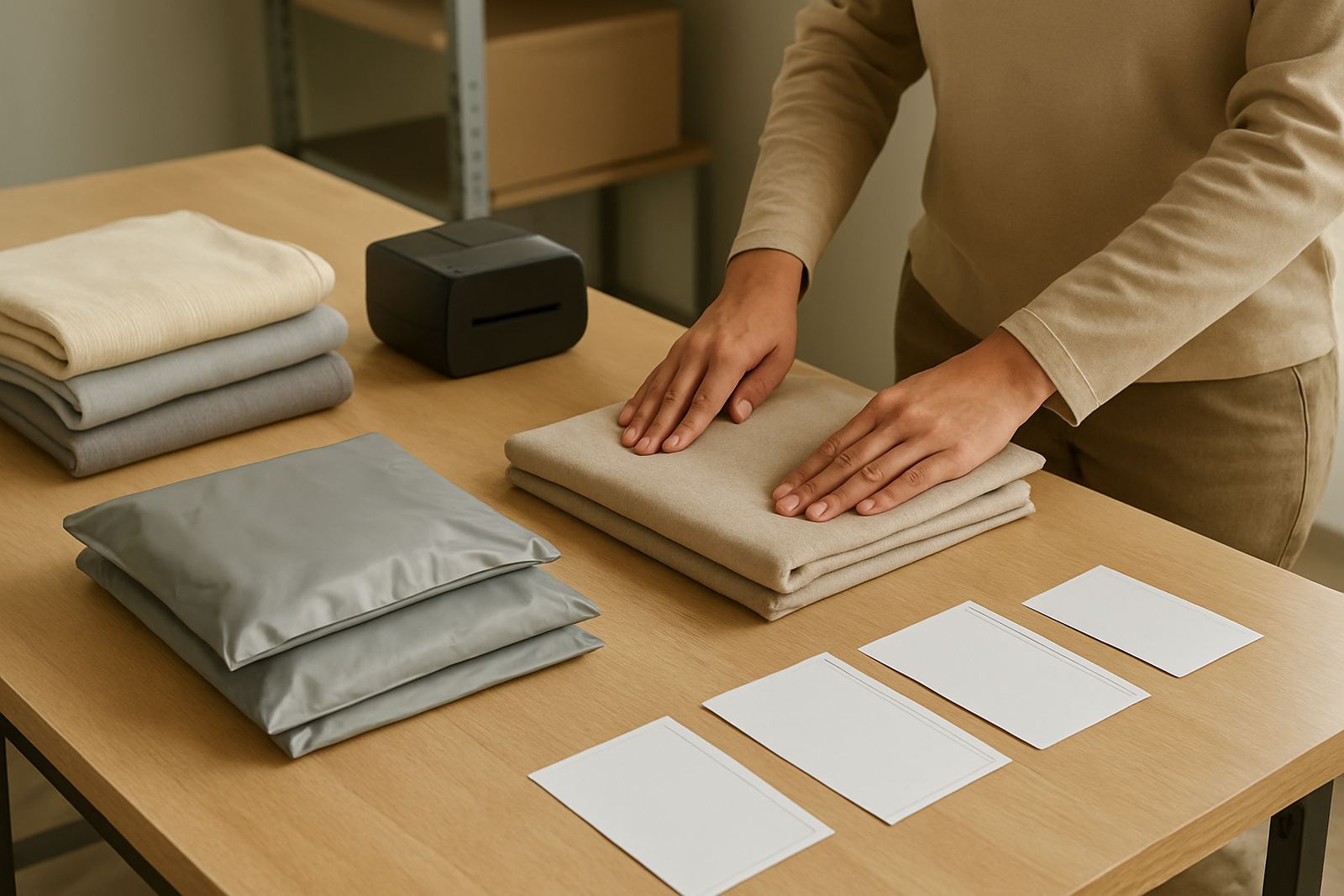
Good courier booking starts before the driver arrives. Keep stock counted, parcels labelled and invoice details ready so you do not lose time at collection. For small shops working around load-shedding, it helps to finish packing while the power is on, then book pickups once labels and weights are confirmed.
If you ship from Sandton, Pretoria or central Johannesburg, same-day timing can be tight during traffic peaks. The best journal posts explain how to prepare parcels early, what details to check twice, and how to avoid rebooking when a collection window is missed.
- Weigh parcels before you confirm a booking
- Use clear addresses, suburb names and unit numbers
- Separate fragile items so they are easy to hand over
What small shops should expect from delivery times
Customers want a straight answer, even if the answer is not instant. A courier journal should help you explain the difference between next-day, two to three day and economy delivery in plain terms. That matters when buyers are in another province and expect city speed for a rural address.
We also cover the practical parts of delivery promises, like cut-off times, weekend movement and what happens near public holidays. If your shop sells clothing, gifts or replacement parts, setting the right expectation can reduce follow-up messages and chargebacks.
Returns, exchanges and the paperwork that goes with them
Returns are part of online selling, especially when customers order the wrong size or change their mind. The articles in this section explain how to keep returns organised without mixing them up with new outgoing orders. That includes booking a return collection, tagging the parcel correctly and checking whether the item needs inspection before a refund or exchange.
A clean process saves time and protects stock value. It also helps when you sell across provinces, because the return path can be very different from the original delivery route.
- Record the order number on every return parcel
- Separate damaged goods from unopened returns
- Confirm who pays for the return before collection is booked
Shipping habits that make month-end easier
Smart dispatch habits show up in your cash flow. When shipping admin is messy, you lose time chasing missing parcels, correcting addresses and answering the same customer questions again and again. A good journal article will show you how to batch orders, group collections and keep a simple tracking routine that your team can follow.
For small shops in South Africa, that might mean planning around school runs, municipal outages or deliveries into estates with strict access rules. It can be as simple as printing labels in one block, checking suburb spelling and using the same packing standard for every order.
A practical read for owners, packers and customer support
This journal is written for the people who actually get parcels out the door. Whether you are the owner, the packer, or the person answering customer messages, the aim is to make courier decisions easier to follow. The articles stay grounded in day-to-day shipping work, from first order to final delivery confirmation.
Use the journal to build better habits in your shop and to give customers clearer answers. If you are comparing services, booking pickups or sorting out returns, you will find guidance that fits South African trading conditions and the pace of small online sales.