Start with the parcel flow, not the furniture
Before you buy shelves or tables, map the order of work from stock pick to sealed parcel. In a small room, garage or back office, the best setup is usually a straight path: receive stock, check order, pack, print label, then stage for courier pickup. If you keep those steps in one direction, you cut down on backtracking and the odd missing item that happens when packng gets rushed.
A practical layout needs enough room for one person to turn with a carton in hand. In most homes or compact business spaces, a 1.5 metre work surface is enough for packing, taping and labelling. Leave a clear floor lane to the door or loading point, especially if parcels are collected by different couriers during the week.
Use wall space before you use floor space
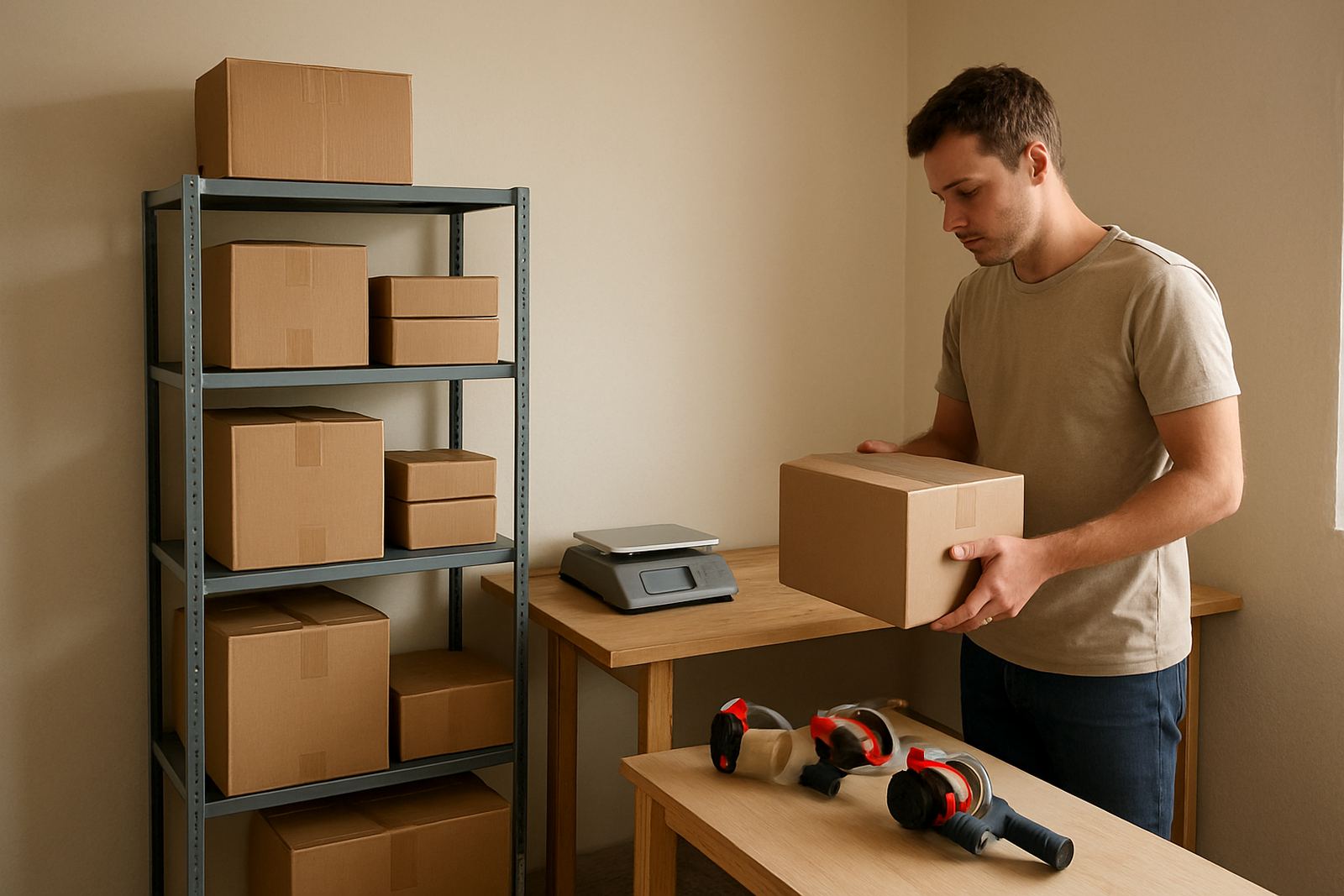
Wall storage is often the difference between a tidy dispatch area and one that turns into a pile of boxes by Friday afternoon. Put the items you touch every day at arm height, and move slower stock higher up. For small shops in Sandton or Midrand, where office space is expensive, a few strong shelves can free up enough room for a packing bench and a label printer.
- Use open shelving for cartons, mailers and tape so you can see stock levels at a glance.
- Keep a separate shelf for returns so they do not get mixed with fresh orders.
- Store printed labels and documents in plastic sleeves to protect them from dust and humidity.
- Use bins or tubs for smaller items like inserts, cable ties, and packing paper.
If your space is near the coast, such as a Durban or Gqeberha operation, sealed tubs help protect packaging from damp air. Cardboard softens quickly in humid conditions, so keep it off the floor and away from open windows.
Set up a packing station that works during load-shedding
Power cuts are part of planning in South Africa, so your dispatch area should still function when the lights go off. Keep a charged backup light, a manual tape dispenser, and printed order slips ready for short outages. If you use a printer for labels, place it where it can be reached quickly when power returns, not buried under stock.
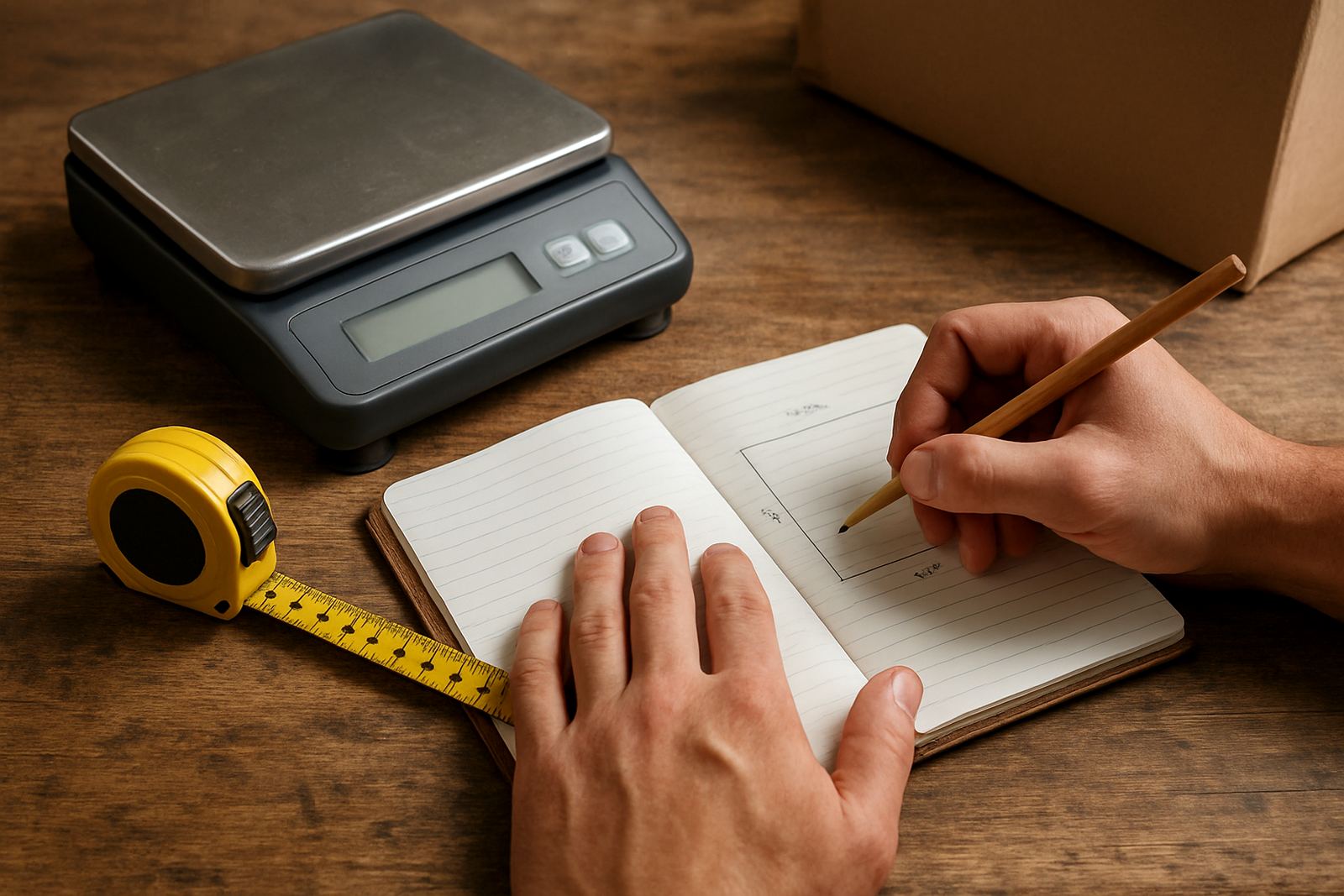
A good packing station does not need to be fancy. It needs a flat surface, a chair for admin work, and enough clearance for a scale, label printer and scanner if you use one. If you process many small orders, separate the packing zone from the admin zone, even if that means using two small tables instead of one larger one.
- Keep the scale near the edge of the table so parcels can be weighed without moving other stock.
- Place tape, cutters and labels in the same position every day.
- Use a wall hook or clip board for daily courier bookings and collection notes.
- Mark a power backup spot where the essentials can run first after an outage.
Stage collections in a way that stops last-minute confusion
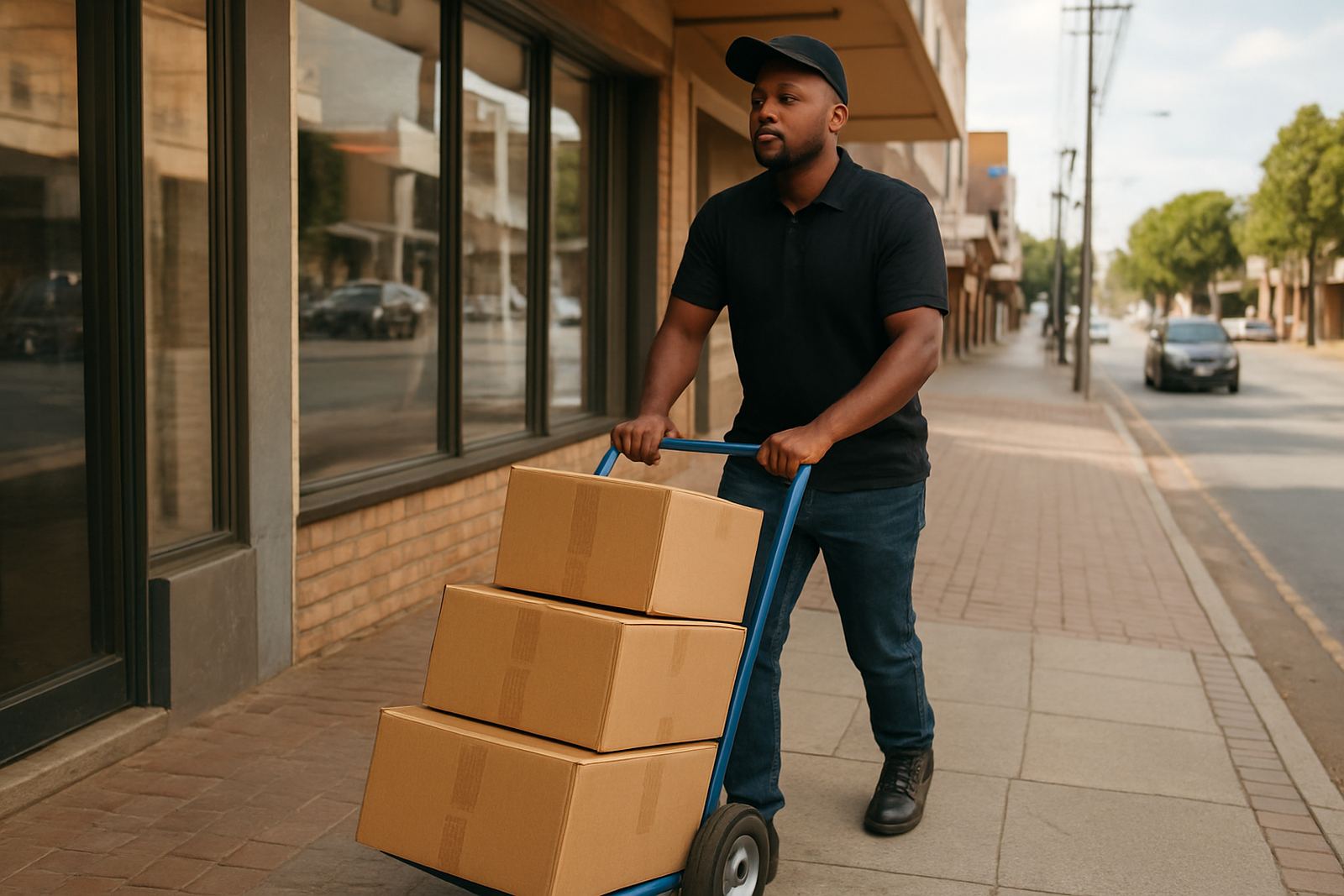
The biggest risk in a small dispatch room is mixing up parcels that are meant for different routes or service levels. A simple staging system helps. Use one shelf, trolley or marked floor area for same-day collections, another for next-day bookings, and a separate corner for returns collections. That keeps express parcels from being tucked behind economy parcels by mistake.
For shops sending out to Johannesburg, Pretoria, Cape Town, Durban and Gqeberha, clear labelling matters because collection times can vary. If the courier arrives early, you should be able to hand over the right parcels in under a minute. A small printed sign for each service type can save time and reduce back-and-forth at pickup.
- Sort by courier collection time, not only by destination.
- Keep fragile parcels on the top shelf or in a marked tray.
- Separate national and local deliveries if the paperwork differs.
- Do a final count before the parcels leave the room.
Keep returns and rework away from fresh orders
Returns need their own spot, even if it is only a crate or a small shelf. If a returned item is waiting for inspection, do not place it next to ready-to-ship stock. That simple habit prevents a lot of avoidable stock errors, especially for clothing, accessories and small electronics.
Set one day or one time block for checking returns, cleaning items, and updating stock notes. If an item needs repacking, do it in the returns area first, then move it back to the main packing station once it is cleared. This keeps the main line moving and makes the space feel less cluttered.
Make the room easy to clean and easy to audit
Dust, offcuts of tape and broken cartons build up fast in a shipping space. A clean room is not only neater, it helps with stock control. Sweep the floor at the end of each day and wipe the table before the first order of the morning. If the room is shared with other office work, a cleaner layout also helps staff find what they need without interrupting the dispatch flow.
Label shelves clearly and use the same packing setup every day. When the process changes from one shift to the next, mistakes creep in. A small audit check at closing time is useful: count the packed orders, confirm any pending pickups, and make sure the next day’s packaging is topped up. It takes a few minutes but saves a lot of rework.
A Woodmead example for a shop shipping daily
Picture a small online shop in Woodmead handling 20 to 40 orders a day from a spare office room. The owner uses one table for packing, one shelf for mailers and cartons, and a marked corner near the door for courier collections. Labels are printed in batches twice a day, while returns sit in a separate crate until they are checked. The setup is simple, but it keeps the room workable and the parcels moving.
That kind of layout suits many small businesses across Johannesburg and surrounding areas. You do not need a large warehouse to run a steady dispatch process, just a system that fits the space you have. When the packing area is clear, the booking process is faster, the handover is cleaner, and customers get a better experience.
If you are comparing courier options for a small shop, the right dispatch space makes the rest of the job easier. It helps your team spot problems early, prepare parcels properly, and keep the pickup routine under control.