1. Start With the Order Before You Touch the Parcel
Before any box is folded or any label printed, confirm the order details on the system and on the packing slip. Check the customer name, delivery address, contact number, suburb, postal code and what was actually ordered. One wrong digit on a Midrand address can turn into a delayed delivery and a frustrated customer by Friday afternoon.
It also helps to confirm payment status and stock availability at the same time. If an order contains two items and only one is available, do not guess. Put the order on hold, message the customer and sort it out before packing. That habit saves on returns and re-shipments, especially when your team is handling a stack of parcels after loadshedding has interrupted the day.
- Match the item count to the invoice or order note.
- Check unit numbers, floor numbers and estate access instructions.
- Confirm whether the parcel is local, regional or national.
- Separate paid, pending and cancelled orders before packing starts.
2. Pack for the Trip, Not Just for the Shelf
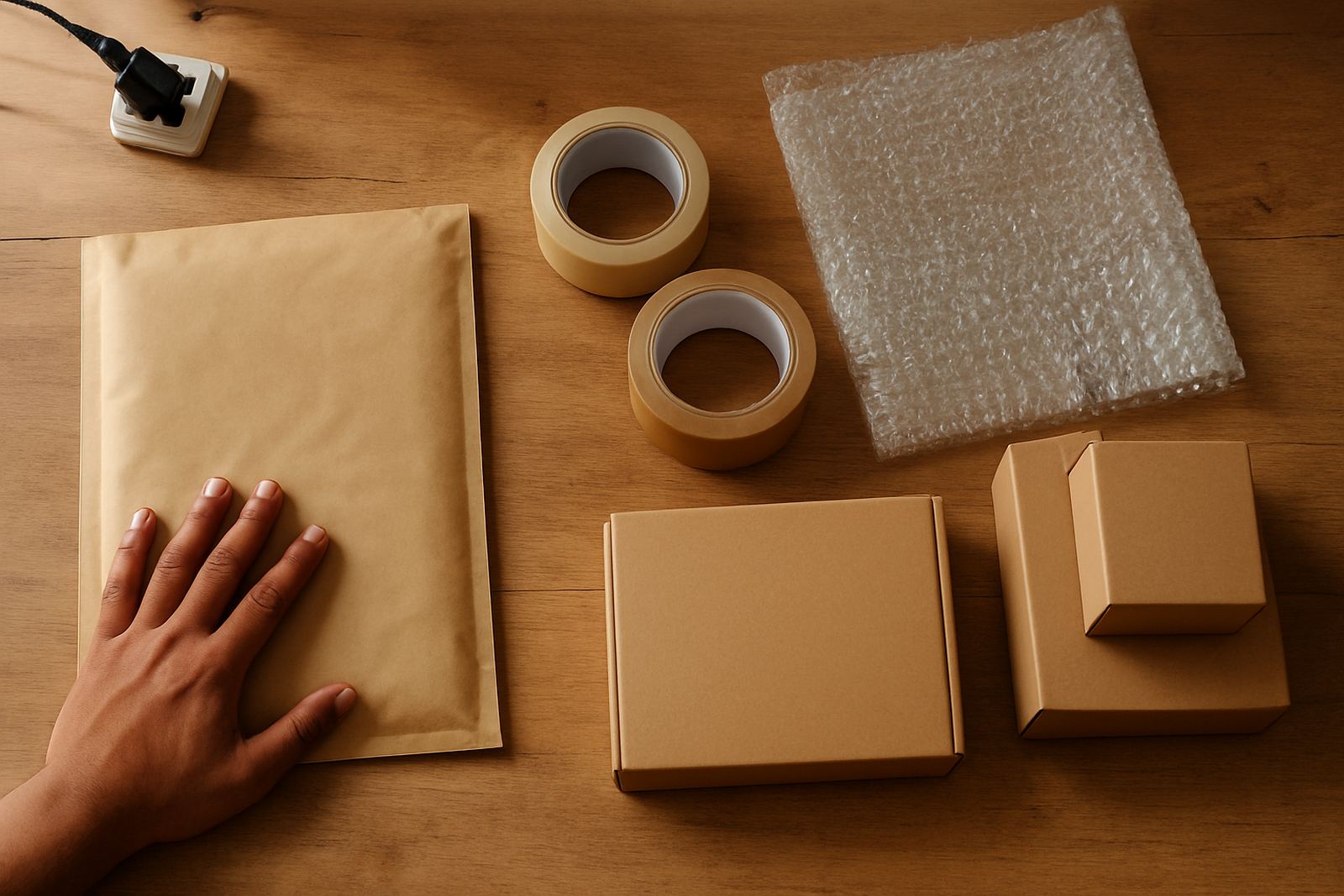
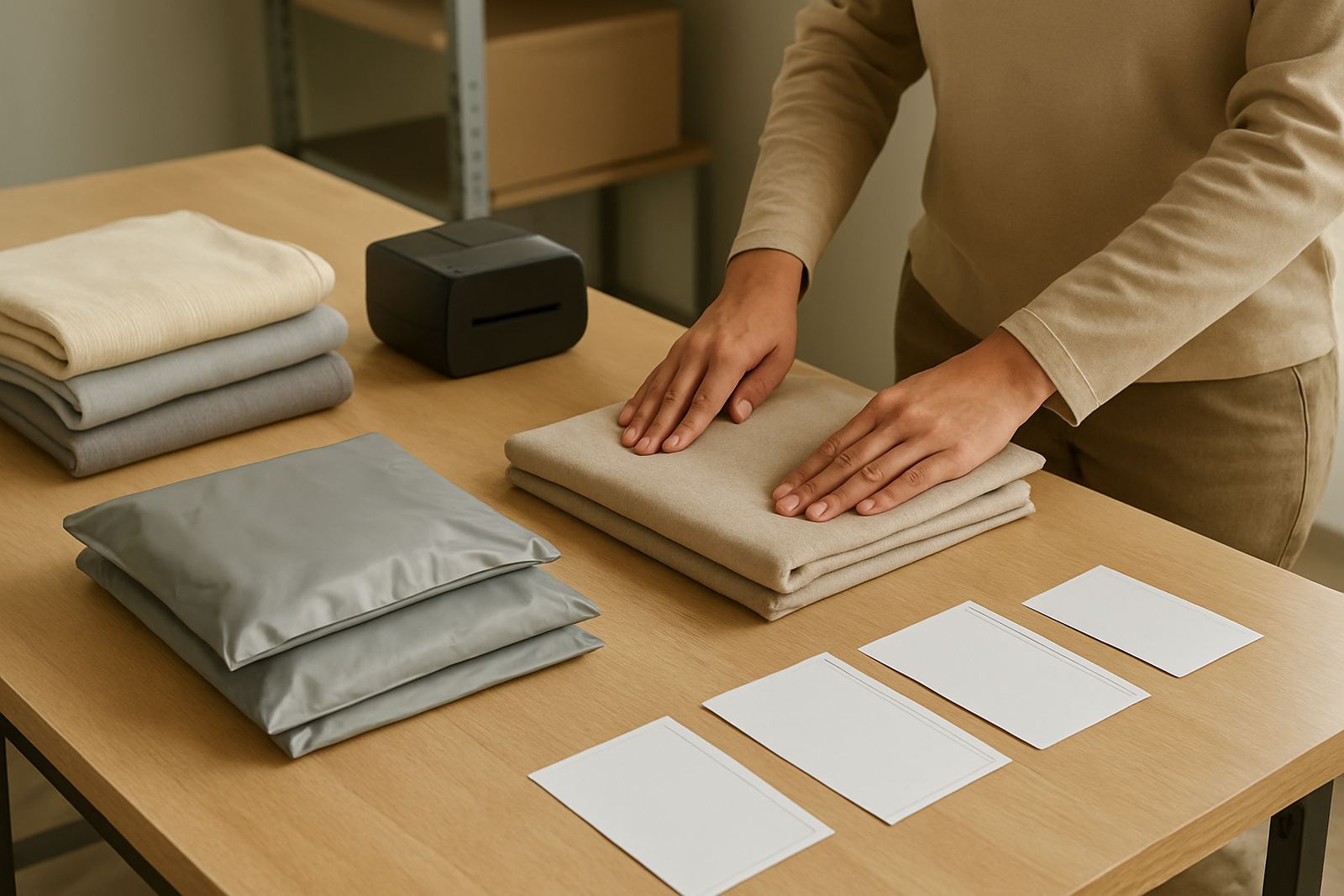
Good packing is not about using the biggest box available. It is about making sure the parcel survives collection, sorting and delivery. For fragile stock, use enough filler so the item does not shift around inside the carton. For clothing or soft goods, keep the parcel neat and sealed so it looks professional on arrival. In humid coastal areas like Durban and Gqeberha, moisture can affect packaging so choose materials that hold up in damp conditions.
Keep a simple packing standard for your team. That means the same tape width, the same label position and the same way of sealing the top and bottom flaps. If you are sending out candles, glass jars or beauty items, add extra protection and mark the parcel clearly. A small shop in Sandton can lose repeat business fast if a good product arrives dented or leaking.
- Choose the right box or mailer for the product weight and size.
- Seal edges properly with strong tape, not a single strip.
- Protect fragile items with inner wrapping and padding.
- Keep labels flat and visible, never over a seam or corner.
3. Weigh, Measure and Price the Parcel Properly
Courier prices usually depend on weight, dimensions, destination and service level. That means a parcel that looks light can still cost more if it is bulky. Measure length, width and height after packing, not before. We see small shops lose money when they guess, then discover the parcel falls into a higher bracket once it is at collection point.
Use a scale that is checked often and keep a tape measure near the packing table. If you send a 1.2 kg parcel from Pretoria to Cape Town but size it incorrectly, the courier choice may not be the cheapest one after all. Accurate dimensions also help with delivery option guidance, since economy and express services suit different order values and customer timelines.
- Weigh the parcel after final sealing.
- Measure the full outer carton, including padding.
- Keep a record of common parcel sizes for repeat products.
- Compare courier options using the same measurements each time.
4. Label Clearly and Keep the Paperwork Together
A parcel needs one clear label and one clear paper trail. Place the label on the top face of the parcel, away from tape joins, and remove old labels if the box has been reused. If the box has a second address label hidden under the tape, sorting delays can happen. That is the kind of mistake that slows down a whole dispatch run.
Keep the invoice, packing slip and any return note together for your records. If you are shipping multiple orders at once, group them by courier and route before collection arrives. In a busy Woodmead base or a small store room in Johannesburg, this simple sorting step cuts confusion at handover time.
- Use one shipping label per parcel and check it twice.
- Cover barcodes with clear tape only if the courier permits it.
- Remove old labels, barcodes and markings from reused cartons.
- Group parcels by service, such as local, national or express.
5. Choose the Delivery Option That Fits the Order
Not every order should go by the fastest service. A small online shop needs a simple rule set. Low-value items may suit economy shipping, while urgent replacements and premium products may need express shipping. If a customer in Durban wants a birthday gift delivered quickly, speed may matter more than cost. If the order is a restock for a reseller in Gqeberha, price can be the bigger factor.
When comparing courier options, look at collection times, delivery zones, weekend service and proof of delivery. Some couriers are better for metro deliveries, others handle out-of-town destinations more comfortably. A practical comparison tool helps you match the order to the right service instead of choosing by guesswork. That matters when your dispatch team is trying to clear the queue before the afternoon collection window closes.
- Use express for urgent, high-value or time-sensitive orders.
- Use economy for standard parcels where timing is flexible.
- Check collection cut-off times before promising same-day dispatch.
- Keep one rule for local, another for national orders.
6. Hand Over Cleanly and Track the Shipment
Once the courier arrives, do a final count and match each parcel to the booking list. Never hand over loose parcels without a record. If a driver collects five parcels, your note should say five parcels, not four and a half pages of assumptions. Ask for a handover confirmation where possible and keep it with your dispatch file.
After collection, send tracking details to the customer and keep an eye on any exceptions. If a parcel stalls at hub scan or shows an address query, deal with it early. Small shops that respond quickly build trust because customers like being kept in the loop. In practice, that means fewer follow-up messages and fewer refunds caused by silence.
A simple daily routine can keep dispatch steady even during power interruptions, busy month-end periods or heavy rain on the route to Pretoria. Pack in batches, book in batches and track in batches. The fewer loose steps you leave lying around, the easier it is to keep orders moving.