Start with the box or mailer that suits the product
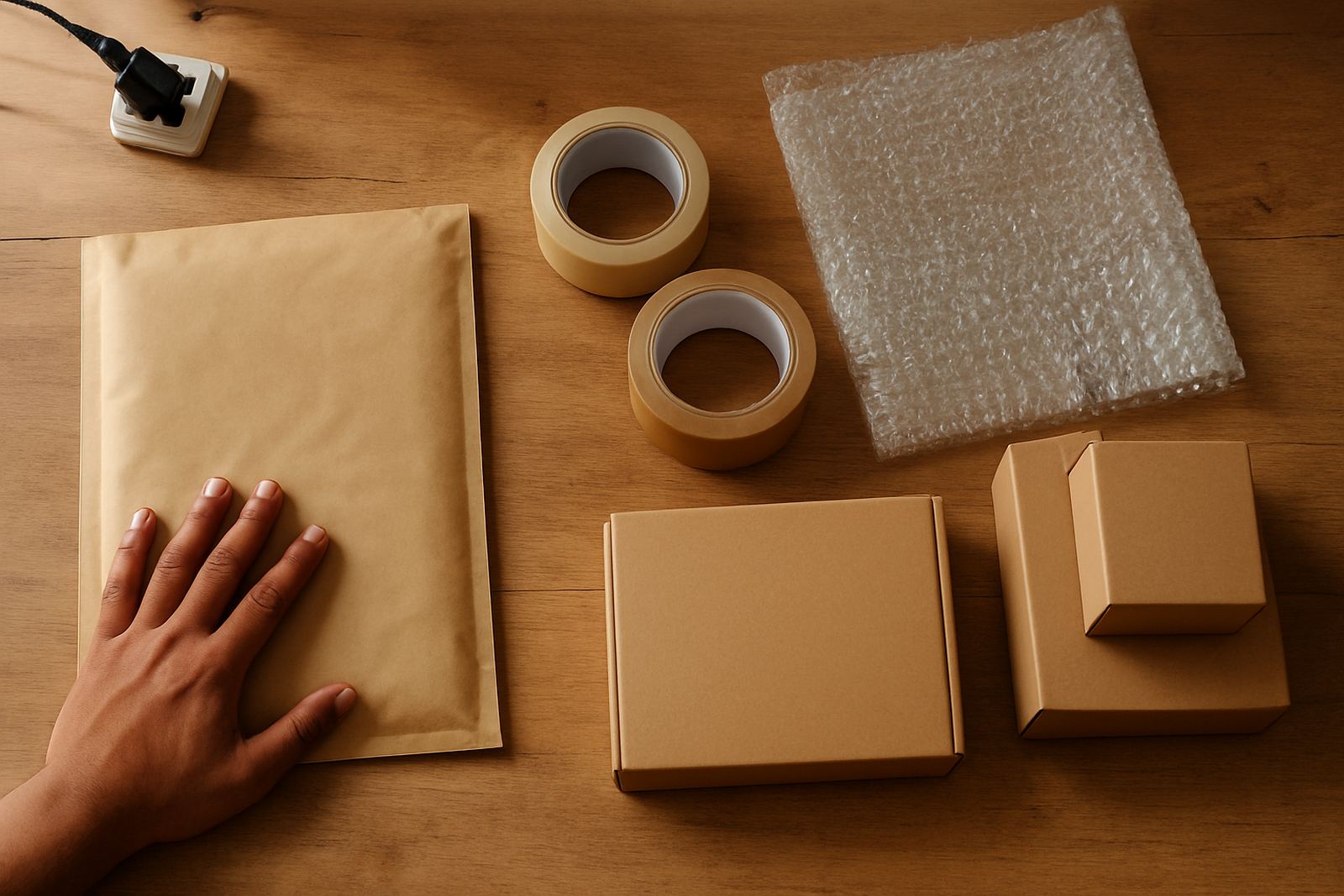
The first packing choice is usually the most important one: will the item travel in a box, a padded mailer, or a plastic satchel? For small clothing orders, books, soft goods and light accessories, a mailer often does the job well. For breakables, jars, electronics parts, candles, or anything with corners, use a sturdy box with enough room for inner protection.
Keep a few standard sizes on hand rather than one oversized option. Oversized packaging wastes space, adds void fill, and can push up courier charges. A shop sending from Woodmead to Cape Town or Gqeberha will often see better value when the parcel fits snugly and stays under a lower mass band. The aim is simple: minimal movement, minimum wasted material, and fewer headaches at sorting hubs.
It also helps to test your most common items in the packging you plan to use. If the parcel rattles when you shake it, it needs a smaller box or more filling.
- Small mailer for clothing, stationery, and accessories
- Medium box for mixed items or boxed products
- Double-wall box for fragile or heavier stock
- Rigid mailer for documents, prints, or flat products
Void fill is not waste when it prevents damage
Void fill is the extra material that keeps goods from moving inside the parcel. Many small shops try to skip it to save money, but damaged stock costs more than a few sheets of packing paper or a handful of air cushions. The right filler depends on what you sell.
For glass bottles, ceramics, and candles, crumpled paper or cushioning wrap works well because it can be shaped around the item. For lighter goods, recycled paper is usually enough. Air cushions suit larger gaps, while shredded paper can be useful for gift packs or cosmetics. In humid coastal areas like Durban or Gqeberha, avoid using materials that lose shape when damp. Keep your filler in a dry cupboard and not on a floor that may pick up moisture during summer.
Good void fill should stop movement without making the parcel too bulky. If the product can slide from side to side, add more. If the box is too stuffed to close properly, step up to a larger carton instead.
- Paper fill for general use and eco-conscious packing
- Bubble wrap for fragile items and corners
- Air pillows for larger empty spaces
- Shredded paper for gift orders and light products
Tape, labels, and a clean seal matter more than people think
A strong box is only as useful as the seal on top of it. Use proper packing tape, not stationery tape or cheap strips that lift in the heat. In load-shedding conditions, many small shops pack by daylight or under backup lighting, and the last thing you need is a carton opening after a long route because the seal was poor.
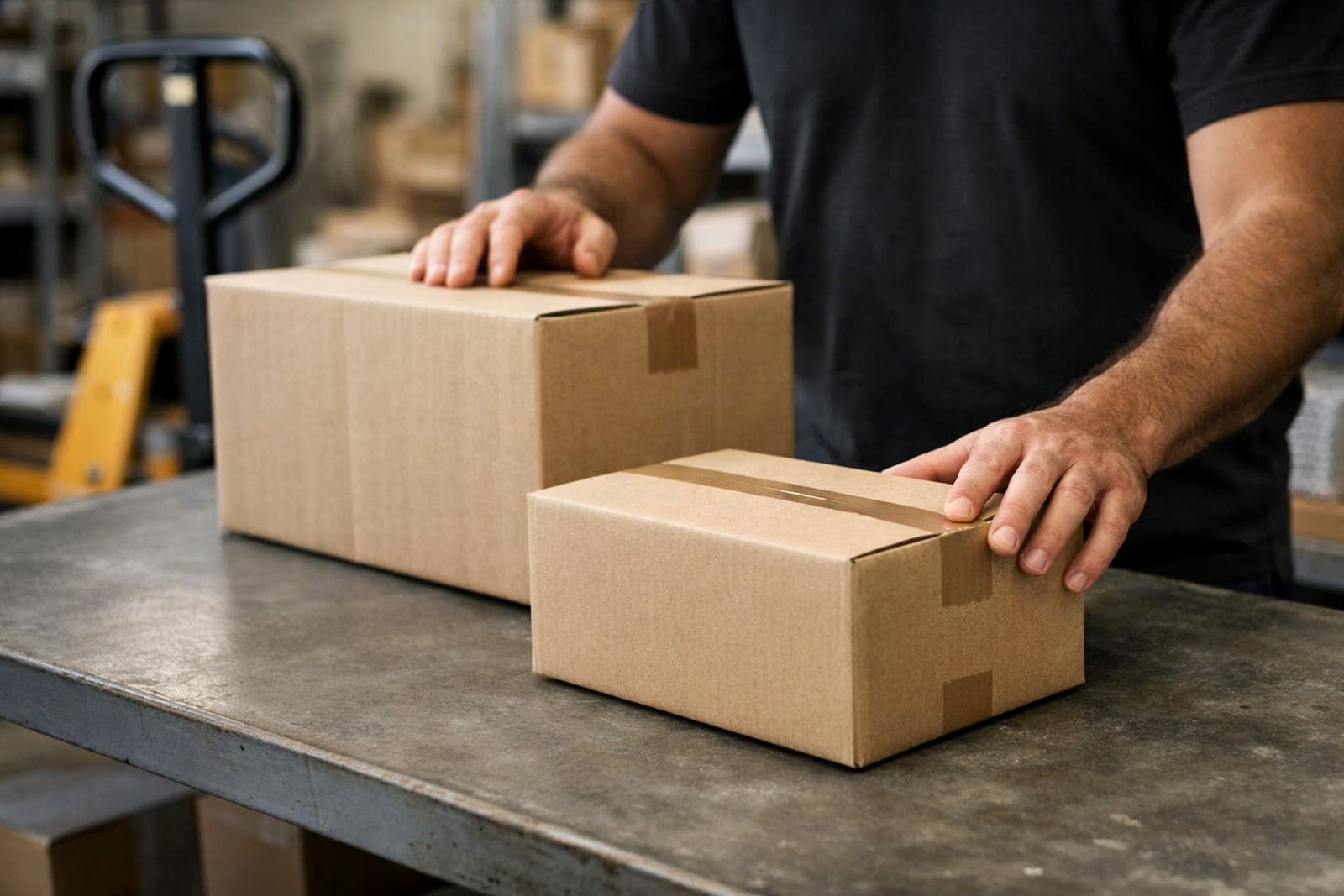
Apply tape across the centre seam and over the side flaps if the parcel is heavy. If you are reusing boxes, remove old labels and barcodes so the courier scans the correct address. Labels should sit flat and be easy to read. A wrinkled label can slow down collection or scan-in at depots.
It is also worth keeping a marker pen and a few spare plastic sleeves nearby. Some parcels need a printed label plus a handwritten reference inside, especially if your team handles several orders at once in Midrand or Sandton and wants a simple cross-check before handover.
- Pressure-sensitive packing tape for carton seals
- Fragile stickers only where needed, not on every parcel
- Clear document sleeves for waybills and inserts
- Permanent marker for backup references and batch notes
Right-sized stock saves money and keeps dispatch tidy
Buying every packaging item in bulk can seem sensible, but the real saving comes from stocking the pieces you use most often. Review your order mix for two or three weeks and list the parcel types you send most. A shop selling beauty items will need different materials from one shipping homeware or apparel. Keep a lean set of supplies, then add specialty items only when the numbers justify it.
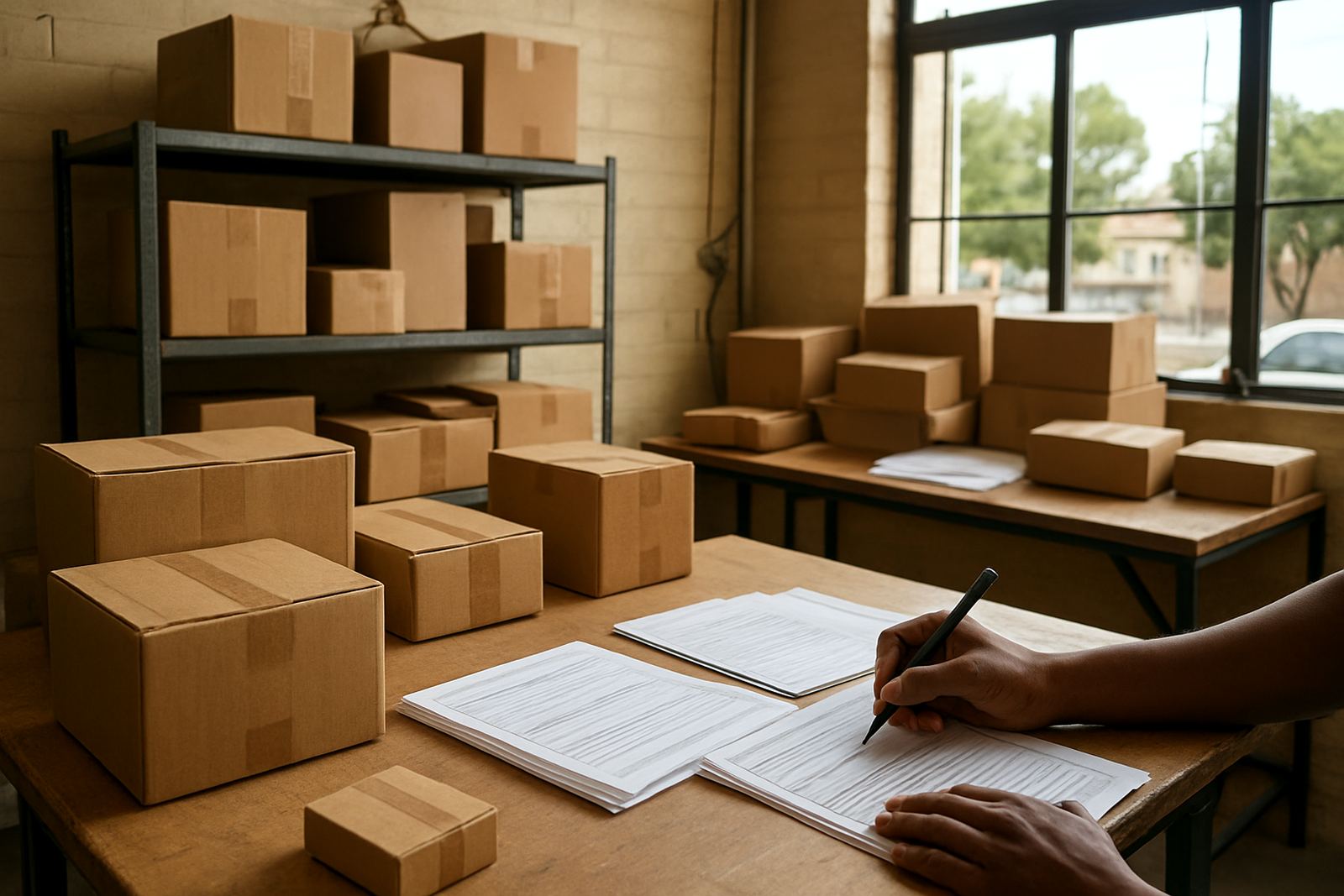
Think in terms of fulfilment flow. Boxes should be stacked by size, labels kept close to the packing surface, and filler stored where the team can reach it without walking across the room. That small bit of order helps when orders spike after a promotion or during month end. It also reduces mistakes when one person is packing while another is dealing with collection times.
A good rule is to keep at least one week of high-use materials on hand, and more if your shop ships nationally from Johannesburg to Pretoria, Cape Town, Durban or further afield. If you run out on a Friday, Monday can become messy very quickly.
- Track the top 5 parcel types you send each month
- Store high-use materials within arm’s reach of the packing table
- Keep backup labels and tape in a separate dry box
- Review stock levels before peak sales periods
Protect against South African conditions in transit
Our local conditions are hard on packaging. Summer heat can weaken adhesive, winter rain can soften outer cartons, and coastal humidity can affect paper-based materials. Parcels may also sit in delivery vehicles, transfer points or depot cages longer than planned, so the outside of the parcel has to do a fair amount of work.
If you ship food items, cosmetics, printed goods, or anything moisture-sensitive, consider an inner liner or sealed pouch before the outer pack. For goods going from Gauteng to the coast, a second layer can make a real difference. This is especially useful for smaller shops that cannot afford to replace stock after every damaged consignment.
Where possible, choose materials that suit the product and the route. A light satchel might be fine for a T-shirt going across town in Johannesburg, but the same item may need a stronger outer layer if it is travelling nationally and being sorted several times. Better packging at the start usually means fewer customer complaints at the end.
- Moisture-resistant inner bags for sensitive items
- Double-wall cartons for longer routes
- Corner protection for framed or boxed products
- Reinforced tape for heavier parcels
A simple packing list helps small shops move faster
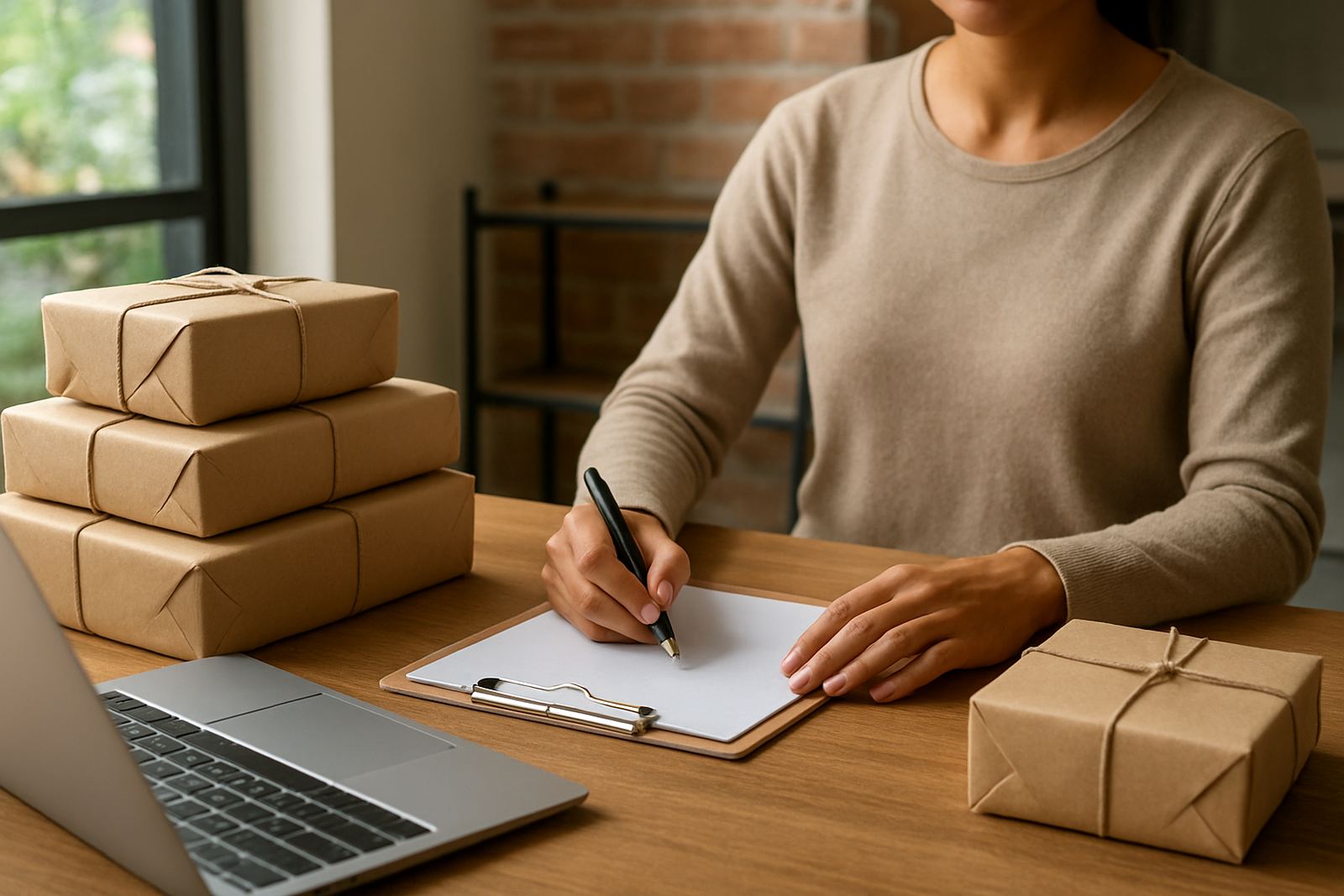
Many small online shops do not need a huge packing room, just a clear routine. A basic packing station with the right materials can speed up dispatch, reduce errors, and make it easier for a staff member to step in when needed. The best setup is one that matches your products and your order volume, not one that looks impressive on paper.
For a local example, a small fashion store in Woodmead sending five to ten parcels a day may only need two mailer sizes, one box size, tape, tissue paper, labels, and a marker. A store sending breakables might need three box sizes plus extra filler and a stronger seal. Either way, the point is to make every order repeatable.
When your packing basics are in order, booking pickups and managing delivery options becomes much easier because you are not scrambling for supplies. The parcel is ready, the label is clear, and the handover to the courier is quicker. That saves time on busy days and helps the shop stay steady as orders grow.
- Two or three standard parcel sizes
- Tape, labels, marker, and one backup sealing tool
- Void fill matched to the products you sell
- Dry storage for materials and printed documents