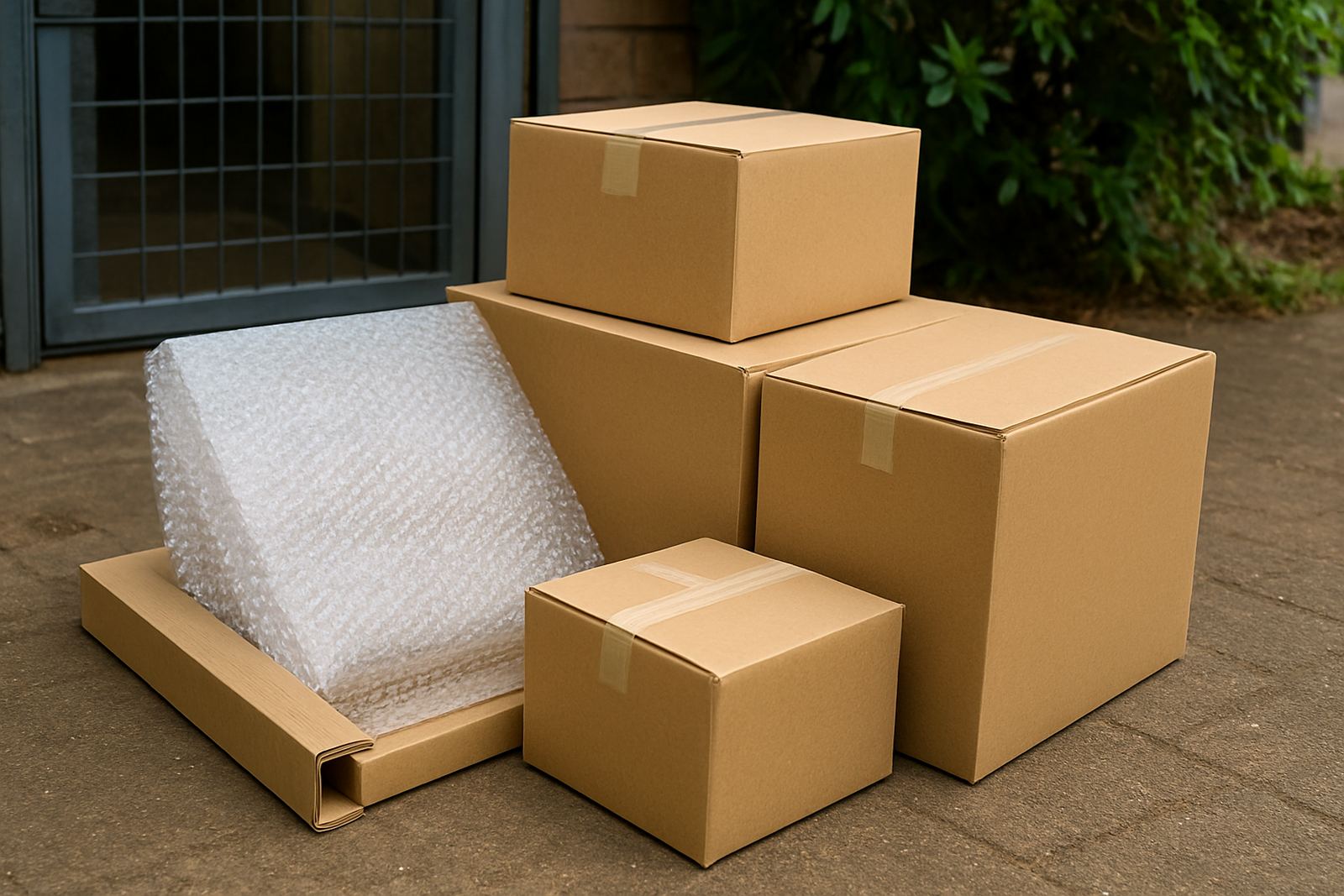
When courier admin starts taking over the day
Many small online shops feel the strain long before they run out of stock. The first sign is usually not late parcels, it is admin. Someone on the team is spending more time copying addresses, comparing quotes, checking collection times and replying to “where is my parcel?” messages than actually packing orders. That is a clear signal your shipping process has outgrown manual handling.
In a Woodmead office or a home-based store in Midrand, this often shows up on busy mornings after overnight orders come in. A few parcels are easy enough, but once the numbers rise, the same steps start repeating all day. One missed collection can throw off the full route, especially when your customer expects a Cape Town delivery in two days or a Johannesburg drop tomorrow.
If your order cut-off time keeps moving later just so the team can catch up, the process needs attention. So does any setup where only one person knows how to book collections or compare delivery options.
The warning signs hiding in your shipping routine
Shipping problems do not always look like problems at first. They can appear as small delays, extra WhatsApp messages or more carton damage because the packing table is too crowded. Once volume rises, these little issues become expensive.
- Bookings are being made at the last minute instead of before packing starts.
- Your team is using different methods for the same order type, which causes confusion.
- Customers are asking for tracking updates that should already be automatic.
- Returns are being handled ad hoc, so stock takes longer to come back in.
- Delivery options are being guessed rather than matched to parcel size, area and urgency.
In South Africa, these signs matter even more because of load-shedding, traffic delays and regional delivery differences. A pickup that works fine in Sandton may not suit a same-day dispatch from Durban. Coastal humidity can also affect packaging if parcels are left near doors or in a warm storeroom for too long. When the basics get messy, the customer experience usually suffers first.
Why comparison matters once orders become regular
When a shop is sending only a handful of parcels, any courier choice may seem good enough. As order numbers grow, price and speed start to matter in different ways for different buyers. A customer in Pretoria may want the cheapest option for a non-urgent item, while a Gqeberha customer may be happy to pay more for faster movement.
This is where comparison becomes part of daily operations, not just a once-off shopping task. If your team can see the available options quickly, they can choose the right service for each order instead of using the same service for everything. That keeps shipping costs more predictable and helps protect margin, which is often tight for small shops.
It also gives better control over customer expectations. If express is only used where it is needed, your delivery promise stays honest and easier to manage. That matters when buyers are comparing your store with bigger online sellers that already have polished logistics.
What a better booking process should actually do
A good shipping process does not need to be complicated. It needs to make the next step obvious. For growing shops, that usually means fewer manual checks, clearer order statuses and less back and forth between packing, collections and customer support.
For a small team in Woodmead or Sandton, the best setup is one that can handle both local delivery booking and national delivery booking without changing the whole routine each time. It should also help with returns collections, because returns increase along with sales and they can clog up your workflow if no one owns them.
- Allow fast comparison of price and delivery time before booking.
- Keep pickup details together so orders do not need retyping.
- Support multiple orders when you process a batch after hours.
- Show tracking progress clearly so fewer customers need to ask.
- Let the team choose economy or express based on each order.
A Johannesburg example: when growth outpaces the shipping table
Take a small online fashion shop in Johannesburg that starts from a spare room and grows into a busy weekly schedule. At first, the owner books one or two parcels after lunch. Then weekend promotions bring in a spike of orders from Johannesburg, Pretoria and Cape Town. Suddenly the parcels are waiting to be booked while the packing table is already full of labels and tape.
By the second month of that growth, the problems are obvious. The team is missing cut-offs, customers are asking for collection updates and a few parcels are going out under the wrong service because the cheapest option was chosen in a rush. Nothing is wrong with the product, but the shipping process is no longer fit for the volume.
That is the point where support for small shop onboarding matters. A practical setup helps the business separate order processing from courier admin, so the team can keep selling without losing control of dispatch. It also helps with local rules and building access, which can be a issue in office parks, estates and mixed-use areas where collections need clear instructions.
How to know it is time to change the process
If your order count is climbing and shipping still feels like a scramble, do not wait for customer complaints to prove the point. Businesses usually need a better courier process once they can no longer manage bookings, tracking and returns inside normal working hours.
The goal is not to make shipping fancy. It is to make it manageable. A small online shop should be able to compare courier options, book pickups, track deliveries and handle returns without building a pile of admin for every sale. When that starts happening, the process has already become part of the bottleneck.
For growing South African shops, the safest move is to tighten the shipping routine before the next sales push. That is when you protect your margin, keep customers informed and avoid the late-night packing panic that comes with a full order queue.