Start With The Route, Not Just The Product
Before you wrap a parcel, think about where it is going. A same-day drop in Johannesburg does not face the same knocks as a long intercity run from Woodmead to Cape Town or Gqeberha. Parcels can be stacked, shifted, scanned more than once, and left in vehicles during traffic or when load-shedding slows depot work. That means your packing needs to suit the route, not only the item.
For fragile goods, add one extra layer of protection if the parcel is likely to move through more than one sorting point. For heavier stock, use a box that can handle the weight without bowing at the sides. If the item is going to a coastal area, especially Durban or Gqeberha, keep moisture in mind and use inner wrapping that can handle humidity. It sounds simple, but it cuts a lot of avoidable damage.
Choose The Right Box Size And Strength
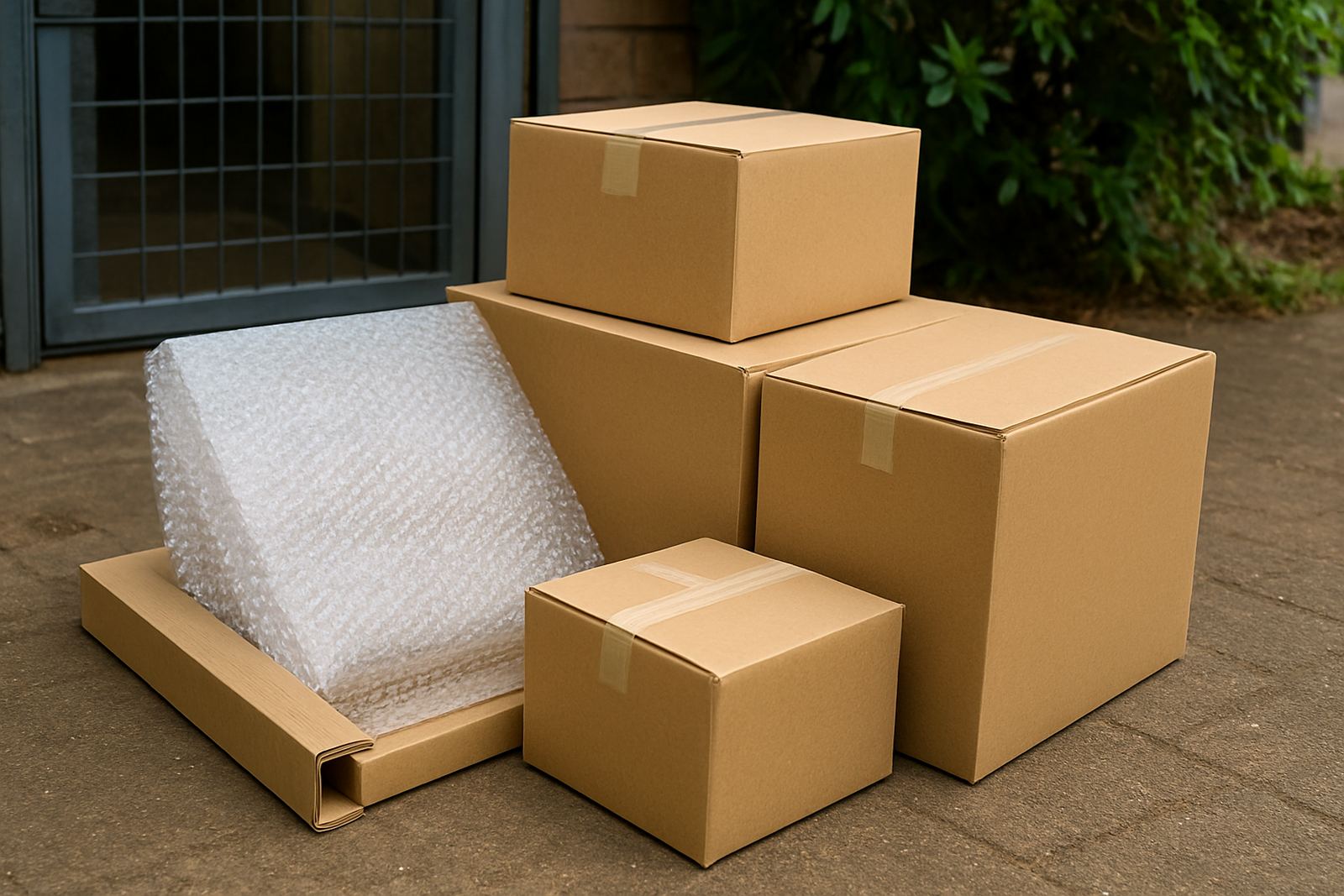
A box that is too large lets the item shift. A box that is too small bulges and splits at the seams. The best option is usually a snug carton with enough room for protective fill on all sides. For most small online shop orders, a corrugated box with at least 5 cm of cushioning around the product works well. If you are sending bottles, ceramics, tech accessories or clothing packs with hard corners, pack each item so it can stand a bit of pressure without crushing.
- Use double-wall cartons for heavier items, mixed orders, or anything over about 8 kg.
- Keep the heaviest item at the bottom so the parcel sits flat in transit.
- Do not reuse boxes that have soft corners, tears or old labels all over them.
- If the parcel can be squeezed by hand, it needs more support inside.
Many small shops try to save on packaging and then lose more through returns, replacements and angry messages. A box that fits properly is cheaper than a damaged order.
Protect Breakables Without Overpacking
Good packing is about control, not stuffing a box full of loose material. Wrap each breakable item separately and stop movement inside the parcel. Bubble wrap, paper padding and folded cardboard all have a place, depending on what you sell. Glass jars, mugs, small decor items and electronics all need a firm buffer between the product and the outer box.
Place fragile items in the middle of the carton, not against the sides. Fill empty spaces so the item cannot rattle when shaken. If you can hear movement, the parcel needs more padding. And if the product has sharp edges, cover them properly first because they can cut through wrapping in a rough hand-off.
- Use corner protection for frames, books with hard covers and boxed products.
- Separate multiple items with cardboard dividers or wrapped layers.
- Keep liquids upright and seal lids before packing.
- For anything breakable, mark the inner pack and not only the outer box.
Seal Parcels So They Hold Through Sorting
South African courier routes can be busy, fast and messy during peak times. A parcel may be loaded, shifted and lifted several times before it reaches the customer. That means tape matters more than many people realise. Use proper packing tape across all main seams, with extra strips on the bottom of the box and along the top opening. Do not rely on a single strip of tape over a box flap.
If the parcel is heavy or awkward, reinforce the corners and base. Stretch wrap can help keep bundles together, especially when sending multiple items in one order. Avoid string, weak masking tape or loose knots that can catch in handling. In our experience, the parcels that hold up best are the ones sealed properly from the start, not patched up at the last minute.
Label Clearly For City And Intercity Runs
Clear labelling speeds things up at pickup and at the sorting point. Use a clean label with the full delivery name, address, suburb and contact details supplied through the booking. Put the main label on the largest flat surface and keep it away from seams or corners. If the box is wrapped in plastic, make sure the label can still be scanned without glare or wrinkles.
It also helps to remove old labels and barcodes from reused boxes. A parcel with two or three visible labels can be scanned wrongly or sent to the wrong place. For orders going between Pretoria, Midrand and Sandton, or down to Cape Town and Durban, that small mistake can turn into a full day delay. Small shops often pack in a hurry, but the label is where many avoidable problems begin.
Pack For Returns, Weather And Load-Shedding Delays
South African delivery conditions can change quickly. Rain, heat, dust and power cuts all affect how parcels are handled. If a pickup is delayed or a depot is busy during load-shedding, the parcel may spend longer in a vehicle or storage area than planned. So pack as if it might wait a bit longer than expected. That means better sealing, moisture protection and enough internal padding to survive a rougher day.
For returns collections, include enough room for the item to be repacked or resealed if needed. If you ship seasonal stock or items with printed packaging, keep the outer box plain and simple so the product stays protected even if the inner pack gets damp. Coastal humidity can be a problem in Durban and Gqeberha, so avoid thin paper wrapping on its own for anything that must arrive looking neat.
- Use water-resistant outer wrapping where the route may face rain or humidity.
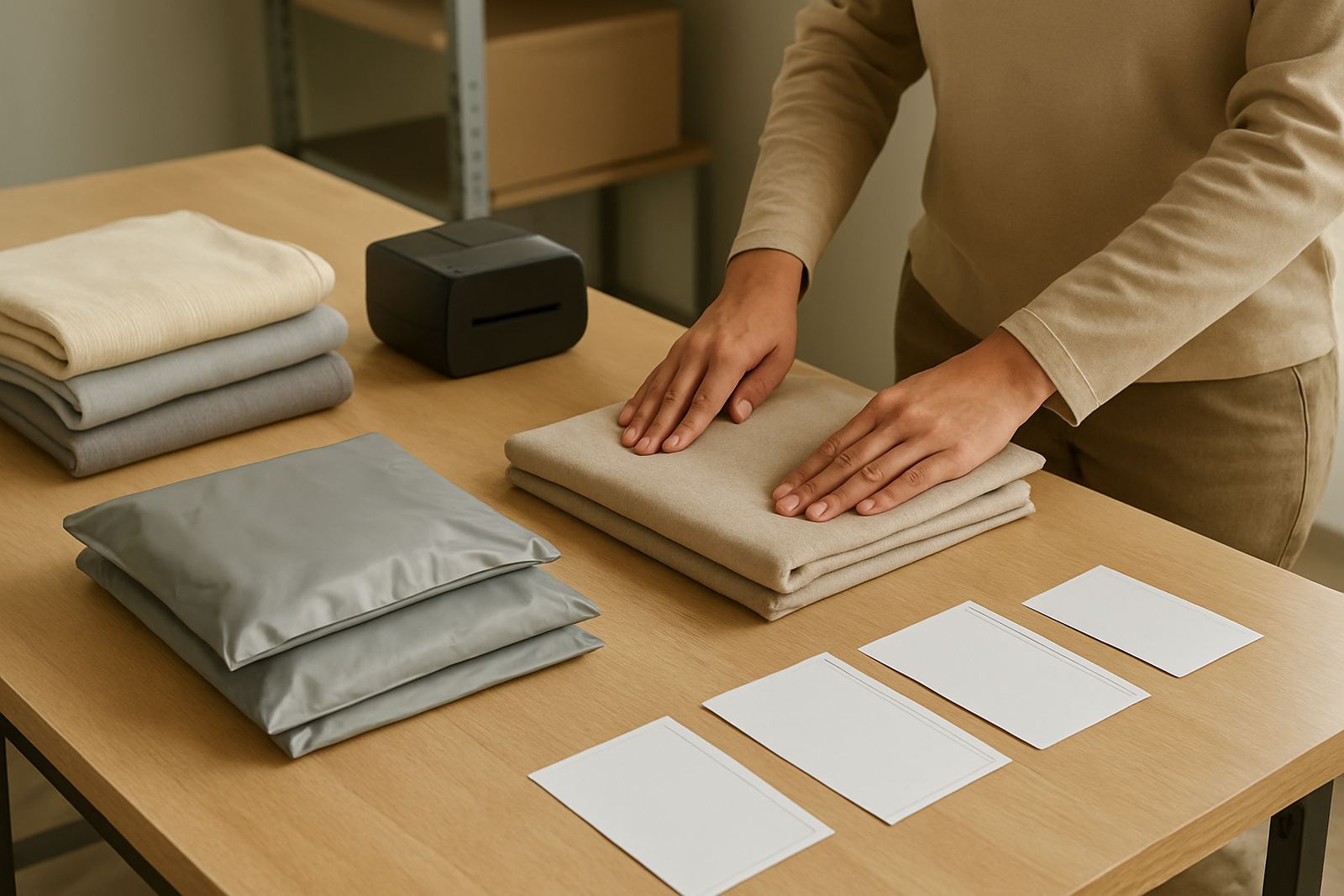
- Keep printed invoices or slips in a sealed sleeve if they must travel inside the parcel.
- For returns, leave a clear space for the item to go back into the box cleanly.
- Always test one packed sample before sending a full batch.
A Practical Example From Woodmead To The Coast
Take a small online shop in Woodmead sending a mix of candles and ceramic mugs to a customer in Cape Town. The candles may look easy to pack, but if they sit loose beside the mugs, one knock can crack the ceramics and dent the wax. A better method is to wrap each mug separately, place the candles in a firm inner carton, then use one outer box with padding between both. The order arrives neater and the customer is less likely to ask for a replacement.
That same order moving to Durban may need a bit more moisture protection because of humidity, while a Pretoria delivery may mainly need strong sealing for faster handling through busy city routes. The principle stays the same: match the packaging to the journey. For small shops, this is where good shipping admin pays off. Better packing means fewer claims, fewer returns and less time spent sorting out problems after the parcel has left your hands.
If you handle courier comparison and pickup booking every day, packing becomes part of the shipping decision, not an afterthought. The best parcel is the one that reaches the customer looking as it did when it left the packing table.