Start with what the parcel actually needs
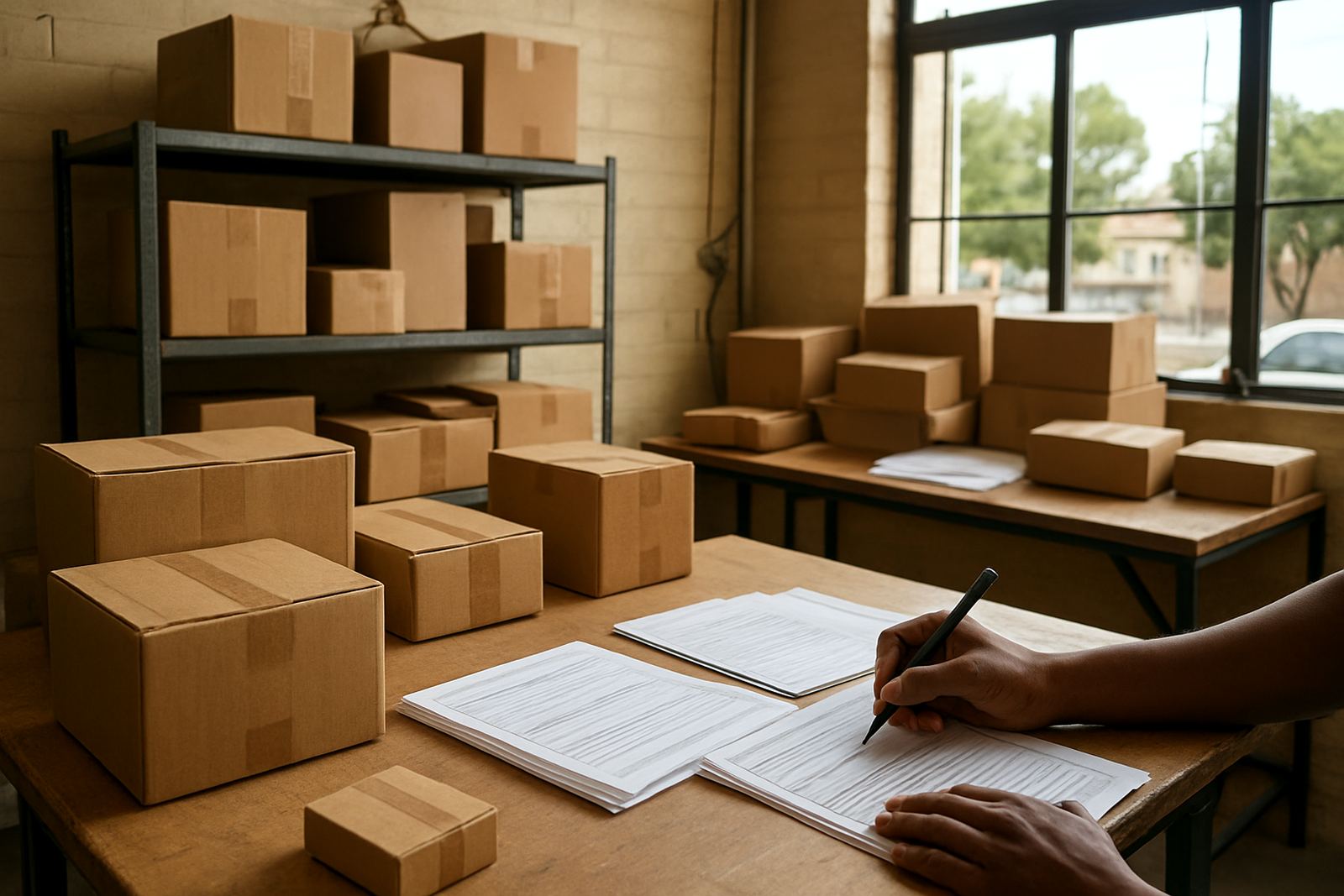
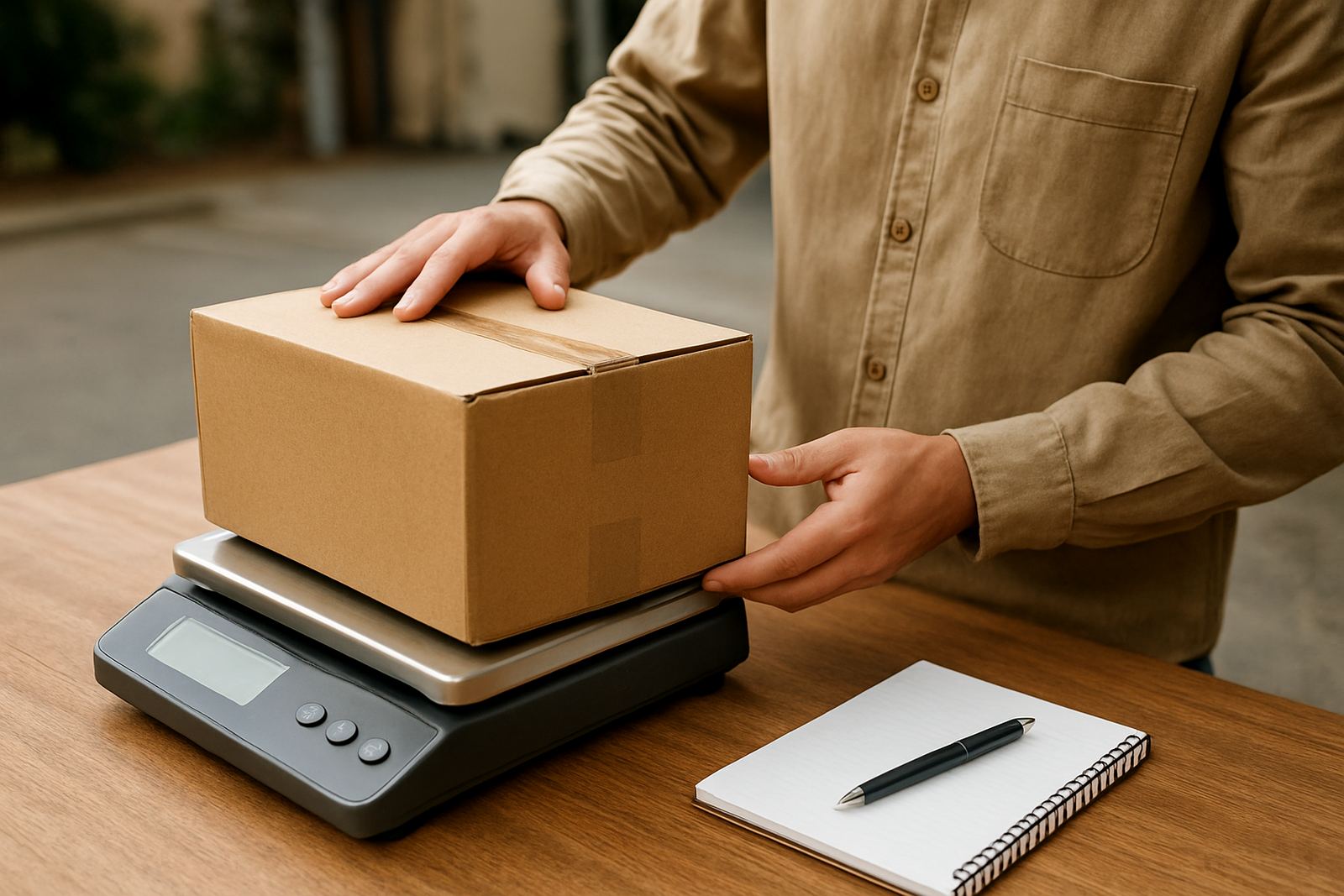
Many small shops lose money by choosing the fastest option for every parcel. A 500 g order of stationery does not need the same treatment as a fragile gift box or a 12 kg bulk order for a repeat customer in another province. Before you book, look at the parcel size, weight, value and how urgently it must arrive.
It also helps to think about the customer. A buyer in Sandton who placed a last minute order for a birthday may want speed above all else. A customer in Gqeberha waiting for a non urgent restock may prefer a lower cost option. The right choice often comes from asking one simple question: what matters most, speed, price or certainty?
Express shipping works when timing is non negotiable
Express shipping is best for orders with a clear deadline. That can include same week gifts, event items, urgent replacement stock or parcels that must move quickly between major centres. The price is higher, but the trade off is faster collection and shorter transit times.
For shops in Johannesburg sending to Pretoria, or from Cape Town to Durban, express can be useful when a customer has already waited too long for standard delivery. It is not the cheapest option, but it can protect your reputation when a parcel has to make a tight window.
- Use express for urgent customer promises
- Use it for time sensitive stock replenishment
- Use it when missed timing would mean a refund or cancellation
Economy shipping suits planned orders and repeat buyers
Economy shipping is often the better choice for orders that are not urgent. It gives small shops a way to keep delivery costs down, especially on lower value baskets where shipping can easily wipe out the margin. If your customer is happy to wait an extra day or two, economy can be the sensible option.
This option works well for clothing, books, home items and other parcels that are not time sensitive. It can also help when you are shipping to more distant areas and want to keep the total charge realistic. The key is to be honest about expected delivery times so the customer knows what to expect.
- Good for regular orders that are not urgent
- Helpful for keeping product pricing competitive
- Useful for customers who value lower delivery fees over speed
Local delivery is different from long distance couriering
Local delivery bookings are usually about short routes, tighter turnarounds and more direct customer contact. A same day drop in Woodmead, Midrand or Sandton is a different job from a parcel going from Johannesburg to Cape Town. Local work can be useful for urgent replacements, samples, gifts and nearby repeat customers.
It can also reduce friction for customer collections and returns where the parcel does not need to travel across the country. In busy metro areas, traffic, peak hour delays and building access rules all matter. A delivery that looks simple on paper can still need careful planning if there is a mall loading bay, estate gate or office park security check.
National routes need a clear plan before collection
When a parcel leaves your province, route planning starts to matter more. National delivery booking is not just about distance. It is about collection cut off times, handover points, service levels and how many times the parcel may be moved before it reaches the receiver.
A shop in Cape Town sending to Pretoria should think about packaging, address accuracy and whether the order can handle a few days in transit. For larger orders, it helps to build in a buffer for delays caused by traffic, sorting volumes, weather or load-shedding related backlogs at depots. Good planning reduces customer complaints and missed handovers.
- Confirm the address and suburb before booking
- Check the collection deadline for the day
- Pack for handling, not just for the shelf
- Allow extra time for regional and long haul routes
Returns collections need the same care as outbound parcels
Returns are easy to underestimate. A collection for a returned item still needs the same address checks, service choice and packaging discipline as a normal delivery. If the item is damaged, the return note and parcel condition matter just as much as the route.
For small shops, a tidy returns process can save time in refunds, exchanges and stock checks. Customers often judge the whole business on how simple the return was. If the collection is arranged quickly and the item is tracked properly, you avoid the usual back and forth that slows down the process.
A simple Johannesburg example shows the difference
Say a small online shop in Woodmead sells handmade candles. A customer in Durban orders a gift set for a weekend birthday. The shop can compare an express option, a standard national option and a lower cost economy choice before booking. If the birthday is in three days, express may be the safe route. If it is next week, standard could be enough and save money.
Now compare that with a nearby order from Sandton for a restock of sample packs. A local delivery booking could be better than a long route service because it is quicker, simpler and easier to manage. The point is not to choose one service for every order. The point is to match the route to the job, so the shop protects margin and keeps the customer informed.
What small shops should check before they book
Once you understand the main delivery options, booking becomes much easier. The best habit is to compare the route, the speed and the total cost before you confirm anything. That way you are not choosing on price alone, and you are less likely to overpay for urgency you do not need.
Before you book, check these basics:
- How urgent is the order really?
- Is the parcel going local or national?
- Is the item fragile, bulky or valuable?
- Will the customer accept a slower option for a lower fee?
- Is the address complete, including suburb, unit and gate details?
For many small shops, the right service is the one that balances cost, timing and reliability. That balance is what keeps shipping manageable when orders come in from Johannesburg, Pretoria, Cape Town, Durban and Gqeberha.