Weight is the first number couriers price against
For most small online shops, parcel weight is the first thing that shifts a delivery from affordable to expensive. Couriers use it to work out handling effort, vehicle space, fuel use and the kind of service needed. A 1 kg parcel and a 12 kg parcel may travel the same route, but they are not priced the same, and they usually should not be treated the same either.
That matters when you are comparing options for collections in Woodmead, deliveries in Sandton, or a national drop from Johannesburg to Cape Town. If you only look at the cheapest headline rate, you can end up choosing a service that looks fine for light parcels but becomes poor value once the order grows heavier.
Weight also affects the timing of a booking. Some couriers work better with light, frequent parcels and others are better suited to bigger or denser boxes. If you ship candles, books, skincare, canned goods or small hardware items, the weight can rise quickly and change the best delivery choice. Even a box that looks small can carry a fair bit of mass, so the scale is not something to guess at.
Actual weight and volumetric weight can give different answers
Many shippers are caught out by the difference between actual weight and volumetric weight. Actual weight is what the parcel weighs on a scale. Volumetric weight is based on the parcel size, because a light but bulky box still takes up space in a vehicle or on a plane. Couriers often charge on whichever number is higher.
That means a box of cushions, packing material or clothing may cost more than you expect even if it feels light enough to lift with one hand. On the other side, a dense parcel of tools or printed stock may be small in size but still price higher because the actual weight is heavy.
- Measure the parcel after packing, not before.
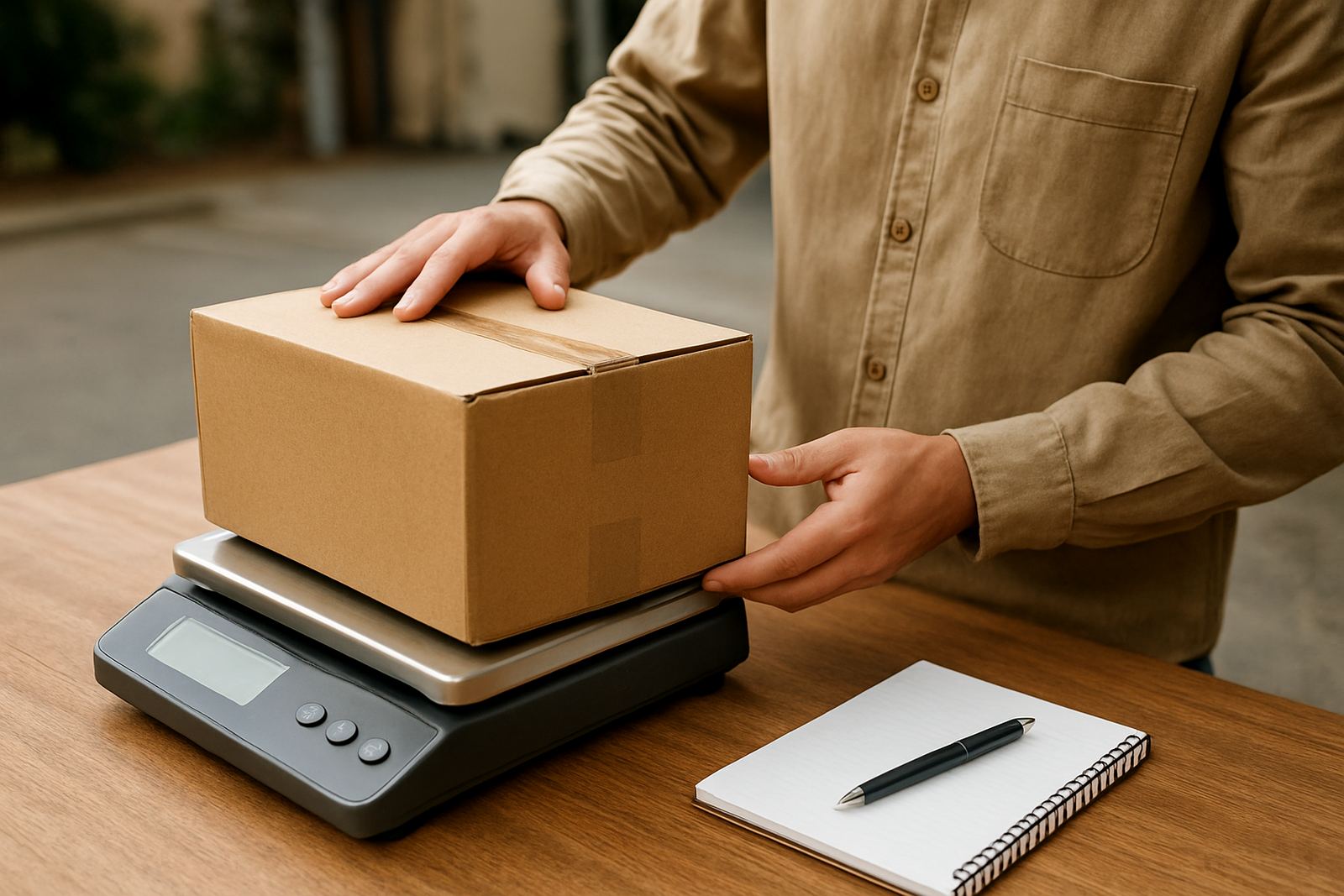
- Use a proper scale, even for small orders.
- Check the box length, width and height once sealed.
- Do not build in extra packaging that adds size without protecting the item.
If you are sending multiple orders each day, these small differences add up. A few centimetres or a few hundred grams can shift the service bracket and change the final rate. That is why good shipping admin is not only about booking quickly, it is also about packing in a repeatable way.
Heavier parcels can narrow your service choices
As parcel weight increases, your delivery options may narrow. An express service may still be available, but the rate can climb fast. Some services are ideal for lightweight eCommerce orders but less useful for heavier boxes or returns that include several items. This is where comparing options before booking saves time and money.
For example, a Pretoria clothing store sending a single shirt set can usually choose from a wide range of services. But once that parcel becomes a larger order with shoes, jackets and gift packaging, the weight can move it into another pricing band. If the parcel is urgent and heavier, the express option may still be right. If it is not time-sensitive, economy shipping can be the better fit.
- Use express for urgent or high-value parcels where speed matters.
- Use economy for non-urgent orders where cost control is more important.
- Check whether returns collections are priced by weight bands.
- Confirm whether the service allows the parcel size and mass you pack most often.
It helps to think of weight as part of the service decision, not just a number for billing. A better match between parcel type and delivery service usually means fewer surprises after booking. The customer gets what they expect and your order margin stays healthier, which is important when you are running a small shop with tight stock and cash flow.
Packing habits can save Rand without cutting corners
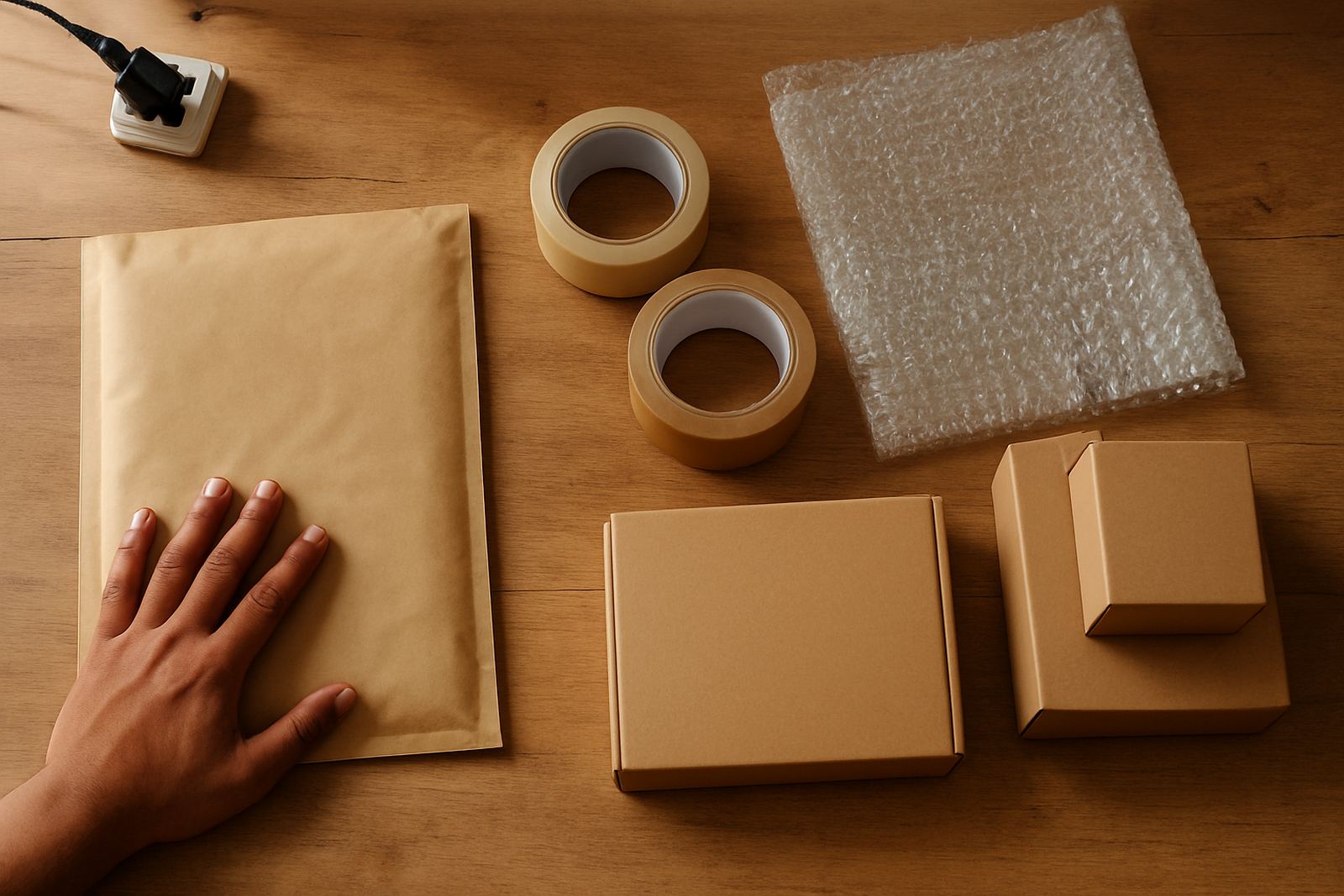
Good packing is one of the easiest ways to manage weight. It is not about stripping out protection, it is about removing waste. Too much filler, oversized boxes and over-taping can all add grams and volume. Over a month, that can become a noticeable cost for a busy seller.
For a shop shipping from Midrand or Johannesburg, the best practice is usually simple: choose the smallest box that safely fits the product, use enough protection to stop movement, and keep each box standard where possible. The more consistent your packaging, the easier it is to compare courier rates and spot patterns in your shipping spend.
It also helps to separate items by weight before the booking stage. A small, heavy item should not be packed with a large light item if that forces the parcel into a more expensive bracket. In some cases, splitting one large order into two parcels can be cheaper, in others it is better to combine. The answer depends on the service and the route, so the numbers need to be checked every time.
That is especially useful when a shop sends a mix of local delivery booking and national delivery booking orders. A same-day local delivery in Sandton has different planning needs from a parcel going to Gqeberha, and the weight can influence both the fee and the collection method.
A local example from Johannesburg to Cape Town
Take a small online shop in Woodmead selling homeware. A customer in Cape Town orders two ceramic mugs and a small candle set. Packed properly, the parcel may weigh around 1.8 kg, but once the box is sealed and measured the volumetric weight might be closer to 2.5 kg. If the courier prices on volumetric weight, the shop needs to budget for the larger figure.
Now compare that with a second order going to Durban, made up of printed notebooks and a light accessory. The actual weight may be lower, the box may be smaller, and the cheaper courier option might still be suitable. Same shop, same day, different parcel weight and different rate. That is the kind of variation that catches people out when they are busy dispatching orders before cut-off time.
Weight also affects planning around collections. If a parcel is heavier than expected, the driver may need different handling or the booking may shift to a service that handles that mass better. On days with load-shedding or a rushed packing schedule, it is easy to underestimate the final packed weight, so checking before pickup is worth the few extra minutes. It can save a failed collection and a second booking fee.
How to keep shipping accurate when orders keep changing
Small shops often sell a wide mix of products, so parcel weight will never stay constant. That is normal. The best way to stay in control is to make weight part of your daily shipping routine, not an afterthought. Once you know your common parcel bands, pricing becomes easier to predict and your courier choices become clearer.
- Record the usual packed weight for your top selling items.
- Check the weight again when a customer adds extras or buys in bulk.
- Keep a simple list of parcels that often fall into higher pricing bands.
- Review returns collections separately, because returned items can be heavier than outbound orders.
For shops that ship often, comparing couriers by weight band is far more useful than comparing a single flat rate. It gives you a better feel for where economy shipping makes sense, where express is justified, and where a local delivery booking is the better option. That is practical planning, not guesswork.
When you understand parcel weight, you are not only saving on delivery. You are also protecting your margins, setting clearer customer expectations and making every booking easier to manage. For a small online shop, that makes a real difference.
Why the right weight check improves the whole order flow
Parcel weight sits at the centre of the courier process. It influences price, service choice, packing, pickup and delivery planning. If you get it right early, the rest of the booking is usually simpler. If you get it wrong, the order can become more expensive or delay collection.
That is why weight should be checked before every booking, especially when orders change size at the last minute. A clear weight check helps you choose the right option for Johannesburg, Pretoria, Cape Town, Durban and Gqeberha without wasting time on avoidable rework.
For small shops, the goal is not to make shipping complicated. It is to make it predictable. Once parcel weight becomes part of the routine, pricing comparisons make more sense and your delivery decisions get easier to explain to customers too.