Build a same day order lane before the rush starts
Same day delivery works best when urgent orders follow a clear path from checkout to collection. If your packing area, stock counts and booking process are all tidy, you can confirm an order in minutes instead of scrambling around for boxes, labels and the last unit on the shelf.
Start by separating fast-moving items from slower stock. Keep the products most likely to sell today within easy reach, and make sure the items are packed in a way that suits courier handling. A small shop in Woodmead or Midrand may only have a few urgent orders a day, but those orders still need the same routine every time.
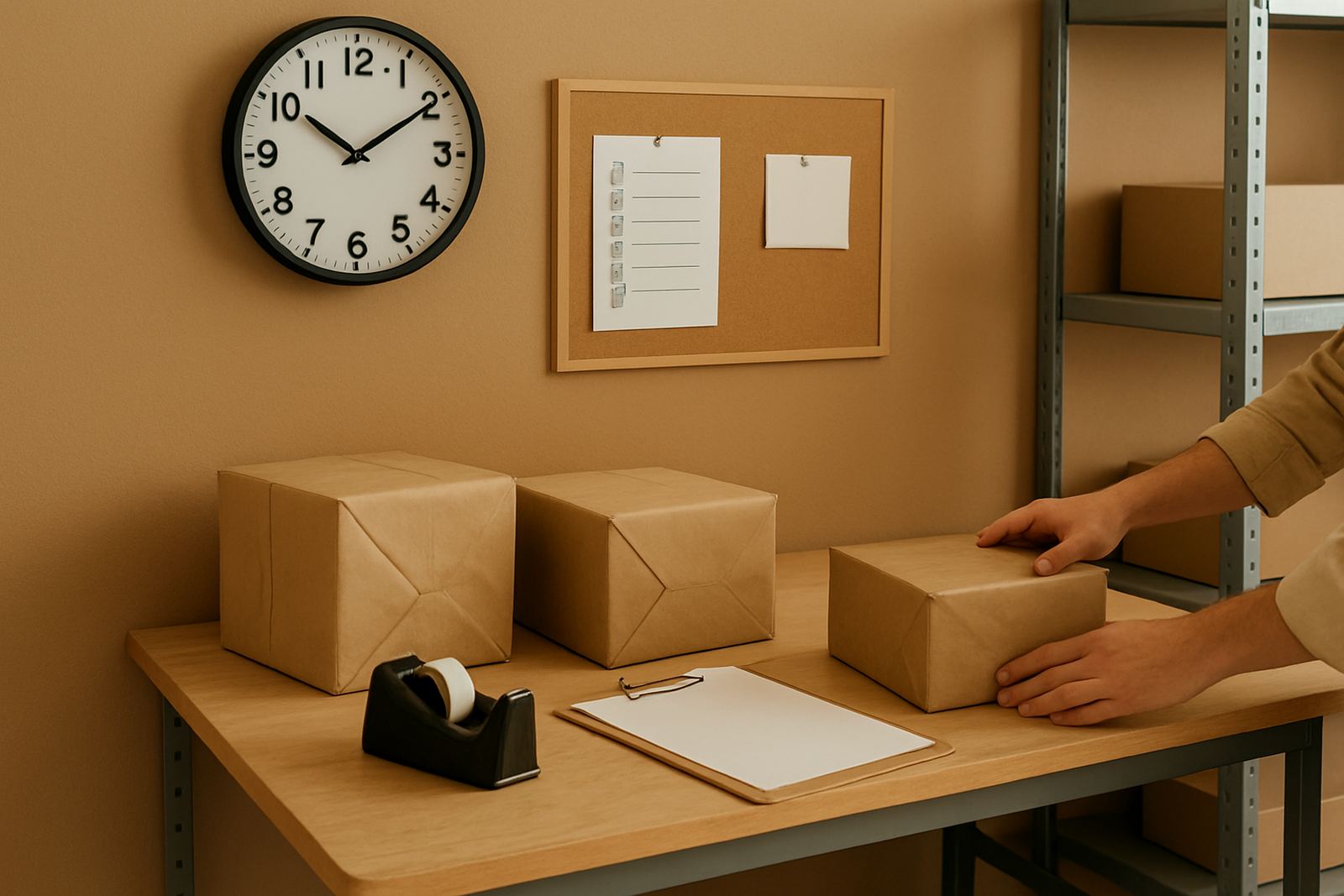
It also helps to set a cut-off time for same day dispatch. If you only accept urgent orders until 11:00, customers know what to expect and your team can plan around traffic, load-shedding and courier collection windows.
Keep stock checks tight enough for urgent promises
The quickest way to upset a customer is to sell an item you cannot find. Same day readiness begins with honest stock control. Update stock counts as soon as an item is sold, moved or set aside for a return. If your shop sells clothing, accessories, homeware or small electronics, build a simple check into the day before lunch and again before closing.
For online sellers using multiple sales channels, one bad count can create a chain reaction. An order comes in, the item is no longer there, then your team must call the customer, adjust the booking and reset expectations. That wastes time you cannot get back.
- Set aside urgent stock in a clearly marked shelf or crate
- Recount top sellers at least once a day
- Remove damaged or incomplete items immediately
- Match your online stock to what is physically available
A little discipline here saves a lot of noise later on, especially when you are busy and the phone keeps ringing.
Pack for speed, not only for protection
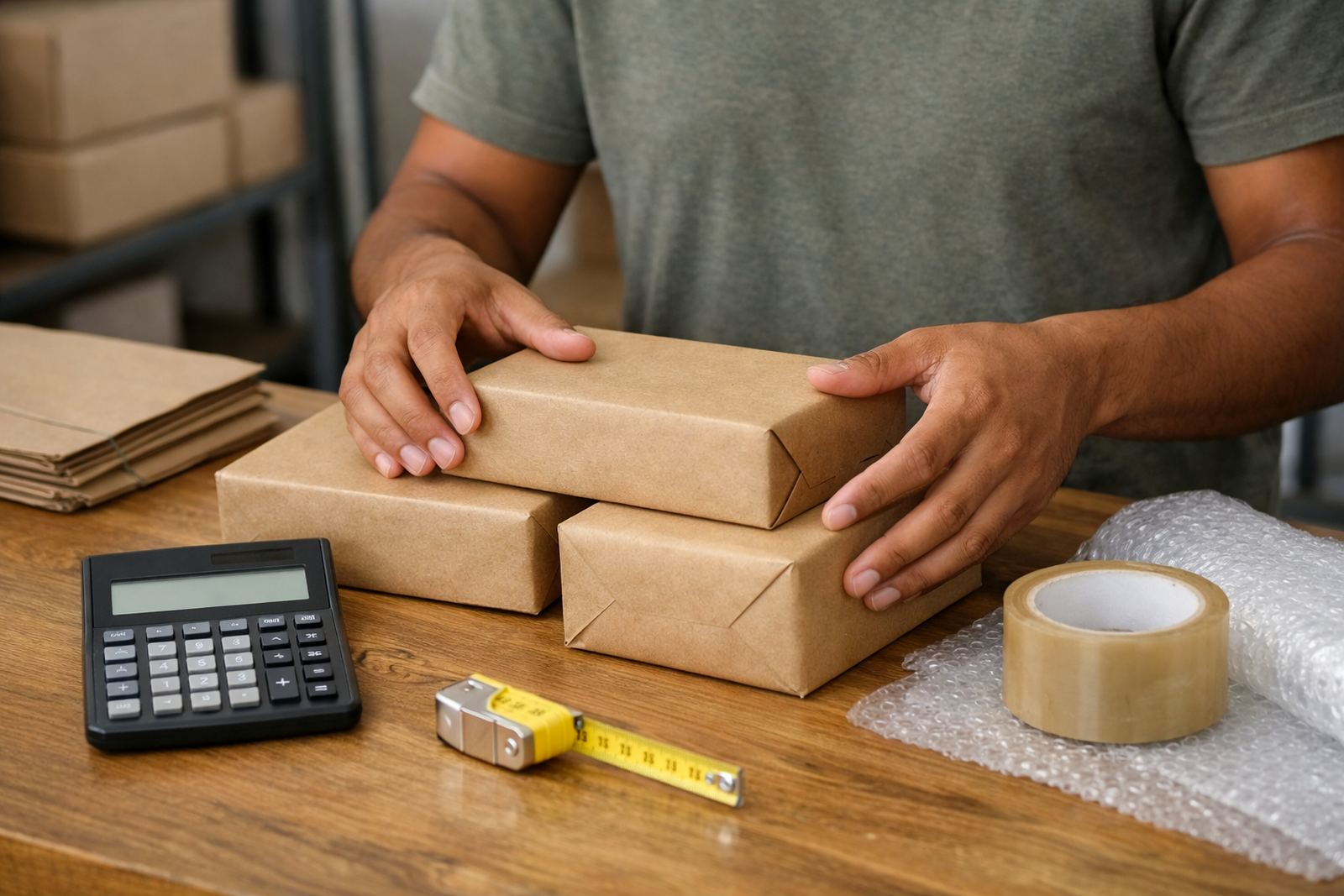
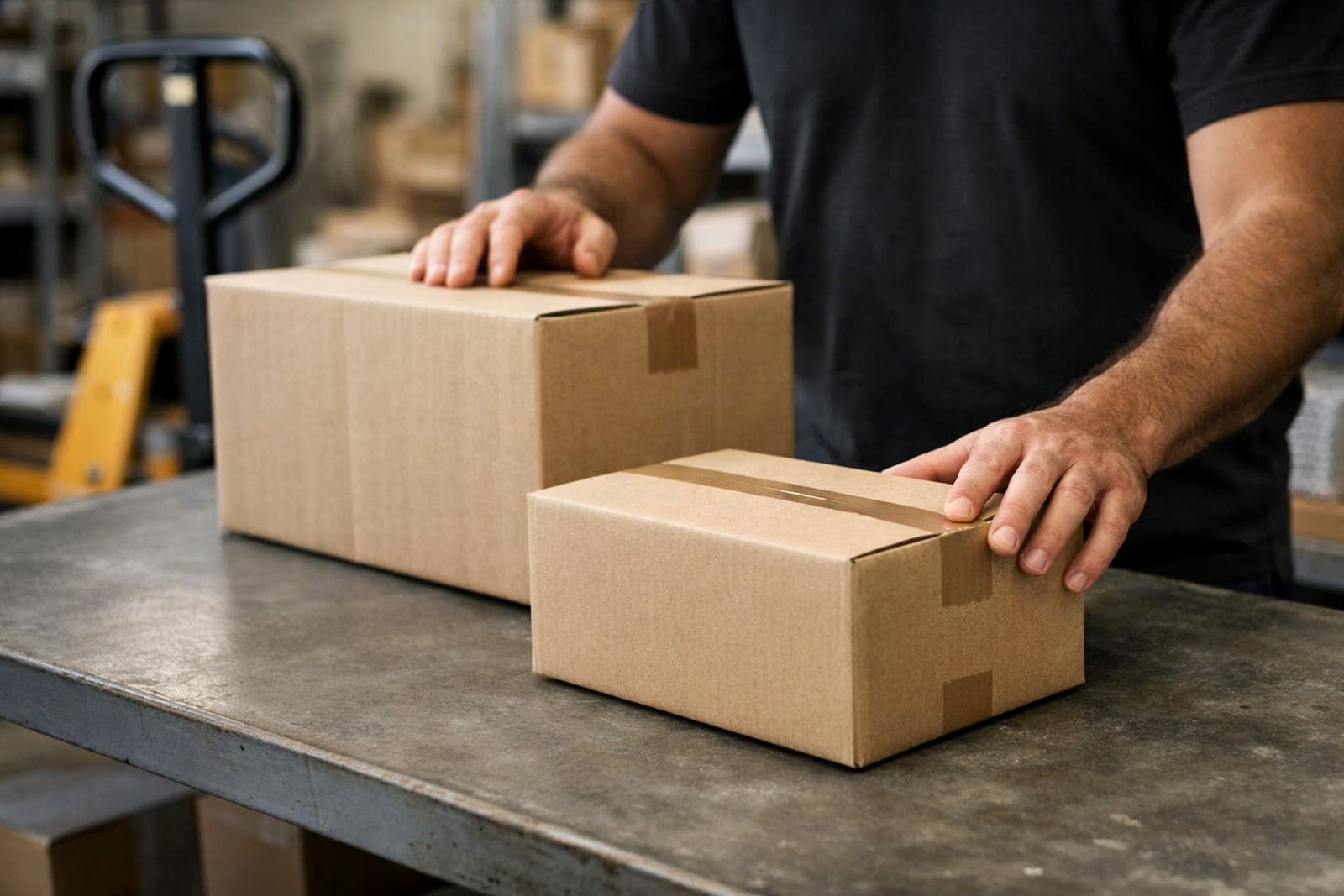
Packing should be quick enough for a same day rush, but strong enough to survive a long route. Use the right box, satchel or padded wrap for the item size, and keep tape, inserts and labels close to hand. If every order needs a different kind of box, your team will slow down before the courier even arrives.
Think about what happens during transport in summer heat, coastal humidity or a rain storm. A parcel heading from Cape Town to Durban may spend time in a warm depot before it reaches the buyer. Products that mark easily, bend or absorb moisture need extra care. That means clean wrapping, firm sealing and no loose gaps in the parcel.
- Pre fold cartons that you use often
- Keep packaging tools in one fixed spot
- Use a standard insert for fragile items
- Print labels only after the order has been checked
When packing is consistent, same day fulfilment feels manageable even on busy weekdays, and not like a last minute scramble.
Know your courier options before the order arrives
Urgent delivery only works when you know which service suits the parcel. A local delivery inside Johannesburg may need a different option from a next day parcel heading to Pretoria, Gqeberha or Durban. For small online shops, the goal is not to memorise every courier rule, but to know which option fits the size, route and urgency of each order.
A courier comparison and booking tool helps you check prices and delivery times without opening several tabs or phoning around. That matters when a customer has already asked, “Can it go today?” If you can compare choices quickly, you can give a proper answer and book the pickup before the window closes.
Keep a simple rule sheet for your team: local same day, local next day, national standard and national express. Once those options are clear, the person packing the order can move straight to booking without guessing.
Make the collection handover clean and quick
Even a fast courier run can stall if the parcel is not ready at handover. The collection point should be easy to access, with parcels labelled and grouped by service type. If you operate from Woodmead or Sandton, factor in building access rules, security checks and peak traffic times along the route.
Before the driver arrives, check these basics:
- Recipient name and address are correct
- Contact number on the parcel matches the booking
- Parcel weight and size are entered properly
- Fragile or handling notes are visible
- Returns parcels are separated from new orders
That last check saves confusion, especially when a customer is sending back an item while another order is going out. Clear handover habits keep the pickup brief and reduce mistakes that cost time later.
Use customer messages to reduce same day confusion
Same day readiness is not only about the parcel, it is also about what the customer knows. If your listing or checkout note says the cut-off time, service area and booking rules clearly, customers are less likely to ask for something you cannot do. That gives your team a better chance of getting the order out on time.
When delays happen, send a short update immediately. A buyer in Pretoria is far more likely to stay calm if they know the order is packed, the courier is booked and the pickup is delayed by traffic or a load-shedding disruption. Silence creates frustration, while a brief message keeps trust intact.
For smaller shops, a good customer message can be the difference between a one-off sale and a repeat buyer. People remember when you are clear and honest, even if the order cannot go exactly as planned.
A Johannesburg example: urgent orders after lunch
Picture a small online shop in Woodmead that sells gift items and stationery. At 13:20, two same day orders come in from Johannesburg and one from Midrand. The owner checks stock first, packs the parcels in pre sized cartons, then uses a courier comparison and booking flow to choose the quickest option for each address. By 14:00, the parcels are ready for collection and the customers have tracking details before the afternoon traffic thickens.
That kind of routine is what same day readiness is really about. It is not about rushing everything. It is about having the right stock, the right packing supplies and the right courier process in place so urgent orders do not throw the whole day off balance. Over time, the process becomes part of normal trading, and your team spends less time reacting and more time selling.
For small South African shops, that is the real gain: less guesswork, fewer failed handovers, and a better chance of getting parcels out the door while the day is still young.