Choose packaging that suits the garment, not the guess
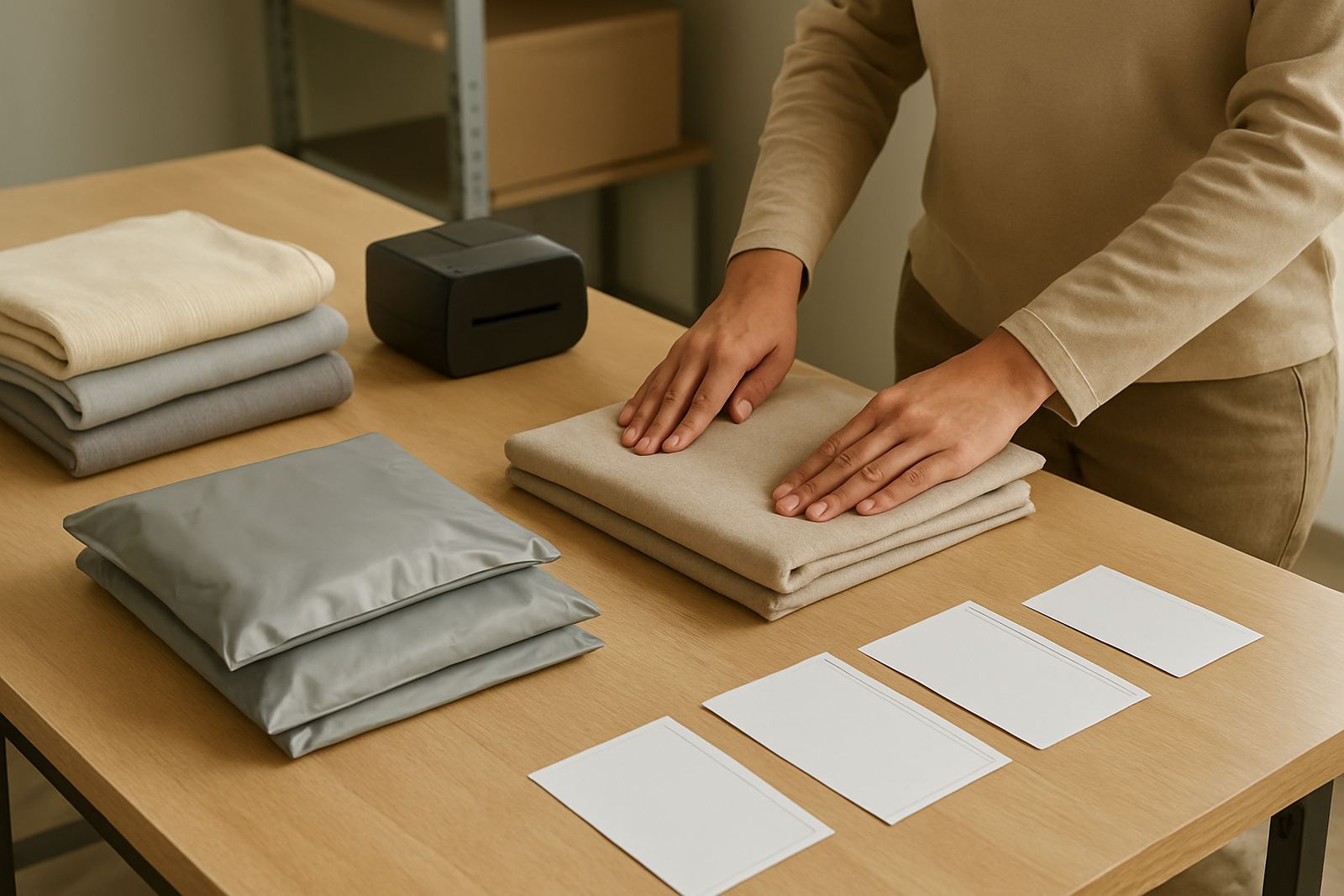
Most apparel orders do well in courier satchels, but the size should match what you are sending. A single T-shirt or lightweight top can go in a slim satchel, while hoodies, jeans and bundled orders need a larger one so the parcel is not stretched or torn in transit.
Keep the packing simple. Fold garments neatly, place them in a clear inner bag if you use one, and remove loose hangers unless the order is going on display at the other end. For branded clothing, a clean outer presentation matters too, because customers notice creases and crushed corners when the parcel arrives at their gate or office security. In hot parts of South Africa, especially when a courier van sits in the sun, good packing also helps protect prints and packaging inserts.
- Use a satchel that leaves a little room, not one that is pulled tight.
- Keep the address label flat and fully visible.
- Seal the parcel well so dust and moisture do not get in.
- If the item is fragile like embellished wear, add a second inner layer.
Price the way your order mix really moves
Clothing sellers often have very different parcel weights in the same week. A single dress is one thing, but a mixed order with leggings, a jacket and accessories may move into a different courier bracket. That is why a comparison tool helps: you can check whether economy or express makes sense for each order before you book pickup.
For small shops, the best approach is to match the courier option to the buying pattern. Local orders in Johannesburg or Pretoria may not need the fastest service every time, while a rush order to Cape Town for an event or a Durban replacement for a missed birthday can justify paying more. The point is to avoid guessing and then eating the cost later.
- Set rules for light, medium and heavy clothing parcels.
- Use express only where the buyer has paid for speed or there is a deadline.
- Check if the courier charges extra for outlying suburbs or after-hours collection.
- Keep a simple record of which service works best for returns, repeat buyers and bigger baskets.
Book pickups around your packing rhythm
Clothing orders usually come in waves, especially after payday, weekend markets or social media campaigns. If you are packing from a home base or a small studio in Woodmead, Midrand or Sandton, do not let parcels sit too long once they are ready. A clear pickup routine reduces delays and helps you hand over the day’s orders in one go.
For many small shops, the practical step is to close packing for the day at a fixed time, then book the pickup straight away. That keeps the front room, spare room or back office from becoming a pile of satchels. It also helps when load-shedding interrupts your afternoon, because you already know which parcels are ready and which still need labels or invoices. A bit of order here saves a lot of stress later.
- Pack and label at the same time so nothing gets left behind.
- Keep a pickup shelf or crate for completed clothing parcels.
- Separate urgent orders from standard ones before booking.
- Have the recipient phone number and suburb confirmed before the driver arrives.
Handle returns without turning them into admin hell
Returns are part of clothing retail, especially when customers are unsure about fit, fabric feel or colour under natural light. A good returns process should be easy to explain and simple to book. If a buyer in Gqeberha sends back a dress because the sizing is off, you want the collection and replacement to move quickly, without three separate messages to sort it out.
Keep your returns policy plain. Say what can be returned, within how many days, and what condition the item must be in. Then make sure your courier process can match that policy. Returns collections should not rely on the customer figuring out the courier side for themselves. If they can book, hand over and track it cleanly, they are more likely to buy again.
- State whether tags must still be attached.
- Explain who pays for the return in each case.
- Check garments for wear, smell or missing parts before restocking.
- Use tracking support so the customer knows when the parcel is collected and when it lands back with you.
Repeat buyers expect faster treatment the second time
When someone orders from you once and comes back, they are not just buying clothing they are buying convenience. Repeat buyers notice if you ship quickly, package neatly and keep them informed. If you run a small online shop, that is where delivery option guidance matters as much as the product itself.
You do not need to promise the same courier service for every order. What you need is a fair and clear choice. A customer who wants a budget-friendly delivery can take that route, while another who wants a quick handover before a wedding can select express. For many shops, this mix is what keeps margins healthy and customers happy. It also reduces the number of messages asking when a parcel will arrive.
Good shipping admin support makes the repeat order feel easy. The customer should not have to chase you for updates every time, and you should not have to rebuild the same booking details from scratch. One clean system, one clear process, less faffing about.
A Johannesburg clothing seller example that gets the timing right
Picture a small clothing label in Woodmead sending out workwear tops, weekend dresses and a few exchange parcels each week. Monday might bring local Johannesburg orders, Tuesday the Pretoria batch, and by Wednesday there are two deliveries heading to Cape Town and Durban. If the shop waits until the end of the week, the pile grows and the parcels start mixing together. That is when mistakes happen.
A better setup is to separate the orders by destination as they are packed, then compare delivery options before booking pickup. Local parcels can go out with standard delivery, while time-sensitive clothing orders can move by express. Returns can be grouped on a different day so they do not interrupt new stock dispatch. For a small team, that sort of rhythm keeps the work manageable and helps avoid late handovers when the roads are busy or the power cuts have shifted the day around.
South African clothing sellers need a courier process that fits real trading conditions, not just theory. When you work with the right satchel sizes, a tidy pickup schedule and a sensible returns flow, the shipping side stops being a headache and starts supporting the sale.