Start with a clean collection area
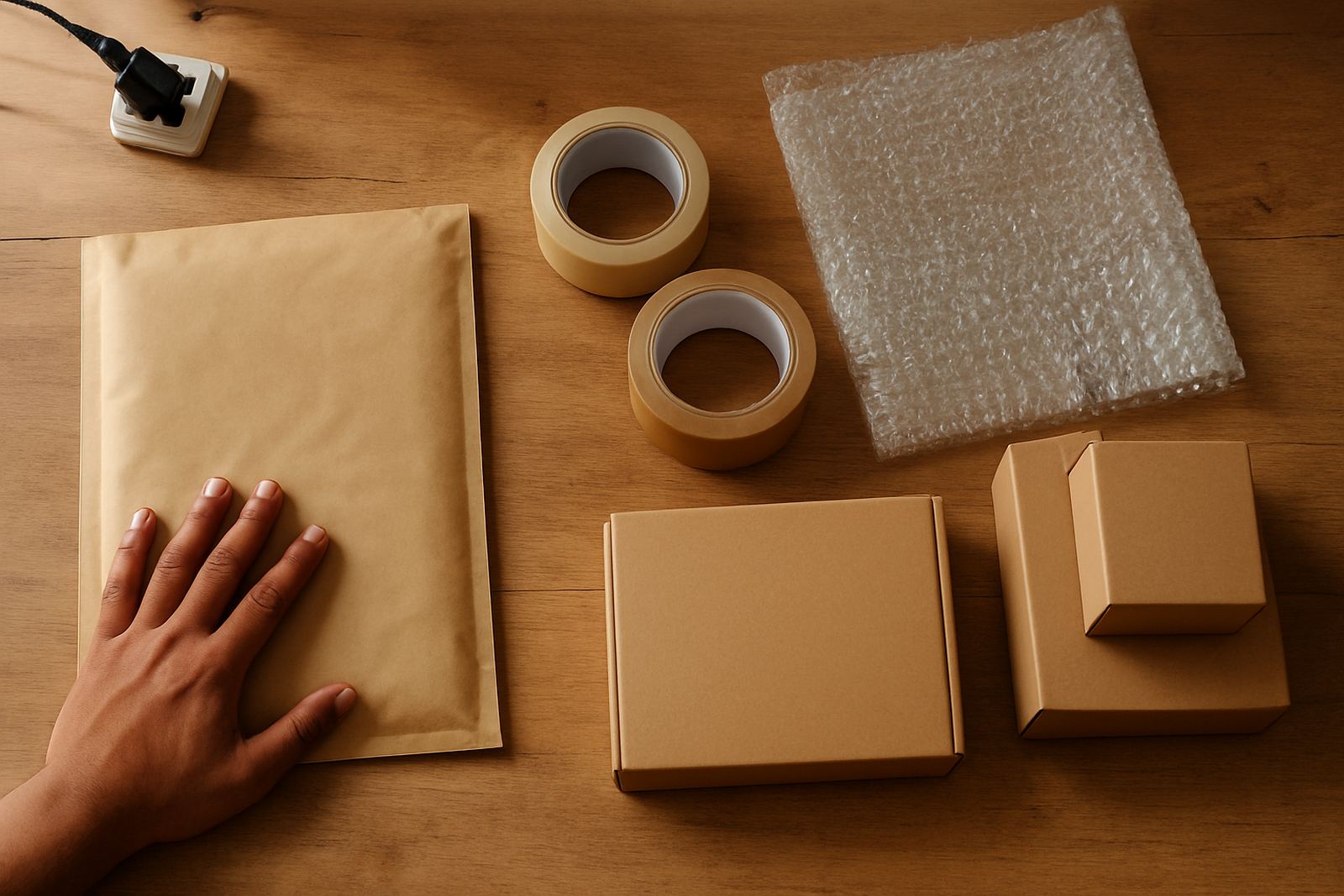
Before the courier gets to your premises, clear a space where parcels can be counted, checked and handed over without delay. Even a small packing table in Woodmead or a back room in Midrand works well if it is organised. Keep the day’s parcels together, separate from stock that still needs attention, and make sure the route from the packing area to the gate or loading point is open.
If you work from home or from a shared unit, tell staff or household members when collection is due. The driver should not need to wait while you search for parcels, tape or a signature book. In busy areas like Sandton or Cape Town’s city fringe, a 10 minute delay can turn into a missed stop if the courier is on a tight run.
Pack for handling, not just for looks
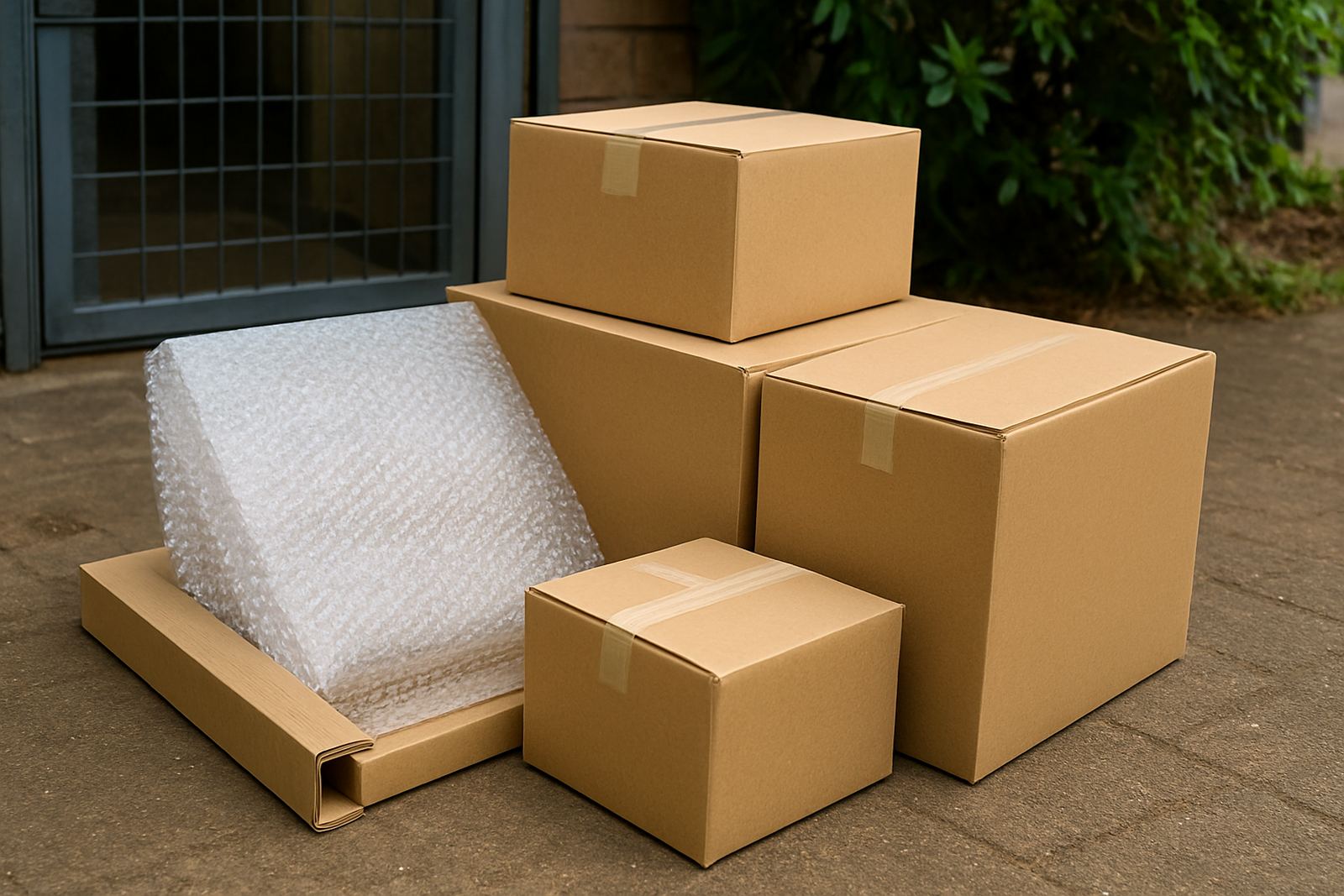
Good packing starts with the item itself. Use a strong outer carton, padded envelope or satchel that suits the product size and weight. Empty space inside the parcel should be filled so the contents do not move around during sorting, loading and final delivery. For fragile goods, double wrap where needed and check corners, lids and edges before sealing.
Seal every opening properly with packing tape and check that no old labels are visible. During hot weather, glue and sticker edges can lift, and in coastal areas like Gqeberha or Durban moisture can soften weak packaging faster than people expect. If your business is affected by load-shedding, pack by daylight where possible so you can spot damage, uneven seals and faded print clearly.
- Use the right carton size for the item
- Remove old barcodes and return labels
- Keep glass, cosmetics and liquids upright
- Reinforce corners and seams on heavier parcels
Get labels, names and addresses right the first time
A parcel can be packed well and still fail to move if the label is wrong or unreadable. Check that each parcel shows the correct recipient name, suburb, postal code and contact number where required. For online orders, match the parcel to the order record before the driver arrives. One swapped label can cause a return, a delay, or a very unhappy customer.
Print labels clearly and place them on a flat surface, not over a seam or taped edge. If you use handwritten notes as backup, write in block letters and keep the writing dark and neat. For shops sending out several orders in one go, it helps to sort parcels by area or service level before pickup so the handover is quicker and less error prone.
- Confirm the delivery suburb and postal code
- Check the recipient phone number is current
- Make sure the barcode is not folded or covered
- Separate new orders from returns collections
Prepare the paperwork and booking details
Couriers move faster when the paperwork is ready before the van rolls in. Keep your booking details nearby, together with any notes on service type, parcel count and special handling requirements. If you have booked economy shipping for one order and express shipping for another, make sure the parcels are marked clearly so the wrong service is not assigned by mistake.
For small online shops, it also helps to keep a simple manifest. That can be a printed page or a digital list with the order number, parcel count and destination. If the driver asks for a count, you should be able to confirm it in seconds. This is especially useful for multi order days after a promotion, payday rush or weekend sale. It saves time and reduce confusion.
Think about access, parking and handover timing
Couriers do not always have time to hunt for parking or call twice from the gate. Make access simple. If your address is in a complex, office park or industrial node, send the gate instructions through the booking notes and keep security aware that a collection is expected. If your premises are in Pretoria, Durban or Gqeberha, plan around peak traffic and building access rules so the driver is not stuck waiting outside.
If your collection point is upstairs or behind security, bring the parcels closer to the exit before the driver arrives. A clean handover matters. Count the parcels, confirm the booking and hand over in one go. When the collection is quick, it keeps the route on schedule and helps avoid missed same day windows or cut-off time issues.
- Share gate or access notes in advance
- Confirm where the driver should park
- Keep security informed if needed
- Move parcels to the handover point before arrival
Do a final check against mistakes and damage
Right before collection, walk through the parcels once more. Look for loose tape, crushed corners, wet patches and labels that have peeled up. Check that each box is the right size for the contents and that nothing is left behind on the packing bench. If there is a problem, fix it before the courier takes the parcel. Once it leaves your hands, the cleanest time to sort out an error has already passed.
A final check is also the time to confirm count. If you booked six parcels, hand over six parcels, not five and a promise that one will follow later. This matters for reconciliation, tracking support and customer updates. It also gives your shop a proper rhythm, which is important when orders are coming in daily and you cannot afford rework.
For example, a small homeware seller in Woodmead sending orders to Johannesburg, Cape Town and Durban might pack the parcels the evening before, print labels early the next morning, then line everything up by destination. By the time the driver arrives, the handover takes less than five minutes. That kind of prep keeps the rest of the day moving and leaves more time for stock, customer replies and the next batch of orders.
Build a repeatable pickup routine
The best pickup day prep is the routine you can repeat without thinking. If you do the same checks every time, your team makes fewer mistakes and customers get a more reliable service. Start with packing, then labels, then booking details, then access and finally the parcel count. Keep it simple, write it down and use the same sequence every collection day.
Over time, this habit also shows you where delays come from. Maybe your labels print too late. Maybe the parcels are packed in two separate rooms. Maybe collections keep getting delayed because the gate code changes and no one updates the booking notes. Fixing these small issues makes a real difference, especially for small shops that need every order to go out cleanly.
When pickup day is prepared properly, your courier does not have to guess, wait or come back later. Your parcels leave on time, your customers get better updates, and your business spends less time chasing preventable problems.