Why tracking matters after checkout
For a small online shop, the sale is not finished when the payment clears. The real service starts once the parcel is collected and the customer wants to know if it is moving on time. Tracking visibility helps you answer that question fast, without checking with the courier team every few hours.
When buyers can see progress, they are less likely to panic, cancel orders, or send repeated messages. That matters in South Africa where traffic, weather, load-shedding at depots and road delays can all affect timing. A simple status update can stop a lot of stress before it starts.
- It reduces WISMO queries, the kind that ask where the parcel is.
- It helps customers plan for work, school runs and delivery windows.
- It gives your shop proof when a parcel is delayed or rerouted.
- It shows buyers that your business is organised and paying attention.
What customers expect from a small shop
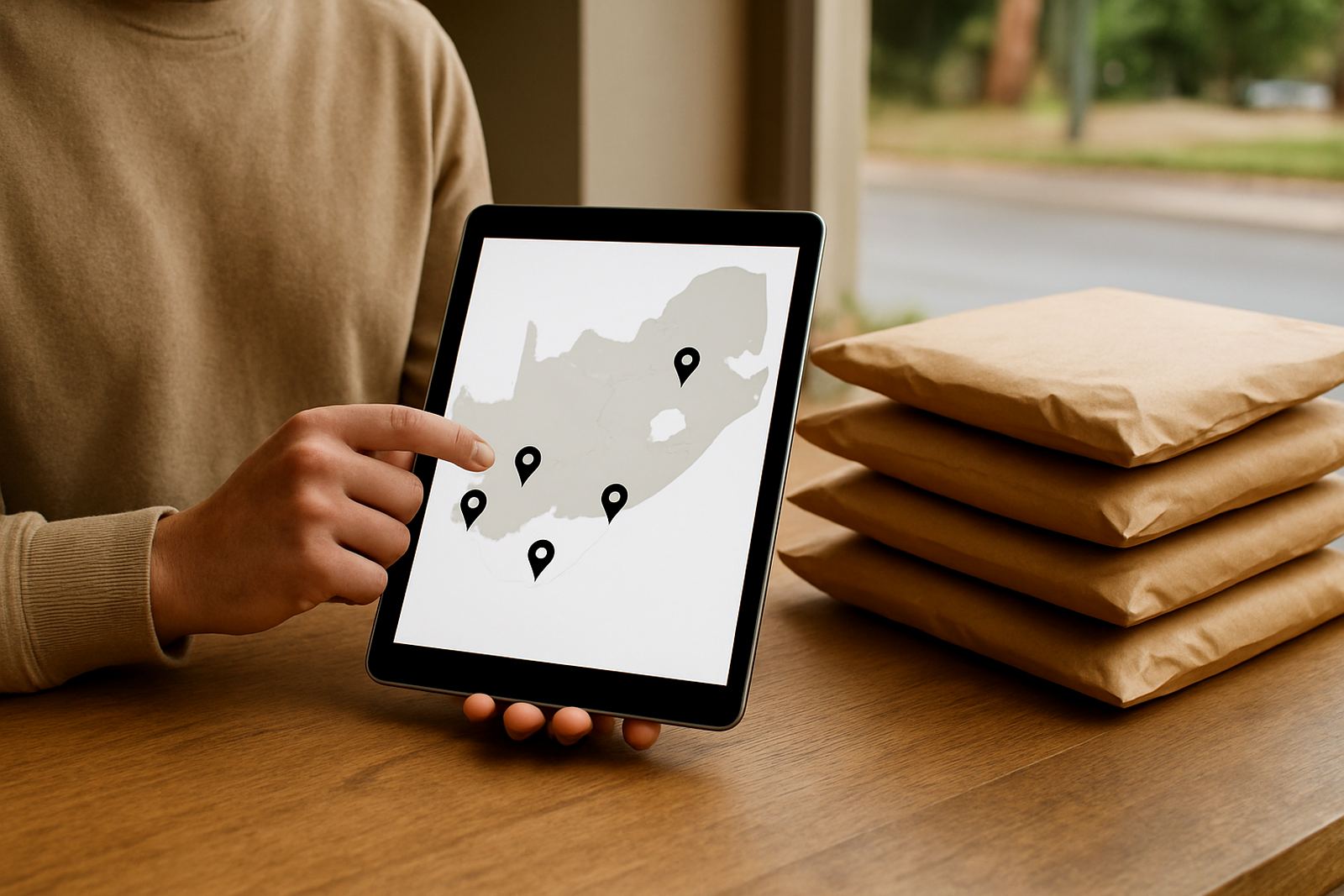
Buyers do not expect every small shop to run a full call centre. They do expect clear updates, a tracking number that works, and a sensible explanation if something is late. That is especially true for orders going to Johannesburg, Pretoria, Cape Town, Durban and Gqeberha, where delivery routes and cut-off times can differ quite a bit.
If you sell clothing, homeware, beauty items or gifts, tracking should feel part of the service. A buyer should not have to send three messages to get one answer. The less back and forth you have, the more time you have to pack orders, restock and keep your product pages current.
Good tracking also makes returns easier. If a parcel comes back because a customer moved, missed delivery, or gave an incomplete address, you can see the movement history and sort out the next step without guessing.
How tracking cuts support queries and admin
Most support queries from small shops are not complicated. They are usually about timing, address changes, missed collection, or a parcel that has not scanned yet. Tracking helps you separate a real problem from a parcel that is simply on the road.
That means fewer interruptions during packing time and less admin after hours. Instead of searching through messages, you can check the latest scan, see whether the parcel has left Woodmead, and reply with something useful. In many cases that one update is enough to prevent a complaint.
- Fewer repeat queries from the same customer.
- Less time spent checking with couriers manually.
- Better records when a parcel is delayed or returned.
- Quicker handover between packing, dispatch and customer care.
For shops that process several orders a day, tracking support also helps spot patterns. If one route keeps missing the same township or estate, you can adjust cut-off times, collection days or delivery choices before it becomes a bigger problem.
A Woodmead example from a busy week
Take a small online shop in Woodmead that sends orders across Gauteng and into the coastal cities each week. On Monday, a batch of parcels goes out before lunch. By Tuesday morning, a few customers are already checking for updates because they are expecting gifts or work items by the weekend. If the shop has no clear tracking view, those messages land in the inbox and slow everything down.
With proper tracking, the team can see which parcels were collected, which are moving through the network, and which need follow up. A customer in Sandton can be told that the parcel is on route to the local delivery hub. A customer in Durban can be told that the parcel is still within the normal transit window. That kind of answer builds trust because it is specific, not vague.
It also helps in bad weather or power interruptions. If a depot scan is delayed, the shop can explain that the parcel is still moving and not lost. That small bit of clarity is often enough to stop a complaint and keep the sale intact, even if the buyer is a bit frustrated.
What to check before you hand over a parcel
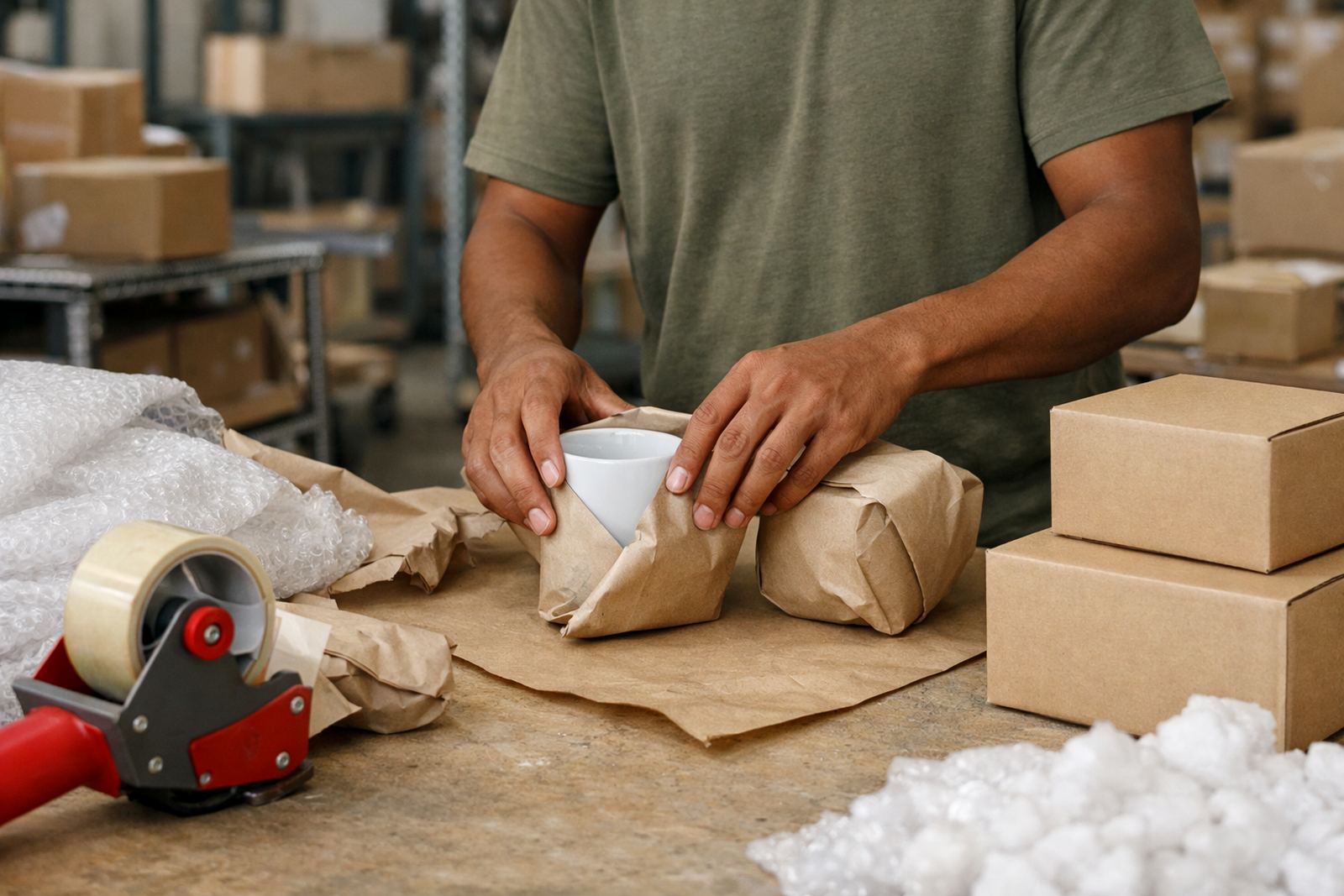
Tracking starts before collection, not after. If the address is wrong, the phone number is missing, or the parcel size was entered badly, the tracking screen will only tell you that something is off. Small shops save time when they treat dispatch details as part of the order, not an afterthought.
Before pickup, check the basics carefully:
- Full street address with suburb, city and postal code.
- Contact number for the receiver, not only the buyer.
- Parcel dimensions and weight entered correctly.
- Special instructions for estates, office parks or remote areas.
- Any fragile or returnable item notes that the courier should see.
It sounds simple, but this is where many delays start. One missing digit or a wrong suburb can create a chain of calls that nobody wants. A clean handover means the tracking line is more likely to tell a useful story from the start.
How tracking supports returns and repeat orders
Returns are part of online selling, especially when customers shop for clothing, gifts or items they have not seen in person. Tracking helps you see when a return collection has been booked, when the parcel was picked up, and when it is back with you. That makes refunds and exchanges easier to handle, and it gives the buyer confidence that the return is real.
For repeat orders, tracking can quietly improve loyalty. If a customer knows your shop keeps them informed, they are more likely to order again. They remember the useful service more than the courier delay. That matters for small businesses trying to grow without adding too many support hours.
It also helps with stock planning. If a return is still moving, you know not to resell that item yet. If a high-demand parcel has been delivered, you can restock or prepare the next batch. In a small operation, that kind of visibility can make the difference between calm stock control and guesswork.
A practical tracking routine for small shops
The best tracking setup is one your team can keep using every day. You do not need a complicated process. You need a clear routine that works during busy periods, power cuts and month-end sales.
A simple routine can look like this:
- Send the tracking number as soon as the parcel is booked.
- Check scan updates at a set time each day.
- Reply to customers with plain language, not courier jargon.
- Log delayed parcels so you can spot repeat issues.
- Use the same process for Johannesburg, Pretoria, Cape Town, Durban and Gqeberha.
When tracking is part of your daily order flow, your shop feels more reliable. Customers receive better answers, your team spends less time chasing updates, and you get a clearer view of what is moving well and what needs attention. For a small online shop, that is not just convenient, it is good service.