Start with the item, not the parcel
Ceramics, glassware, mirrors, candle holders and decorative pieces all travel differently. A glazed mug can chip on one corner and a tall vase can snap at the neck, so the first step is to note the shape, weight, and weak points before you pack anything.
Measure the item after it has been wrapped, then choose the parcel size with a bit of room for cushioning. If a box is too tight the filler gets compressed and the item takes the impact. If it is too loose, the contents shift during sorting and the corners take the knock. For online shops sending out small homeware orders from Woodmead, that extra 2 to 5 cm inside the box often makes the difference.
- Mark fragile edges, handles and lids before wrapping.
- Keep heavy items separate from light decorative pieces.
- Do not assume that one packing method suits bowls, frames and lampshades.
Packing methods that hold up in transit
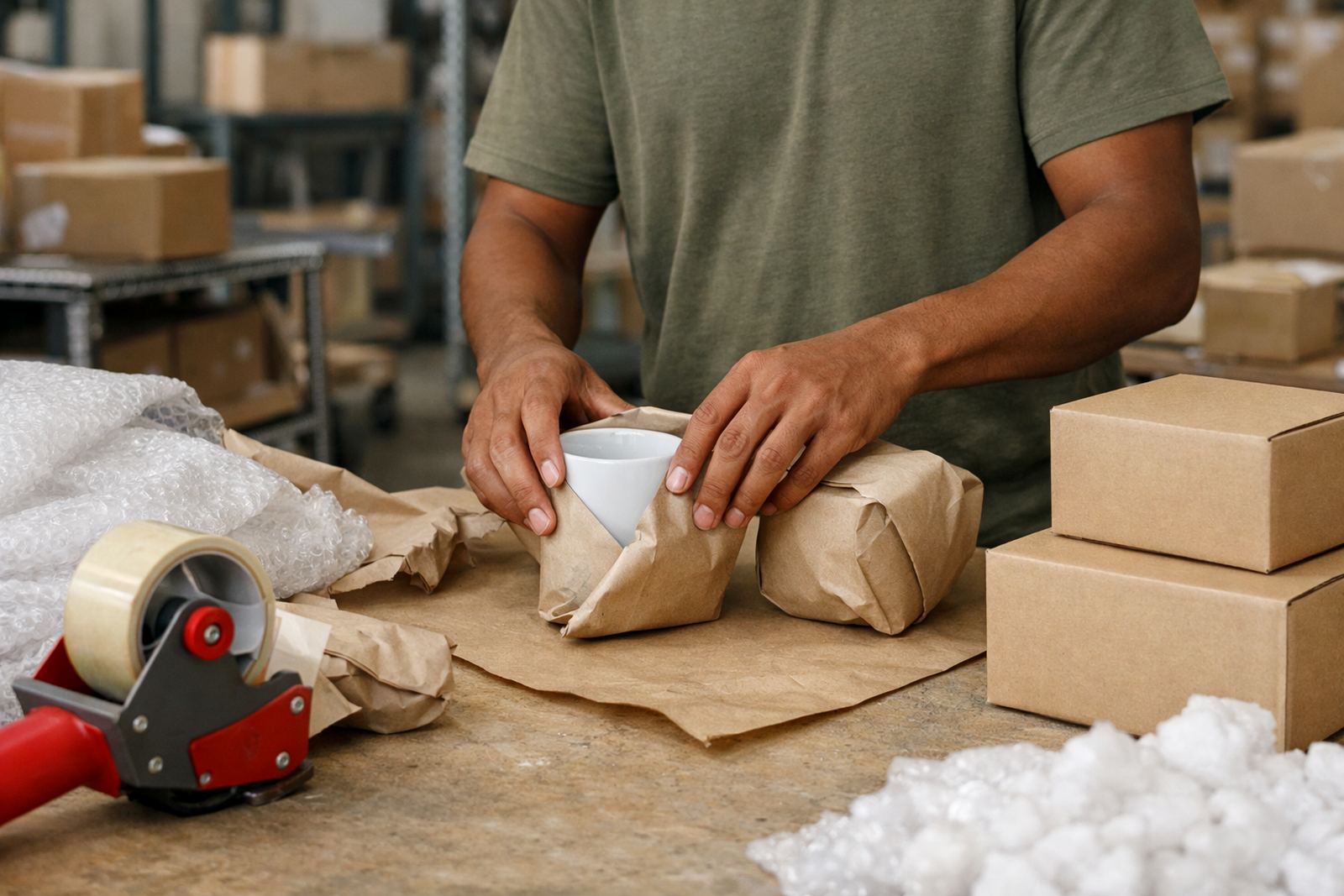
Use clean inner wrap first, then a firm outer box. Soft paper works for dust protection and light items, but for glass and ceramics you need enough padding to stop movement. Bubble wrap, corrugated inserts and double boxing are worth the extra Rand when the item is breakable or awkwardly shaped.
Wrap each item on its own. Never let two plates touch inside the same sleeve, and keep stems, handles and fins protected with additional padding. If you are shipping a ceramic planter with a glazed finish, protect the rim and base more heavily than the sides. That is where most chips happen.
- Fill all empty space so nothing rattles when the box is shaken.
- Use tape on the outside only, never directly on the item.
- Seal seams fully, especially on cartons going through multiple hubs.
- For very delicate decor, use a double box with cushioning between the two layers.
Choose a courier option that matches the value and urgency
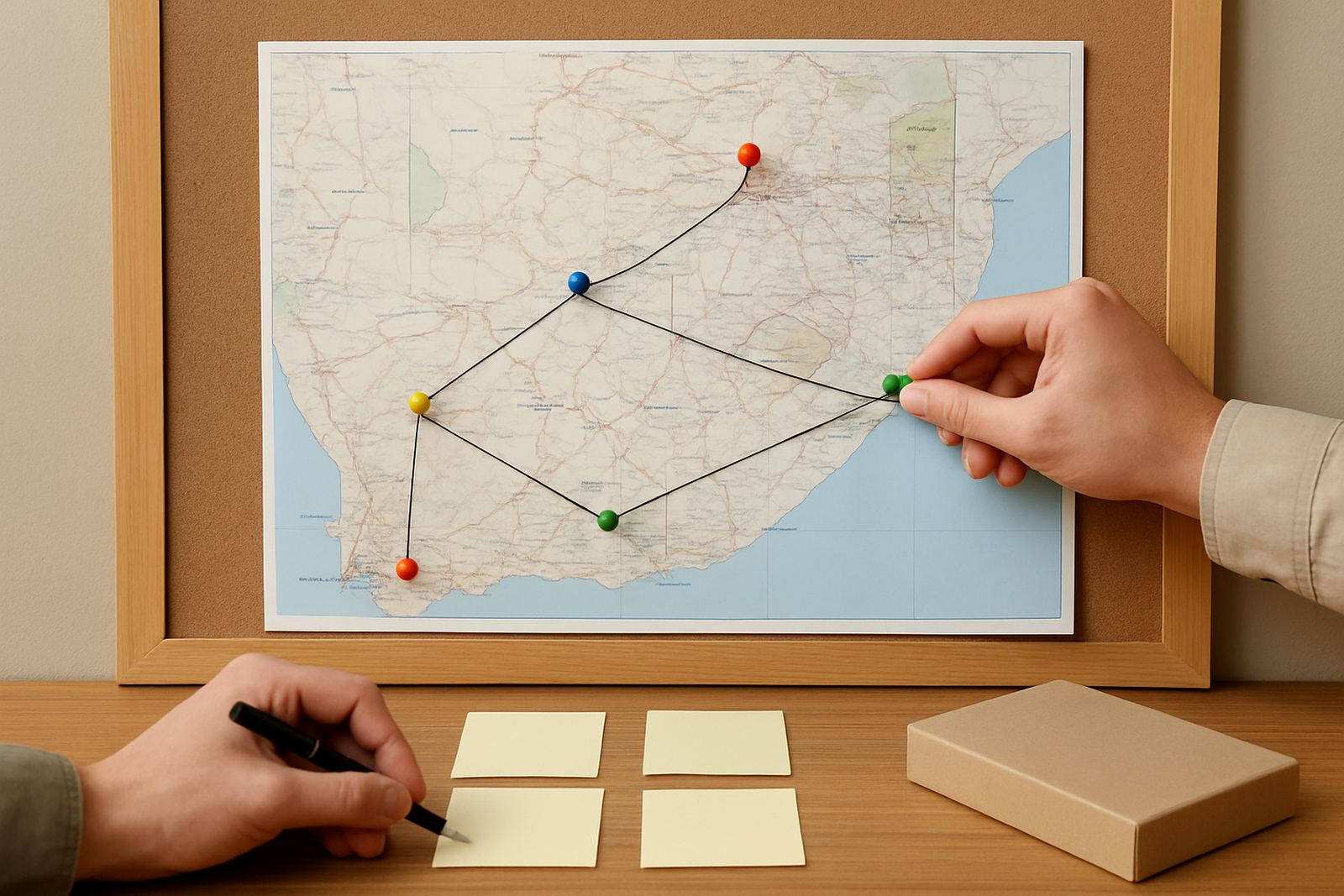
Not every fragile parcel needs the fastest option, but every fragile parcel needs the right one. A low-cost service can be fine for sturdy homeware, yet a breakable order heading from Johannesburg to Cape Town may be better on a service with clear tracking and sensible handling times. Booking the wrong option often costs more once a replacement is sent out and the original order has to be refunded.
For small shops, it helps to compare delivery types before booking. Economy shipping can suit lower-risk items or repeat stock orders. Express shipping is worth considering for higher-value decor, gift orders, or items needed by a set date. If the customer is in Durban and the parcel is going to a coastal area with humidity, seal the inner wrap properly so packaging does not soften in storage before dispatch.
Courier pickups should be booked early in the day where possible. That gives more time for collection, sorting and delivery without the parcel sitting around a loading bay overnight.
Send the right information with the booking
Good booking details reduce delays. The courier needs the correct dimensions, weight, collection access, and any special handling notes. If the parcel is fragile, say so clearly. If it is going to a flat in Sandton with security access or a townhouse in Pretoria with limited gate hours, include that too. A missed collection window can be just as costly as a damaged item.
For a small shop, admin matters. Keep a simple packing record with the customer name, order number, item type and whether the parcel was double boxed. If a claim is needed later, you will know exactly how the item was prepared. That sort of record also helps when the same item is shipped again and again, because you can see what works and what does not.
- Confirm pickup address, contact person and collection instructions.
- Add fragile notes when the item has glass, ceramics or loose fittings.
- Check the parcel weight after packing, not before.
- Save proof of collection and tracking details for each order.
Local example: sending a ceramic lamp base from Woodmead to Gqeberha
A small homeware shop in Woodmead might send a ceramic lamp base to a customer in Gqeberha. The item is heavy at the bottom, narrow at the top, and has a glazed finish that chips easily. In that case, the shop can wrap the neck first, add padding around the base, then place the lamp inside a snug inner carton with no movement. That carton goes into a second box with cushioning on all sides.
The booking should reflect the real parcel size and the need for careful handling. Because the route is long, the shop may choose a service with reliable tracking and fewer handovers. If load shedding has affected the packing area, it is worth checking that the label is printed clearly and fixed flat before collection, not stuck on a curved corner where it can lift in wet weather. One small mark or crease on the label can slow the whole trip.
When the order arrives in one piece, the customer gets the product they paid for and the shop avoids a replacement or return. That is good shipping, plain and simple.
Returns, claims and the habits that save money
Some breakages are avoidable, some are not. What matters is having a process for both. Fragile homeware should be inspected before it leaves the shop, then checked again when stock returns from a customer. If a candle holder comes back with a chip or a glass item has a cracked lip, separate it from sellable stock straight away.
For online shops, returns collections can be useful when an item is damaged in transit or the customer changes their mind. Keep the original packaging where possible, because claims are easier when the box and filler can be inspected. Train staff to photograph the packed order before collection, and again once the courier has accepted it. That habit takes a few seconds and can save a lot of back and forth later.
- Photograph items before packing and after sealing the box.
- Keep returned fragile items apart from new stock.
- Review breakage patterns by item type and route.
- Update packing methods when the same item keeps arriving damaged.
What small shops should do before they book
Before you hit book, check three things: the packaging, the service level, and the delivery address. If all three are right, fragile homeware has a much better chance of arriving intact. Small online shops do not need over-complicated systems. They need clear steps that staff can repeat on a busy day, even when orders are stacking up and the packing table is full.
For customers across Johannesburg, Pretoria, Cape Town, Durban and Gqeberha, the goal is the same. Pack well, book wisely and keep the admin tight. That way your ceramics, glass and delicate decor items spend less time being handled and more time being unpacked in one piece.