1. Build one packing routine and stick to it
When parcel numbers are low, it is tempting to pack each order a little differently. That is where mistakes creep in. A fixed routine keeps things moving and helps you spot missing items before a collection is booked.
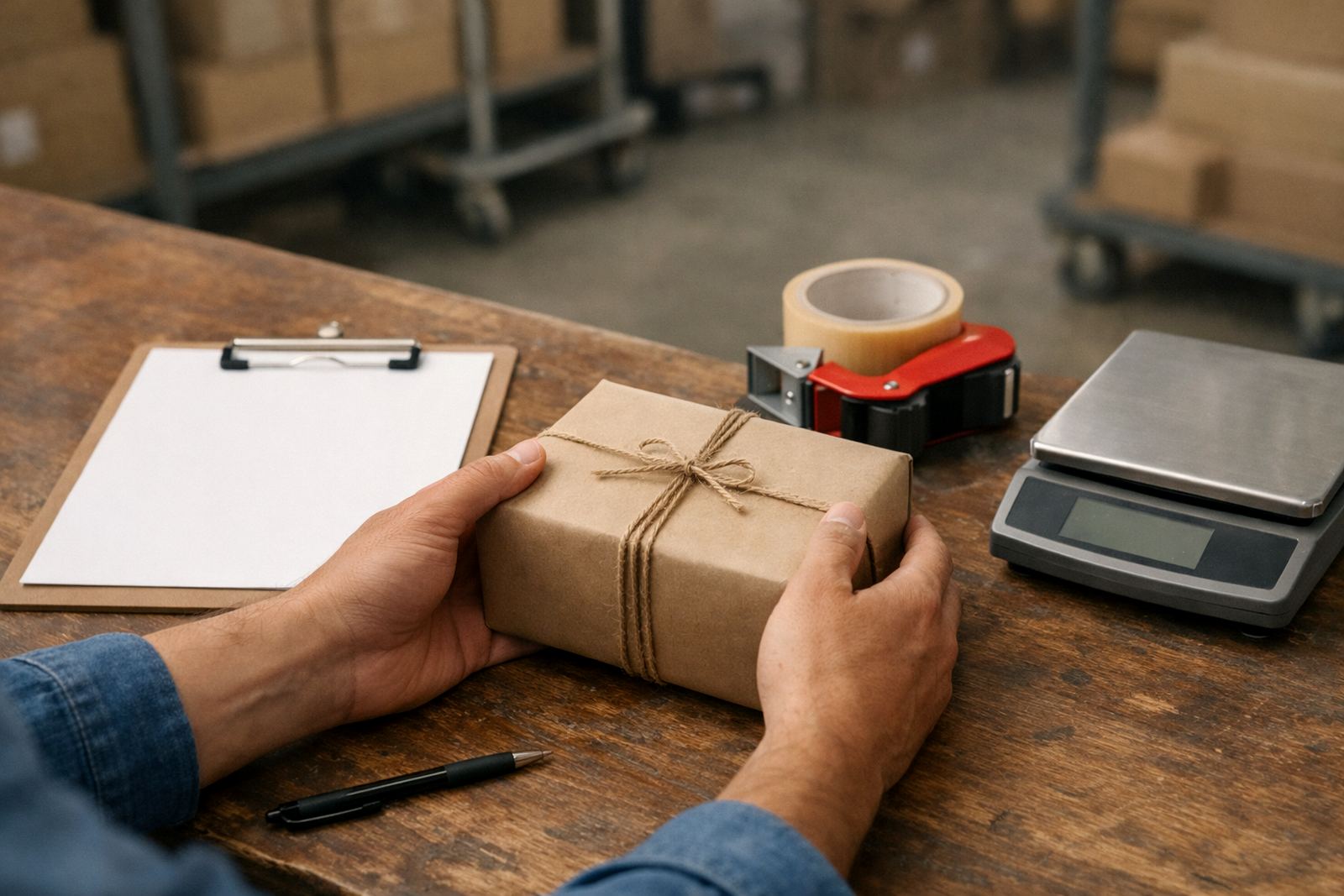
Start with a simple order flow: print the order, check stock, pack, weigh, measure, then book the courier. Do those steps in the same order every time. If you are working from a small storeroom in Woodmead, Midrand or Sandton, this matters even more because space is tight and parcels can get mixed up quickly.
- Use one packing table or counter only for outgoing parcels.
- Keep tape, labels, marker pens and satchels in the same place each day.
- Check the order against the parcel contents before sealing.
- Write the parcel weight and dimensions on a slip if you do not book immediately.
A routine also helps if staff change over or if you are doing everything yourself. Even a small typo on a shipping label can cause a delay, so build in one final check before a pickup is booked.
2. Know your parcel size before you compare prices
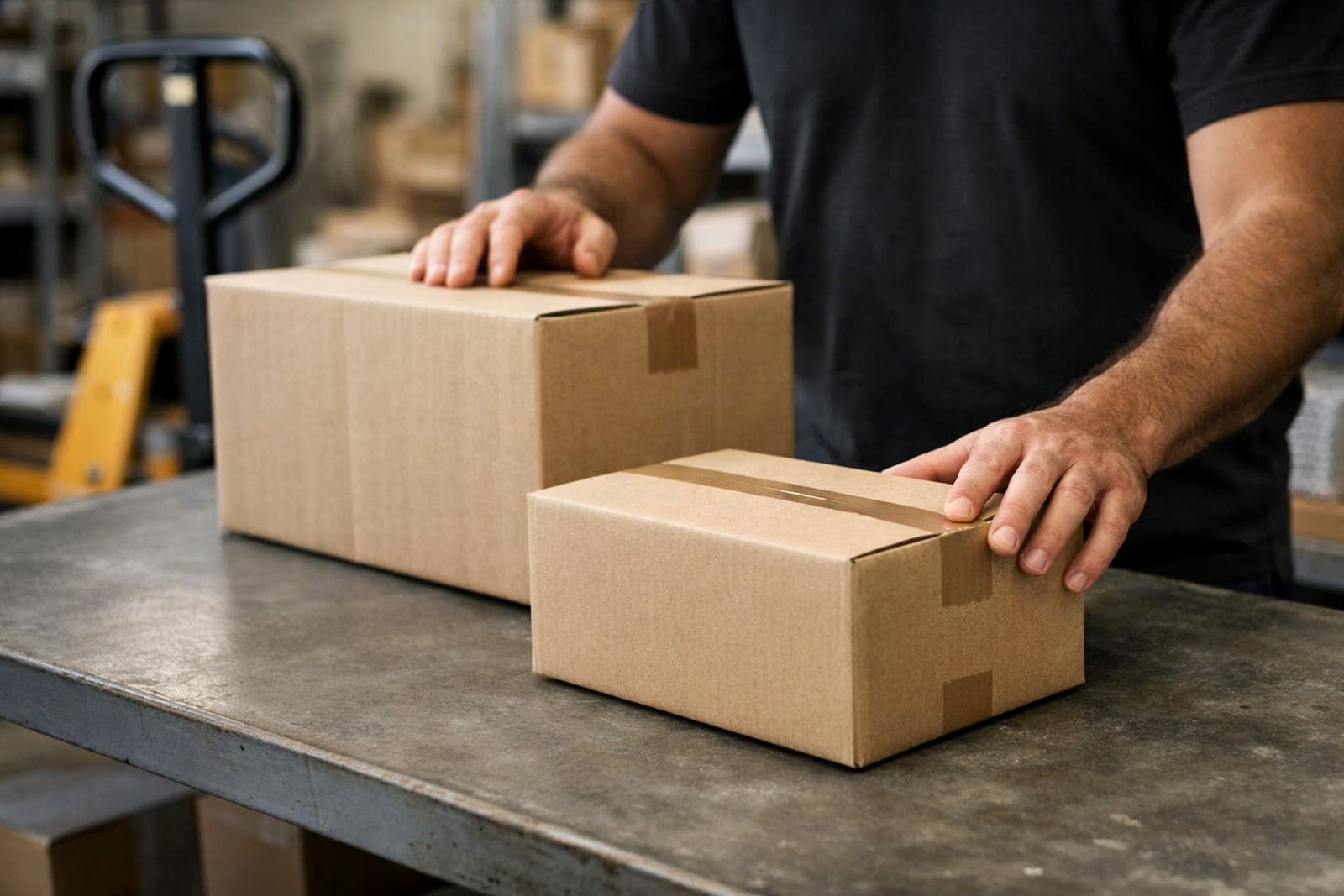
For low volume shops, courier costs are often driven by parcel size more than the item itself. A light parcel that is awkwardly packed can cost more than a neat box with the same contents. Compare prices only after you know the weight and dimensions, not before.
Keep a small scale and measuring tape near your packing area. Measure the longest side, then the other two sides, and round up slightly if the courier needs whole centimetres. In practice, a few millimetres wont matter, but guessing can push the parcel into the wrong rate band.
- Weigh the packed parcel, not just the product.
- Measure after the box or satchel is sealed.
- Keep a note of your most common parcel sizes.
- Separate bulky items from standard parcels when comparing options.
This makes comparison quicker and more accurate. It also helps you choose between economy shipping and express shipping without wasting time on quotes that will never fit your parcel type.
3. Book pickups at times that suit your area
Courier pickups are easier to manage when you think about your suburb, not just the parcel. A shop in Johannesburg North may have different collection timing pressures from one sending parcels out of Cape Town or Gqeberha. Traffic, security access and office hours all affect whether a driver gets in and out without delay.
If you are in a shared building or business park, leave enough time for reception rules and gate access. In some areas, especially where load-shedding affects lifts or access control, a pickup arranged too late can slip to the next day. That is frustrating when a customer has already paid for fast delivery.
- Book pickups earlier in the day where possible.
- Keep access instructions short and clear.
- Use the same collection point each time if you can.
- Avoid changing the pickup address unless it is really necessary.
For very small shops, one missed pickup can throw off the whole day. A consistent collection window makes it easier to pack, label and hand over parcels without last minute panic.
4. Give customers realistic delivery choices
Small shops often try to offer every delivery option, but that can create confusion. It is better to offer a few clear choices that match your stock, packing speed and courier access. If you can only process parcels once a day, say so in your order notes or shipping policy.
Delivery guidance is useful here. A customer in Pretoria may accept a two to four working day option, while a customer in Durban may prefer express if the item is urgent. The important thing is to set expectations before payment, not after the parcel is already booked.
- Offer standard and express where it makes sense.
- Explain cut-off times in plain language.
- State if collections do not happen on weekends or public holidays.
- Make returns and exchanges easy to understand.
Being upfront reduces back and forth messages and keeps your support time under control. It also helps build trust with buyers who are ordering from a smaller store for the first time.
5. Track every parcel, even the cheap ones
It is easy to ignore tracking when parcel volumes are low because you can remember each order by hand. That works until a customer asks for an update and you need proof of where the parcel was last scanned. Tracking support is not only for busy stores, it helps small shops too.
Keep a simple log with the order number, courier used, tracking number and booking date. Even if you only send three parcels a day, this record can save time when there is a delay or return. It also helps you spot which routes are reliable and which ones need a different shipping choice.
- Update the tracking number on the order as soon as it is available.
- Check for movement the next business day after collection.
- Keep proof of collection or handover where possible.
- Follow up quickly if a parcel has no scan for too long.
Customers are usually calm when they know you are watching the parcel. Silence, on the other hand, creates concern very quickly.
6. Keep returns simple before they become a problem
Low volume shops feel returns more sharply because each one takes up time. If a customer wants to send something back, the process should be easy to understand and easy to book. That is especially important for clothing, accessories and other items where size or fit can be an issue.
Decide in advance who pays for the return, when a return can be booked and what condition the item must be in. If the return is being collected from Johannesburg, Pretoria or elsewhere, the customer needs to know whether the parcel is going back as a collection or a dropped-off handover.
Good returns rules should cover:
- Which items can be returned and within how many days.
- Whether the original packaging must be kept.
- Who arranges the return booking.
- When a refund or replacement is processed.
Clear rules reduce arguments and make your shipping admin easier, especially when you are juggling orders and customer messages on the same phone or laptop.
7. Use comparison tools to protect your margin
When you send only a few parcels a day, every rand counts. The cheapest option is not always the best, but the most expensive one is rarely needed for every order either. A courier comparison step helps you match the service to the parcel, instead of guessing.
Look at price, delivery time, collection area and the service type before booking. A low value parcel going to a nearby suburb may not need express shipping. A higher value item going across the country might justify it. By comparing options first, you keep control of your margin and avoid overpaying for speed you dont need.
For small online shops, this habit is often the difference between shipping being a cost centre and shipping being manageable. It gives you a repeatable way to book pickups, choose delivery options and keep customers informed without making the process too complicated.