Why repeat shipments need less typing and more structure
If you run a small online shop, you already know how quickly courier admin can stack up. One parcel here, five parcels there, then a customer in Pretoria asks for overnight delivery while another in Cape Town wants the cheaper option. Saved parcel profiles help by keeping the common details on hand so you do not re-enter the same weight, size, packaging notes, or service preference every time.
That matters most when your products are fairly consistent. Think T-shirts, candles, skincare sets, phone cases, pet treats, or small home goods. Once you know the usual parcel size and weight, a saved profile gives you a fixed starting point. You still check the details, but you are not beginning from scratch on every booking.
For teams working from Woodmead, Midrand or Sandton, the time saved can be the difference between getting pickups booked before the courier cutoff and leaving it for the next day. In ecommerce that kind of delay can turn into a refund request or a missed dispatch promise.
How saved parcel profiles improve booking accuracy
Courier bookings go wrong when information changes from order to order without a proper check. A saved profile keeps the basics steady, such as parcel length, width, height, weight, and whether the item is fragile. This is useful for small shops sending the same stock across Johannesburg, Pretoria, Durban, Cape Town and Gqeberha.
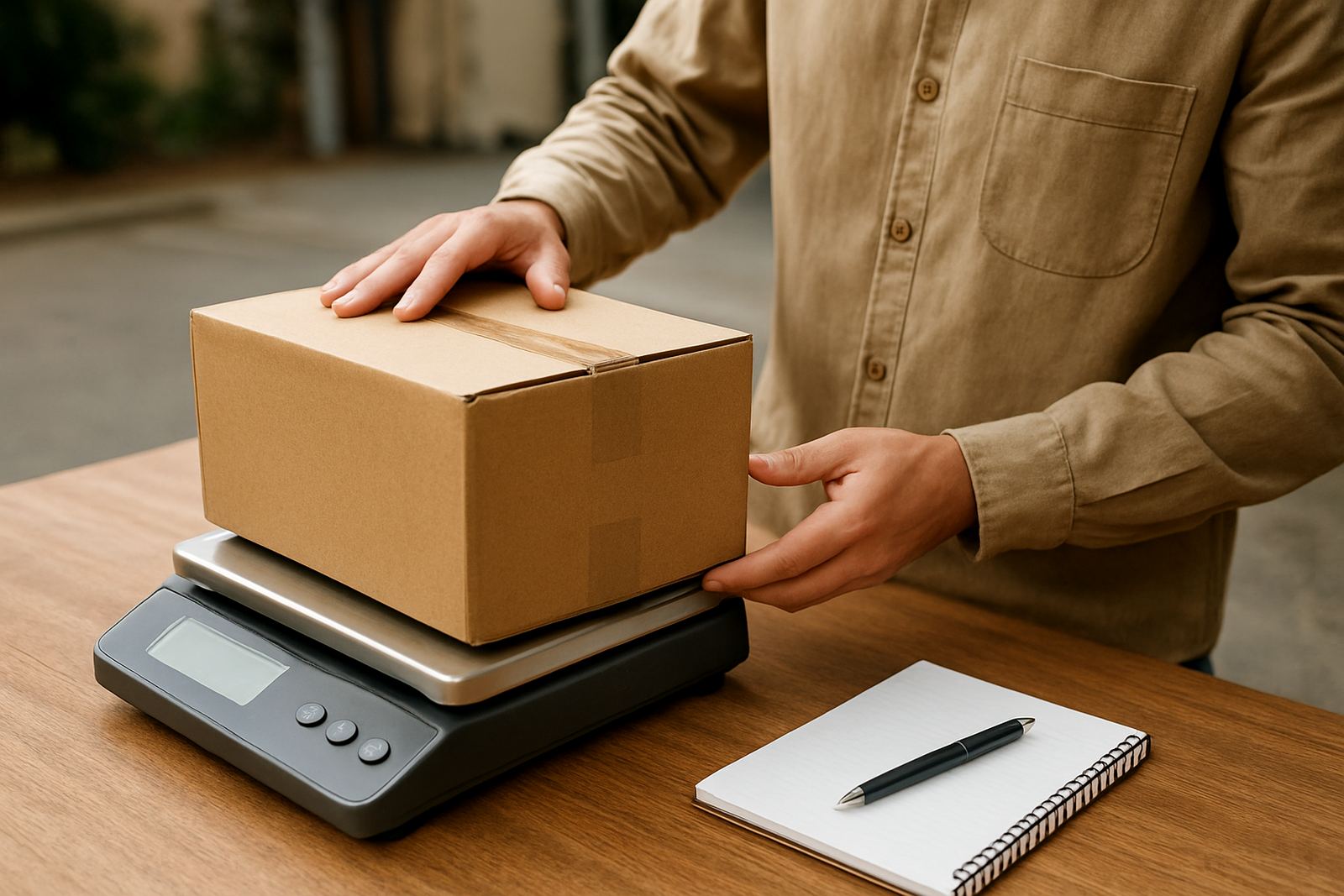
If your packed parcel is usually 2 kg and fits in a 30 cm by 20 cm by 10 cm box, you can save that profile and use it as a reference. When an order comes in, you only need to confirm whether the item has changed. If you suddenly add gift wrapping or a larger insert, the profile reminds you to adjust the dimensions before booking.
Accuracy also helps with courier comparison. A quote for a small parcel is usually different from a bulky one, so if the profile is correct, the price shown is more useful. That reduces surprises at checkout and helps you give the customer a delivery option that actually suits the order. It also cuts the chance of a pickup being delayed because the parcel was listed wrong.
A practical example from a small shop in Woodmead
Take a small online shop in Woodmead selling printed notebooks and counter accessories. Most orders are light, but the owner also sells occasional bundle packs that go out during month end promotions. Instead of creating every shipment from scratch, the shop saves two profiles: one for single items and one for bundled orders.
When the first order of the day comes in from Durban, the team selects the single-item profile and books the pickup in a few clicks. Later, a Midrand order includes three notebooks and a lamp, so they switch to the bundle profile and check the final packed weight. The process is simple, but it keeps the team moving even when the phones are busy and the power is off in the area.
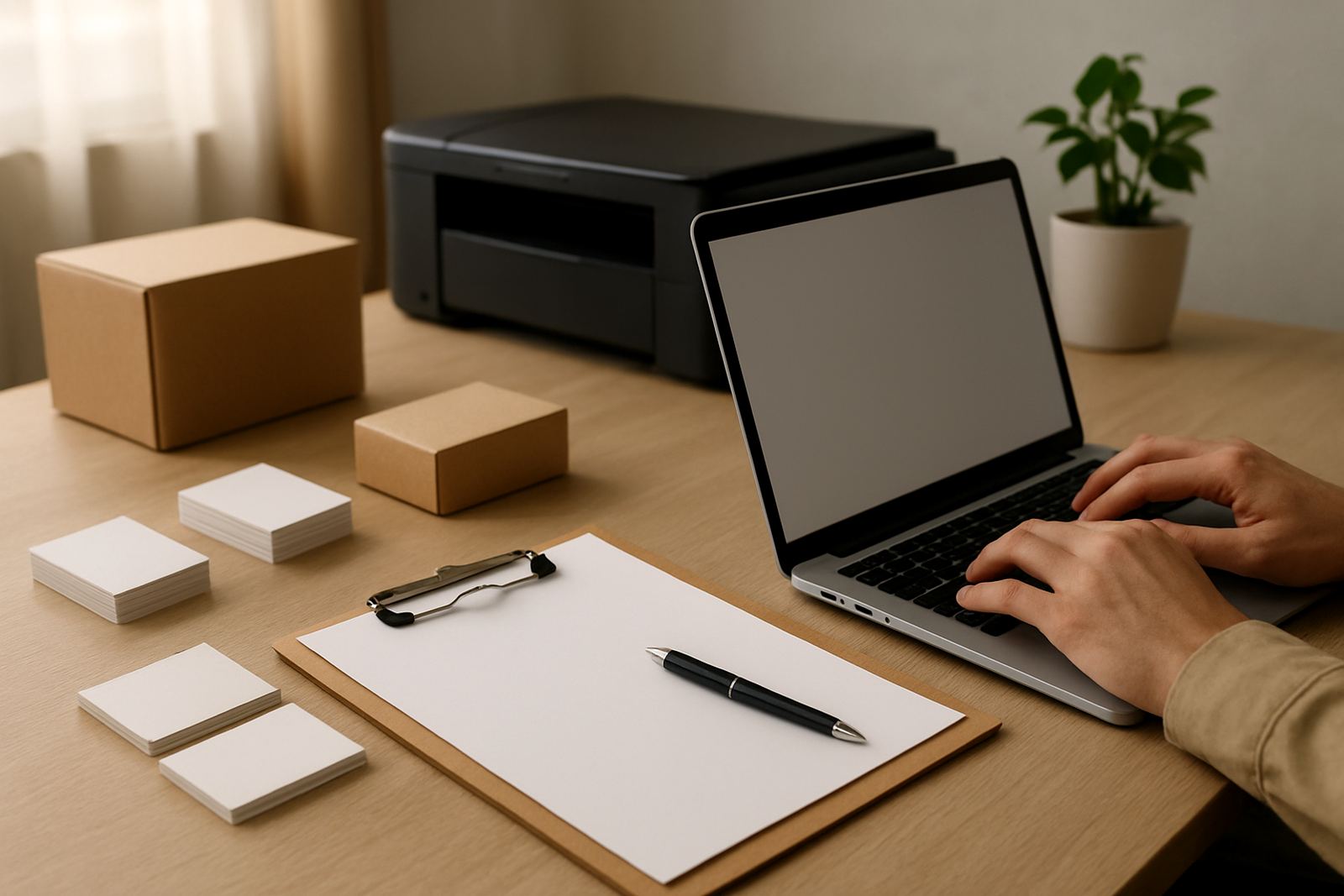
That kind of setup is useful for shops that run from home, a small storeroom, or a shared office. You do not need a big warehouse to benefit from saved parcel profiles. You just need a steady process and a habit of checking the parcel before the driver arrives.
What to include in a saved parcel profile
A good profile is more than just a product name. It should include the details that affect courier pricing, collection handling, and delivery expectations. The clearer the profile, the less time you spend fixing mistakes later. This is especially useful if more than one person handles bookings in your shop.
Keep the profile simple but complete. You want enough detail to avoid rework, not a page of notes nobody reads. If you ship locally in Johannesburg one day and nationally the next, the same profile can still help as long as the parcel size stays the same. The delivery zone changes, but the packing details often do not.
Useful items to store in each profile include:
- Product or parcel name
- Packed weight in kilograms
- Parcel dimensions in centimetres
- Fragile, liquid, or temperature-sensitive notes
- Usual packaging type
- Preferred service level, such as economy or express
- Return handling notes if the item often comes back
If you sell across areas with different access conditions, add a small note about collection access too. For example, a building in Sandton with security sign-in may need a different pickup instruction from a home address in Pretoria East. Small details like that save time for everyone involved.
When saved profiles should be updated, not reused
Saved profiles work best when they stay current. If your packaging changes, if the stock gets heavier, or if you start using a different box, update the profile straight away. Old information can cause underquoting, missed courier rules, or a pickup that is not ready for the vehicle booked.
This is worth watching during busy seasons. In the run-up to Black Friday, festive trading, or back-to-school sales, many shops add extra protective material or shift to larger packs. A profile that worked in June may no longer fit in November. One quick check before booking is usually enough to keep things on track.
It also helps to keep separate profiles for different product groups instead of trying to force everything into one entry. A candle set and a pair of shoes may both be medium-sized, but they are not packed the same way. If the courier compares them as if they were identical, you can end up with the wrong service choice or a re-rate after collection.
How small shops can build a faster dispatch routine
Saved parcel profiles are most useful when they form part of a simple routine. For example, the picker packs the order, the packing station confirms the weight and dimensions, then the courier booking uses the saved profile as the starting point. That avoids the common problem of someone booking too early and discovering later that the parcel was bigger than expected.
For smaller shops, the biggest win is consistency. If your team knows which profiles are used for which products, there is less back-and-forth on busy afternoons. It also helps when the owner is away and another staff member needs to make the booking. The process still works, even if the person at the screen is not the one who packed the parcel.
Saved profiles are not only about speed. They also make it easier to compare courier options with confidence, track repeat shipping patterns, and manage returns without guessing. For a small South African online shop, that kind of order can free up real time. And when the day is already interrupted by traffic, load-shedding or a late supplier delivery, having one less admin step makes a proper difference.