Keep every waybill in one named place
The biggest filing mistake is letting waybills live in too many places. Some are on WhatsApp, some in message, some printed and left on a counter, and a few are saved on a laptop under random file names. That is how a simple query turns into a half hour search.
Choose one main filing method and stick to it. If you use paper, keep a dated folder for each month. If you go digital, create one folder structure and use it for every shipment. The method matters less than consistency. A small shop in Sandton that sends 20 parcels a week needs the same habit as a Midrand seller doing 3 or 4 urgent orders after lunch.
- File by date first, then by order number
- Keep one folder for completed deliveries and one for open issues
- Save the waybill as soon as the booking is confirmed
- Do not rename files in different styles each week
Match the waybill to the order before the parcel leaves
Good filing starts before collection, not after. The best time to check a waybill is when the parcel is still on your packing table. Compare the customer name, suburb, contact details, parcel count and service type against the order form. If there is an error, fix it there and then, because once the courier has collected, correction can take more time.
Many small shops lose track when they write the parcel number on a loose note and assume they will sort it later. Later often becomes tomorrow, then next week. A quick matching habit keeps your records cleaner and your customer service calmer, especially when a buyer in Cape Town asks why an express parcel has not moved yet.
- Check the shipping address against the order invoice
- Confirm whether the booking is economy or express
- Mark the parcel count for multi order shipments
- Keep a note if the customer requested a return collection or split delivery
Use a simple reference system that your team can follow
If more than one person handles orders, the filing system must be easy enough for everyone to use the same way. A clever system that only one person understands is not much use. Keep the reference short, practical and repeatable.
A common method is to combine the date and order number, then add a short note for the route or service. For example, a code can show whether the parcel is a local delivery in Johannesburg or a national booking to Durban. That gives you fast sorting without creating clutter. It also helps when a customer asks for a resend of their proof of booking and you need to find it quickly.
- Use the same format for every shipment record
- Add notes only where they help, not everywhere
- Keep colour coding simple if you use it, for example one colour for open parcels and another for delivered ones
- Make sure the person packing on Friday can read the same system on Monday
Separate active shipments from closed ones
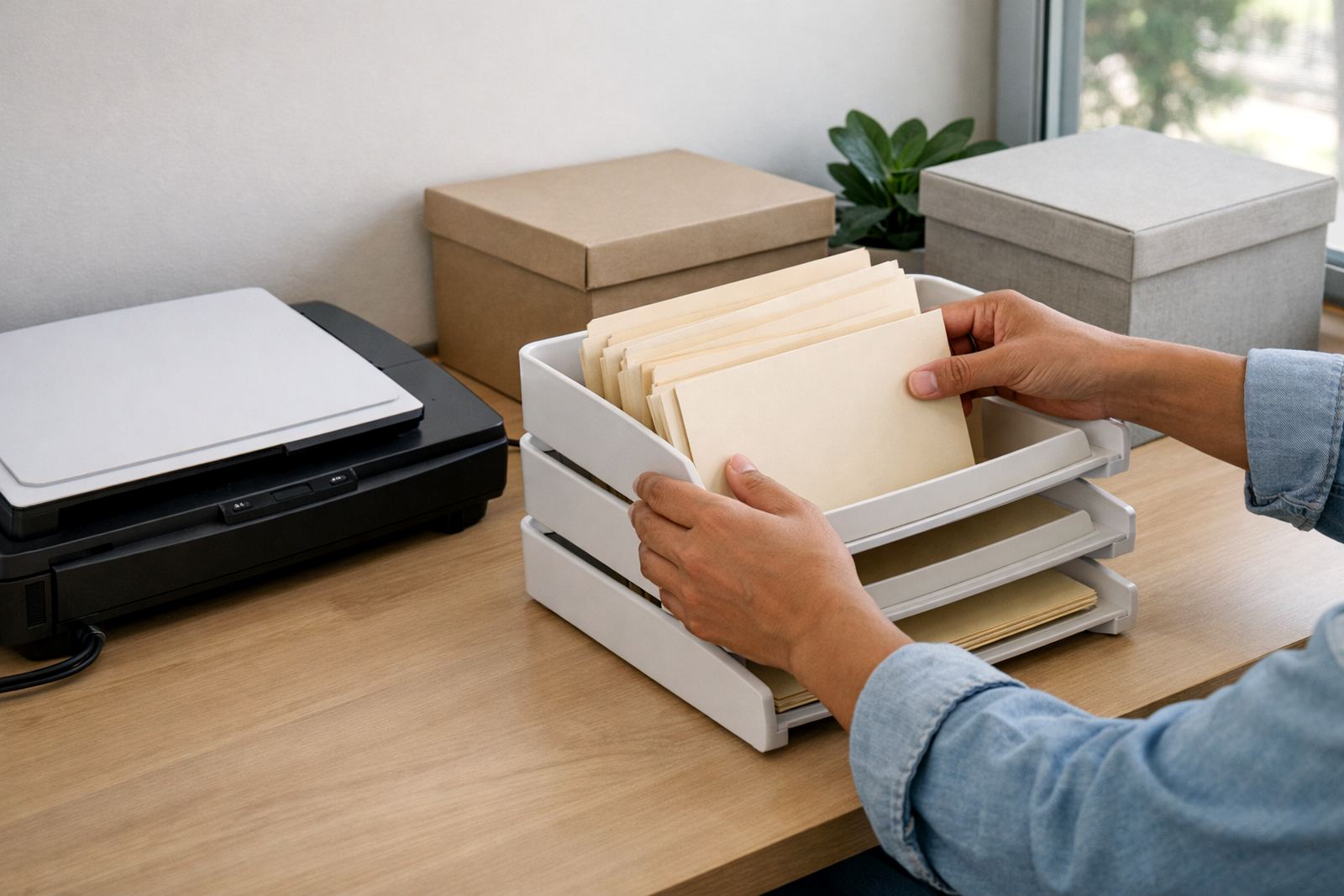
Active parcels and completed parcels should never sit together in the same pile. When they do, open issues get buried and closed files become cluttered. Keep one section for parcels waiting on collection, another for parcels in transit, and a third for delivered or returned orders.
This is especially useful for shops that ship from Woodmead and cover several cities at once. A delayed parcel to Gqeberha should not disappear under a stack of already delivered Johannesburg orders. Clear separation also helps during month end when you need to check which waybills are still unresolved and which ones can be archived.
- Use a tray, folder or digital tag for each shipment stage
- Move a file only when the parcel status changes
- Keep return collections in a separate section from outgoing shipments
- Review the open list daily, even if it is only 10 minutes
Keep proof of collection and customer notes together
A waybill on its own tells only part of the story. For later follow up, keep the collection confirmation, tracking reference and any customer note with the same file. That way you can see who booked the parcel, when it was handed over, and what special instruction came with it. If there was a fragile item or a delivery instruction for a security gate, keep that note in the same place.
When a customer disputes a delay, the first question is usually whether the parcel was packed correctly and whether the courier collected on time. If your file has the booking detail, the pickup note and the tracking number together, you can answer with confidence. Without them, you are guessing. And guessing is not a great look when a client wants a clear update.
- File the waybill with the pickup confirmation
- Keep a copy of any special delivery instruction
- Add notes for damaged packaging, split parcels or change requests
- Hold return paperwork with the original order file
Review older waybills before they become a problem
Filing is not just about storing records. It is also about checking them before issues pile up. Once a week, set aside time to review older waybills, especially anything that still shows as open, delayed or awaiting proof of delivery. This is where small shops often find missing updates, wrong references or parcels that need a follow up call.
If you handle courier bookings for Pretoria, Cape Town or Durban customers, older files can show patterns you might miss in the day to day rush. Maybe one service is fine for same city deliveries but slower for longer routes. Maybe your returns are clean in one branch but messy in another. Those notes help you tighten the process. A tidy archive is not just neat, it is useful.
In practice, a good filing habit means you can answer a customer quickly, match a payment to a shipment and check a delivery without hunting through old messages. That saves time, cuts stress and keeps your shipping admin under control, even when the week is full of school holidays, rain or power cuts.