Why courier measurements matter before you book
When you book a pickup, the courier needs to know the size of the parcel as well as the weight. A box that is measured too small may be quoted on the wrong service, while a box that is measured too large can push you into a more expensive rate band. For small online shops, that difference can affect your margin on every order.
Couriers use dimensions to work out how a parcel fits into vehicles, cages and sorting systems. A neat carton from a supplier in Woodmead may look small, but if the contents are bulky, the outer box still counts. The same applies whether you are sending from Johannesburg, Midrand or Sandton. Measure the finished, packed box, not the empty one.
- Measure after packing, sealing and labelling the parcel
- Use the outside edge of the box, not the inside space
- Check weight and size together before confirming a booking
The three measurements you need every time
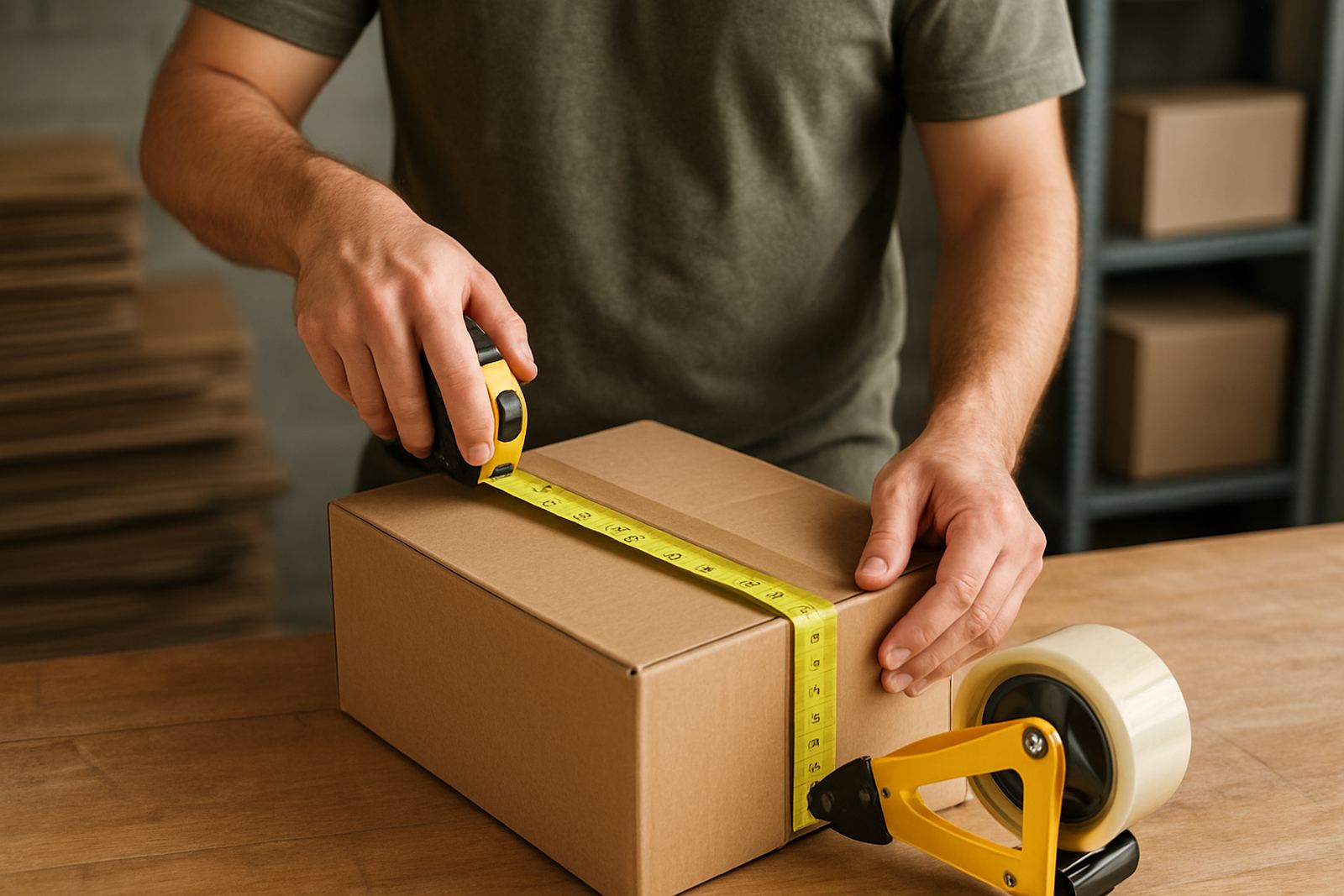
Every courier booking starts with length, width and height. Length is the longest side of the box, width is the shorter side across the front, and height is from bottom to top once the parcel is standing upright. Keep the tape measure straight and read the numbers in centimetres unless the courier asks otherwise.
If a box is an odd shape, measure the widest point on each side. A parcel with loose packaging, bubble wrap or a taped-on label can still count as that full outer size. That is where many small shops slip up, especially when packing rush orders before a cutoff on a Friday afternoon.
- Length: the longest side
- Width: the side across the front
- Height: the vertical side once boxed and sealed
A quick tip: write the three numbers on the parcel list before you open the booking screen. It saves time when you are handling several orders at once.
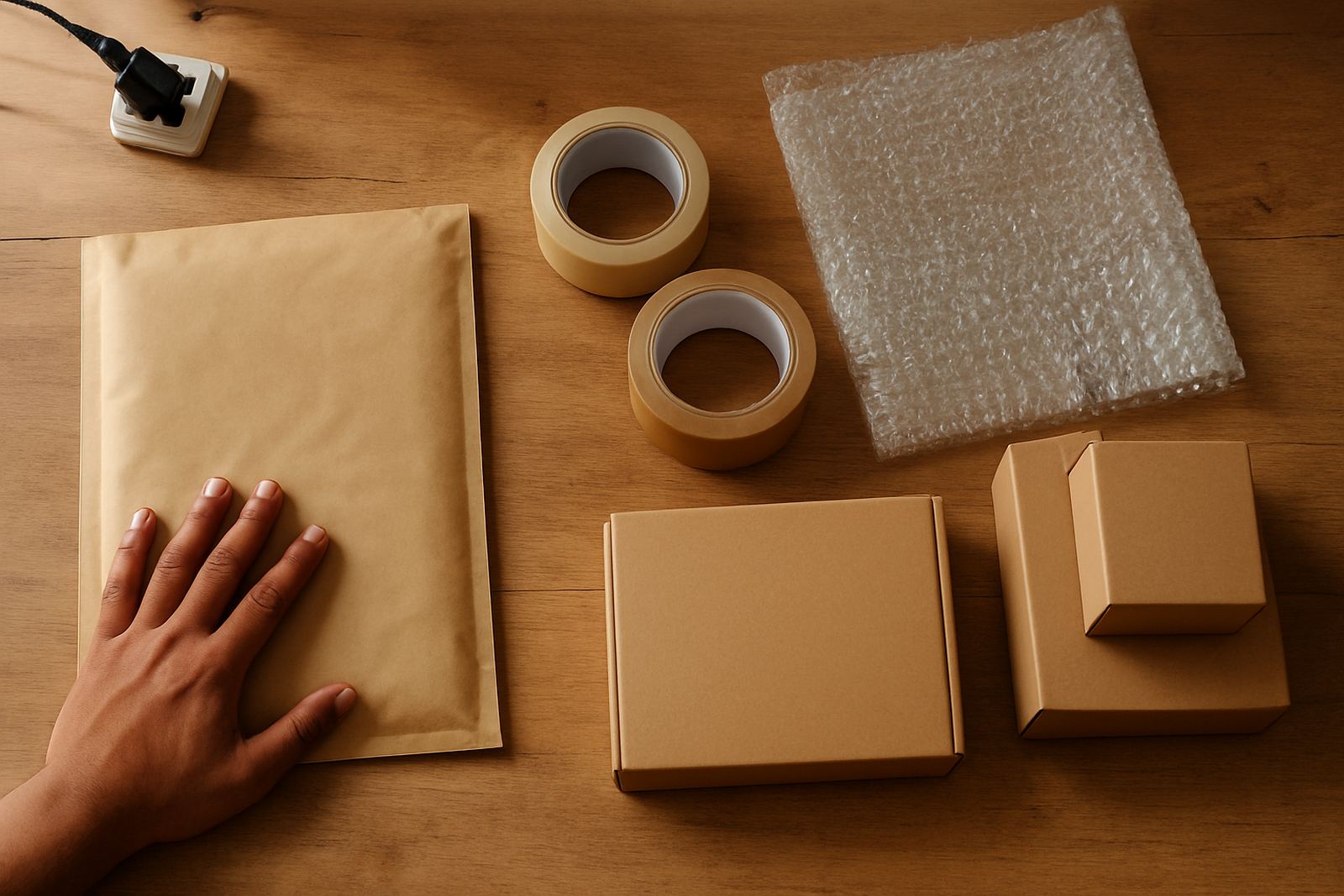
Use the right box and leave room for protection
The box should suit the product, not the other way around. If there is too much empty space, items can move around and get damaged in transit. If the carton is too tight, it can bulge, split at the seams or burst open during handling. That is a common problem with stock moving between Gauteng and coastal routes where parcels are stacked for longer periods.
For fragile goods, allow space for protective material without overfilling the carton. A neat, square box is easier to stack and usually cheaper to move than a soft or misshapen parcel. In humid coastal areas like Durban and Gqeberha, strong outer boxes matter even more because weak cardboard can soften if it is stored badly, especially during load-shedding when warehouses open and close more often.
- Choose a box that fits the item with a little space for packing material
- Seal all bottom and top seams with strong packing tape
- Keep the parcel square so it stacks properly in transit
What to do with irregular or oversized parcels
Not every shipment fits into a standard carton. Cylindrical goods, clothing rails, display items and bundled products may need special handling. In those cases, measure the longest outside points, including any wrapping, corners or protruding edges. If the parcel is odd shaped, do not guess. A wrong size can lead to a courier rejecting the collection or adjusting the rate after review.
For larger items, think about whether the parcel can be broken into smaller boxes. Two neat cartons are often easier to book, store and collect than one awkward parcel. This is especially useful for small online shops sending mixed orders across Pretoria, Cape Town and Durban where you want consistency across every booking.
- Measure the furthest points on irregular parcels
- Include handles, wraps and any fixed sticking-out parts
- Split oversized shipments into smaller boxes if practical
How to weigh and measure at the packing table
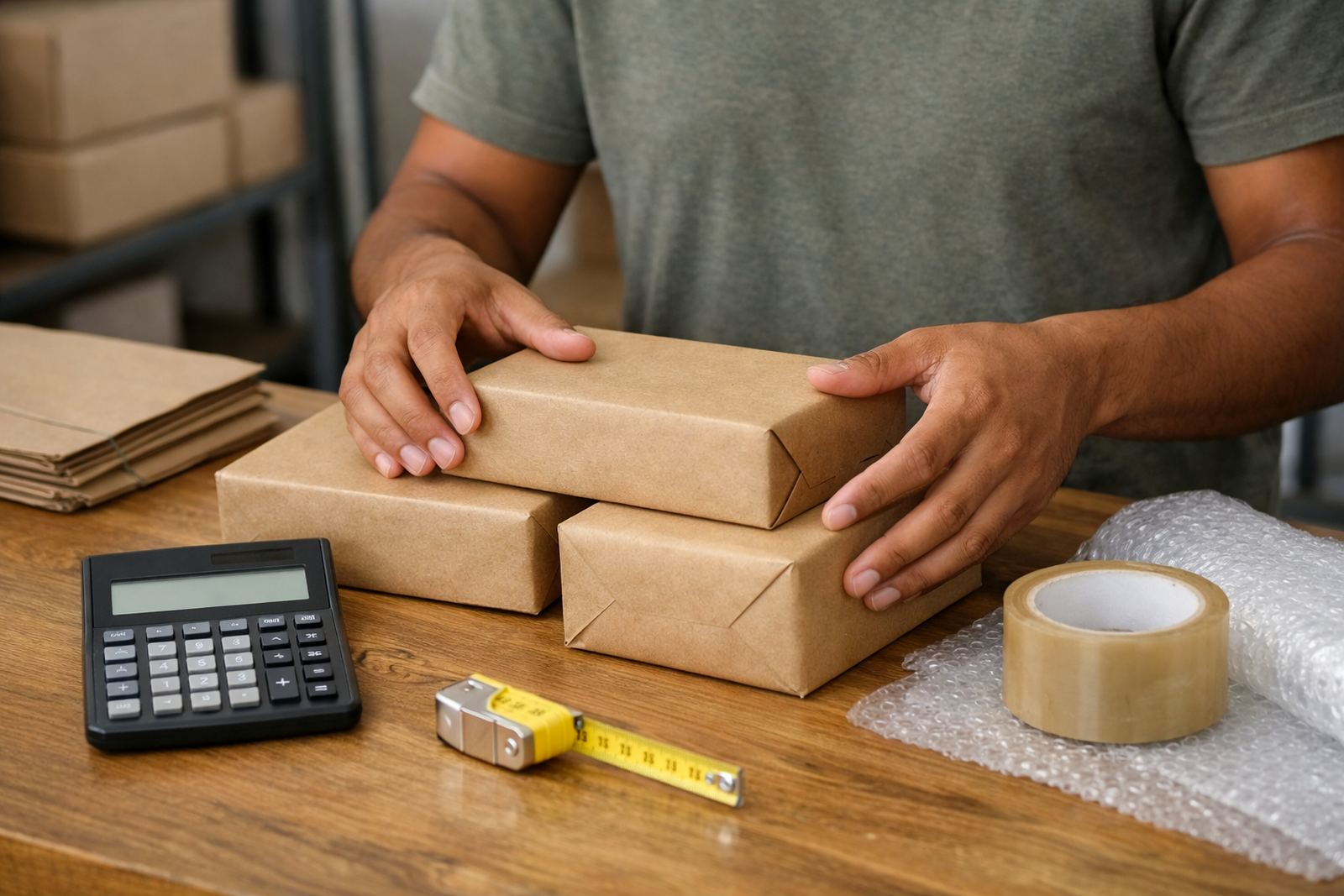
Set up a simple packing station with a tape measure, scale, labels and a pen. If you process orders daily, keep the same method for every parcel so your records stay accurate. That means measuring in the same way each time, using the same unit, and checking the final parcel before booking. It sounds basic, but it cuts down on admin mistakes quite a bit.
A practical process for small shops is to pack, seal, weigh, measure, then book. If the parcel changes after you tape it closed, update the figures. A box that looked 20 cm high before sealing can become 22 cm once the flap is folded and taped. That small difference can matter when you are comparing courier options and rate bands.
- Pack the item fully
- Seal the box
- Weigh the finished parcel
- Measure length, width and height
- Enter the final numbers into the booking
A Johannesburg example that saves money
Say a small shop in Woodmead is sending five orders to customers in Pretoria, Cape Town and Gqeberha. One order is a set of homeware items packed into a box that measures 42 cm x 28 cm x 18 cm. Another is packed in a bulky carton that could be reduced to a smaller size by changing the packing layout. If the owner measures both properly, the comparison tool can show the best courier choice for each parcel instead of treating every order the same.
That matters when you are balancing speed and cost. A customer who wants next-day delivery from Johannesburg may pay more for express, while a parcel going to a regional area might suit an economy service better. Accurate measurements help you choose with confidence, rather than guessing and hoping the booking goes through without a problem. It also makes returns collections easier, because the return label and pickup details match the parcel size from the start.
Common mistakes that cause booking problems
Most parcel issues come from a handful of simple errors. The box was measured before packing, the tape measure was read from the inside, or the wrong unit was entered into the booking form. Another common problem is leaving out packaging material, which makes the parcel bigger than expected. These mistakes can lead to revised quotes, delayed pickups or a courier asking for new details.
Keep this short checklist near your packing area so the team can work the same way every day.
- Do not measure the empty box
- Do not forget bubble wrap, fillers or outer packaging
- Do not round down the size to make the rate look better
- Do not mix centimetres and millimetres
- Do not book before checking the final sealed parcel
A clear, repeatable method is especially useful when you are processing multiple orders after a busy trading day and the team is trying to catch the last collection. It keeps things moving and avoids last minute call-backs.