What the Soweto shop needed from day one
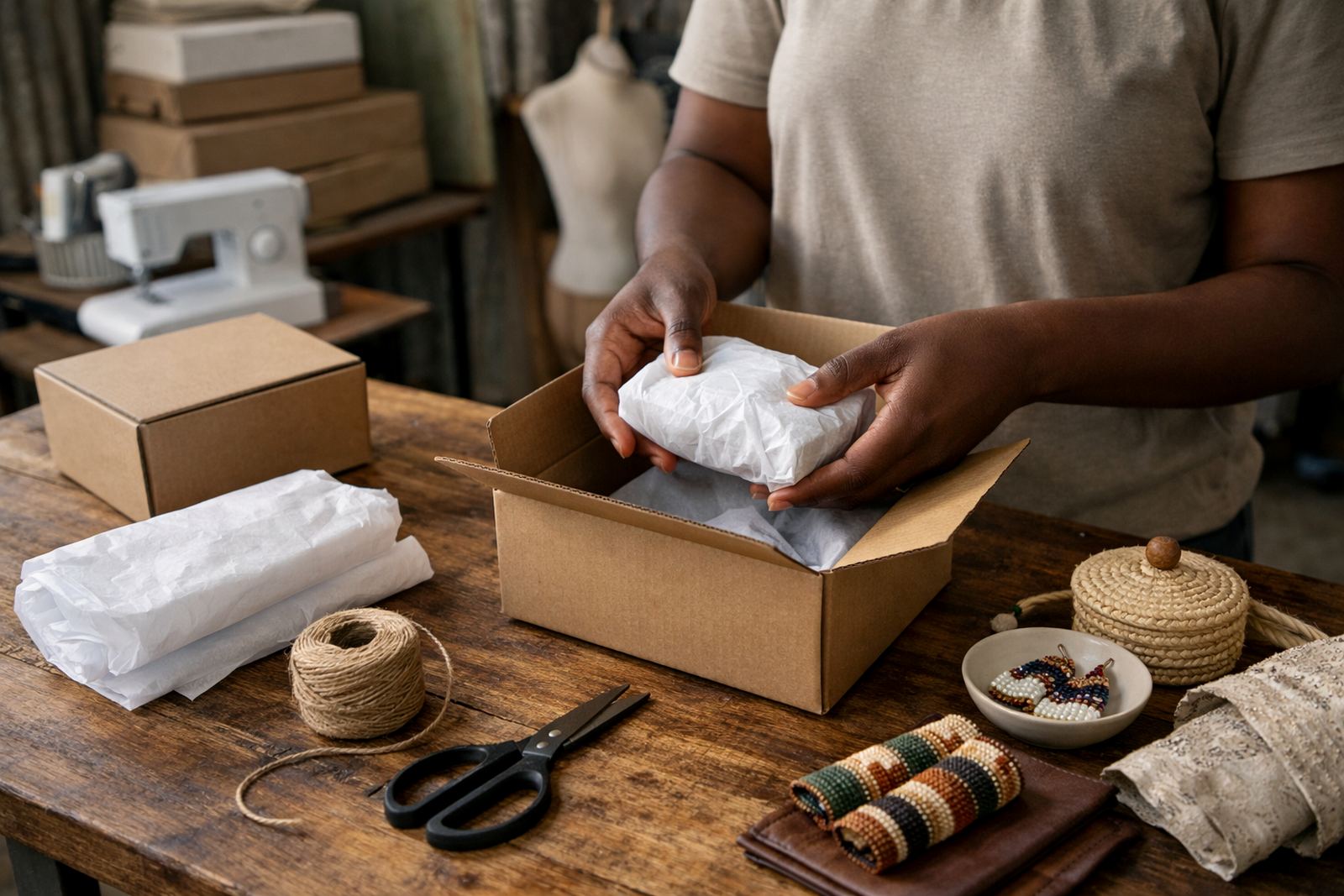
The shop sells handmade gifts, home décor pieces, beaded items, and small batch orders that go out to customers in Johannesburg, Cape Town, Durban, Pretoria, and Gqeberha. Before the project, courier bookings were done case by case and the team had to check prices, service times, and collection slots one by one. That slowed packing and meant a few orders sat waiting when the shop was busiest around month end and before holiday periods.
The brief was clear. The owner wanted one place to compare courier options, book pickups quickly, and keep the process simple enough for two staff members to handle on a busy day. The shop also needed a method that worked well with load shedding, since packing and dispatch work often had to continue on battery backup and mobile data. The main concern was not just price, but making sure parcels moved reliably and customers got clear delivery choices.
- Client type: handmade craft shop
- Town: Soweto, Johannesburg
- Coverage required: national delivery with major metro focus
- Main pain point: too much time spent on courier admin
The practical limits we had to work within
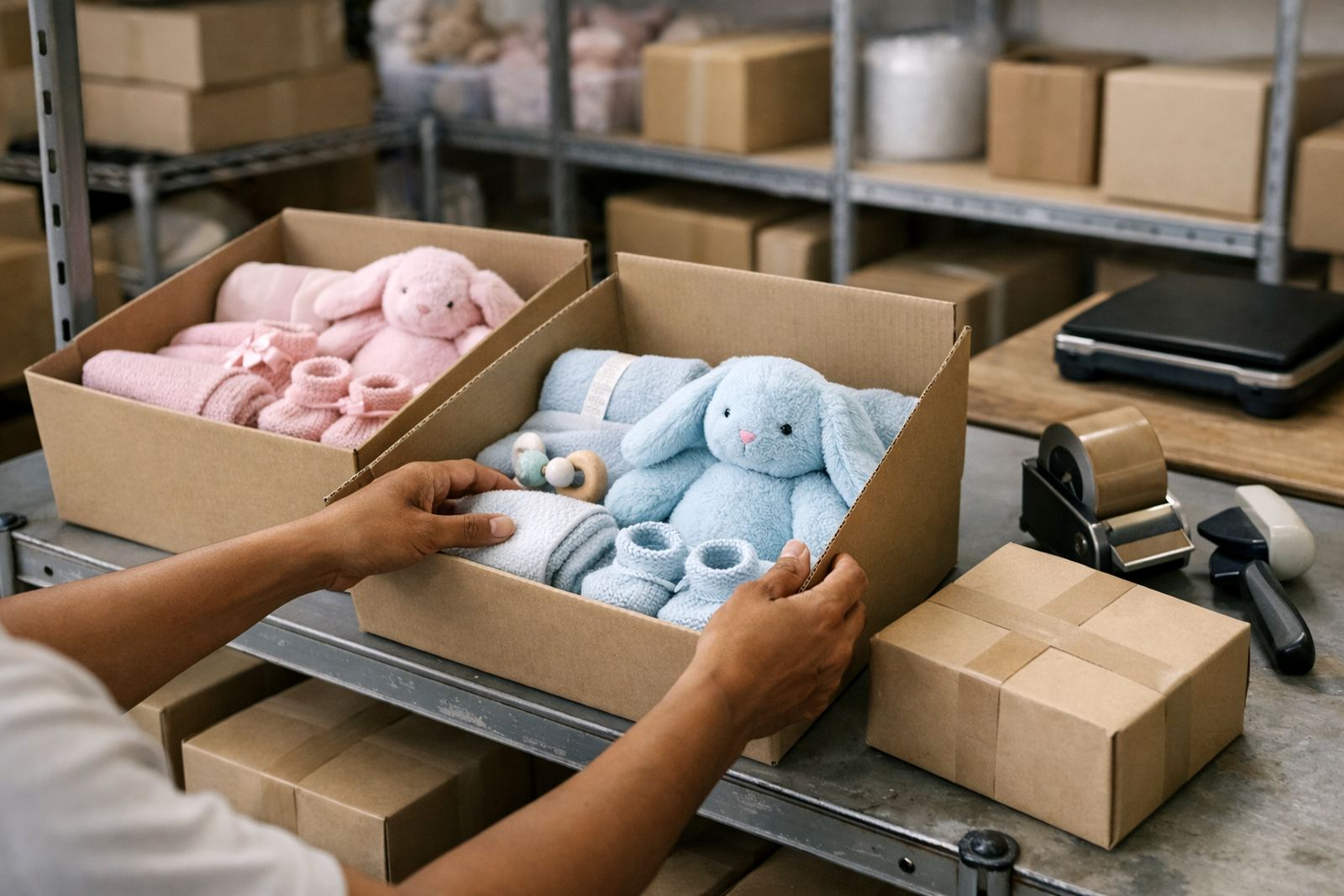
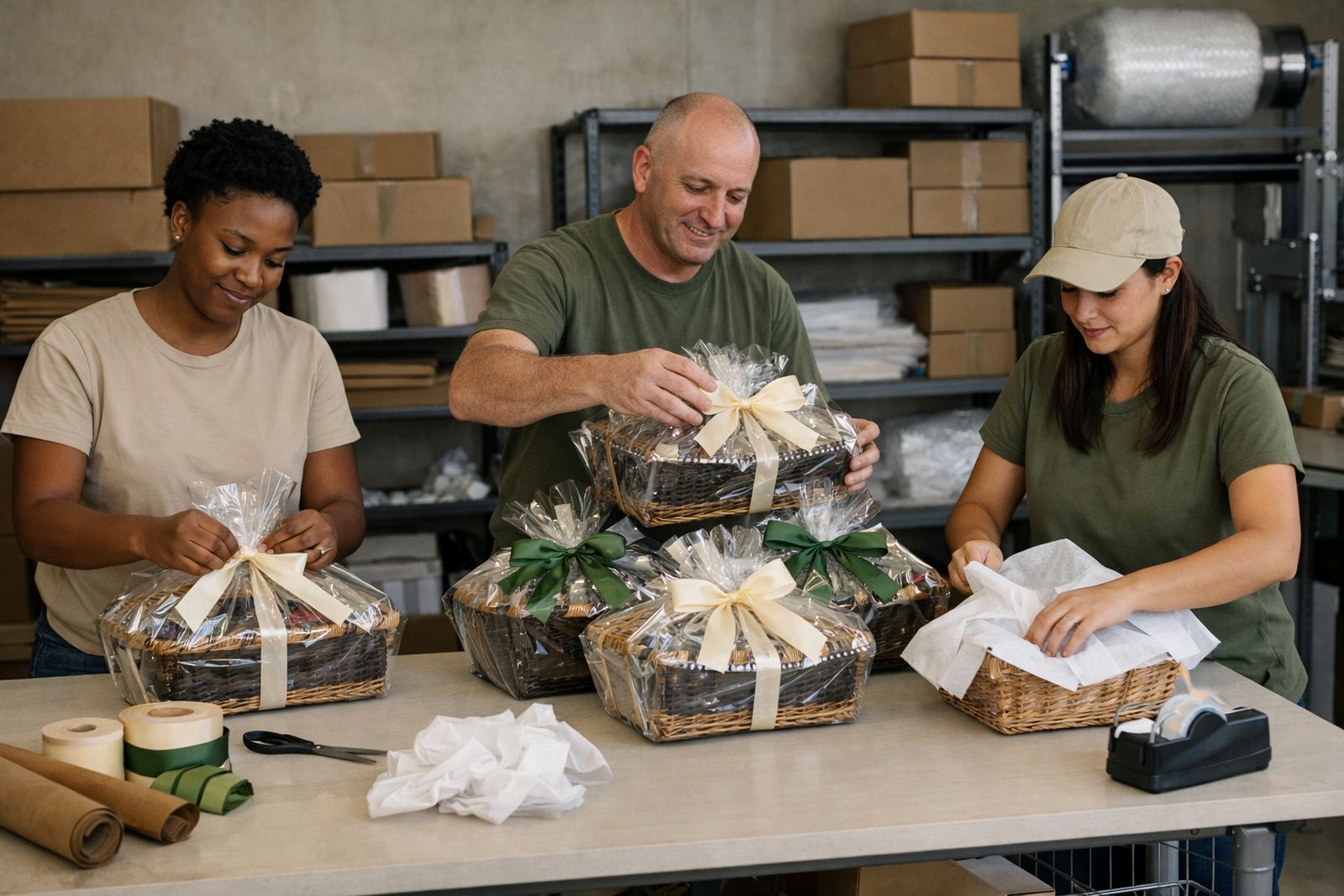
The shop does not run a large warehouse, so every step had to suit a small back room setup and a steady flow of parcels rather than pallet loads. Space was tight, packaging was done on ordinary shelving, and collection times had to fit around trading hours and customer walk-ins. We also had to factor in that craft items vary in size, from light envelopes to larger boxed sets that need extra padding and careful handling.
Another constraint was the customer base. Many buyers wanted economy shipping where possible, while others were willing to pay more for faster delivery if the item was for a birthday or event. That meant the booking process had to present the right options without confusing the team. We kept the setup focused on clear service choices, simple pickup booking, and straightforward tracking support, with no unnecessary steps.
- Small shop footprint with limited packing space
- Mixed parcel sizes and fragile handmade stock
- Need for both economy and express choices
- Owner and staff had to manage bookings quickly
How CourierThis set up the booking flow
We supplied a courier comparison and booking process that let the team review delivery options before confirming a pickup. The aim was to reduce admin, not add another layer to it. The shop could compare services for local and national shipments, then book a collection when it suited the day’s dispatch list. For a business that ships a few parcels some days and many on others, that flexibility mattered.
We also set up guidance around delivery options, returns collections, and multi order processing so the team could deal with more than one order at a time without starting from scratch. This helped when the shop had a small market after weekend trading and needed to send out many parcels on Monday. The workflow was built to support the team in the background, while they stayed focused on packing, labelling, and customer service.
- Courier Comparison
- Pickup Booking Service
- Local Delivery Booking
- National Delivery Booking
- Returns Collections
- Multi Order Processing
What the first few weeks looked like
The rollout took 3 weeks from first briefing to active use. In week 1, we mapped the shop’s order pattern, typical parcel sizes, collection times, and the most common delivery destinations. In week 2, we set up the booking process and aligned it to the way the shop already packed orders, so staff did not have to change their entire routine. In week 3, we tested the flow with real orders and fine tuned the admin steps so they could move from quote to pickup booking in fewer steps.
That early testing showed where the shop lost time before. Most delays were not from delivery itself, but from the back and forth around price checks, pickup timing, and which service to choose for a particular parcel. Once those decisions were easier, dispatch became steadier and fewer orders were left waiting for the next day. The team said the change was especially helpful on days when electricity interruptions interrupted normal office rhythm and they had to work faster between power cuts.
- Timeline: 3 weeks
- Testing included live parcel scenarios
- Adjusted for small team working patterns
- Built around local trading and dispatch hours
Results after the shop settled in
After the first run-in period, the craft shop had a clearer way to get parcels out the door and across the country. The owner no longer needed to spend as much time phoning around or comparing each shipment manually. That saved time on the floor and gave the team a more predictable way to manage customer orders, especially for items that needed quick turnaround before events or gifting dates.
The shop also reported better control over delivery decisions. Instead of guessing which service to use, the team could weigh price against speed and pick the right option for the order. That helped with customer trust too, because buyers could be offered delivery choices that matched the item and the budget. For a small business in Soweto, that kind of control can make a real difference to repeat orders and day to day admin.
- Less time spent comparing courier rates manually
- Faster booking of collections for outgoing parcels
- Clearer choice between economy and express shipping
- Better handling of multi order dispatch days
What we would do again for a similar shop
We would repeat the same approach for any small online shop that ships handmade goods, gifts, or mixed parcel sizes from Soweto or anywhere else in South Africa. Start with the order pattern, look at the common destinations, then build the booking process around how the shop already works. That keeps the system practical and avoids making staff learn a new routine that slows them down.
We would also keep the admin side simple. A small shop does not need bulky procedures, it needs a clear way to compare delivery options, book a pickup, and keep orders moving. For a business handling fragile stock, we would again prioritise return collections, tracking support, and shipping admin support so the team can keep customer updates neat and accurate. That matters when you are packing in a tight space, working around load shedding, and trying to get orders out on time without extra noise in the process.
- Begin with actual parcel volumes and destinations
- Keep the booking steps short and clear
- Support returns and tracking from the start
- Fit the process to a small team, not the other way around
Key facts
| Project type | Courier comparison and pickup booking support |
|---|---|
| Client location | Soweto, Johannesburg |
| Turnaround time | 3 weeks |
| Service focus | National and local delivery bookings |
| Business type | Handmade craft shop |
| Key outcome | Less courier admin and quicker dispatch |
| Base area | Woodmead, Johannesburg |