When book orders start coming in every day
Book sellers often move a mix of single paperbacks, gift sets and heavier boxed orders. That means you need a courier setup that can handle day to day local drops in Johannesburg as well as national deliveries to Pretoria, Cape Town, Durban and Gqeberha without turning every parcel into a phone call and spreadsheet exercise.
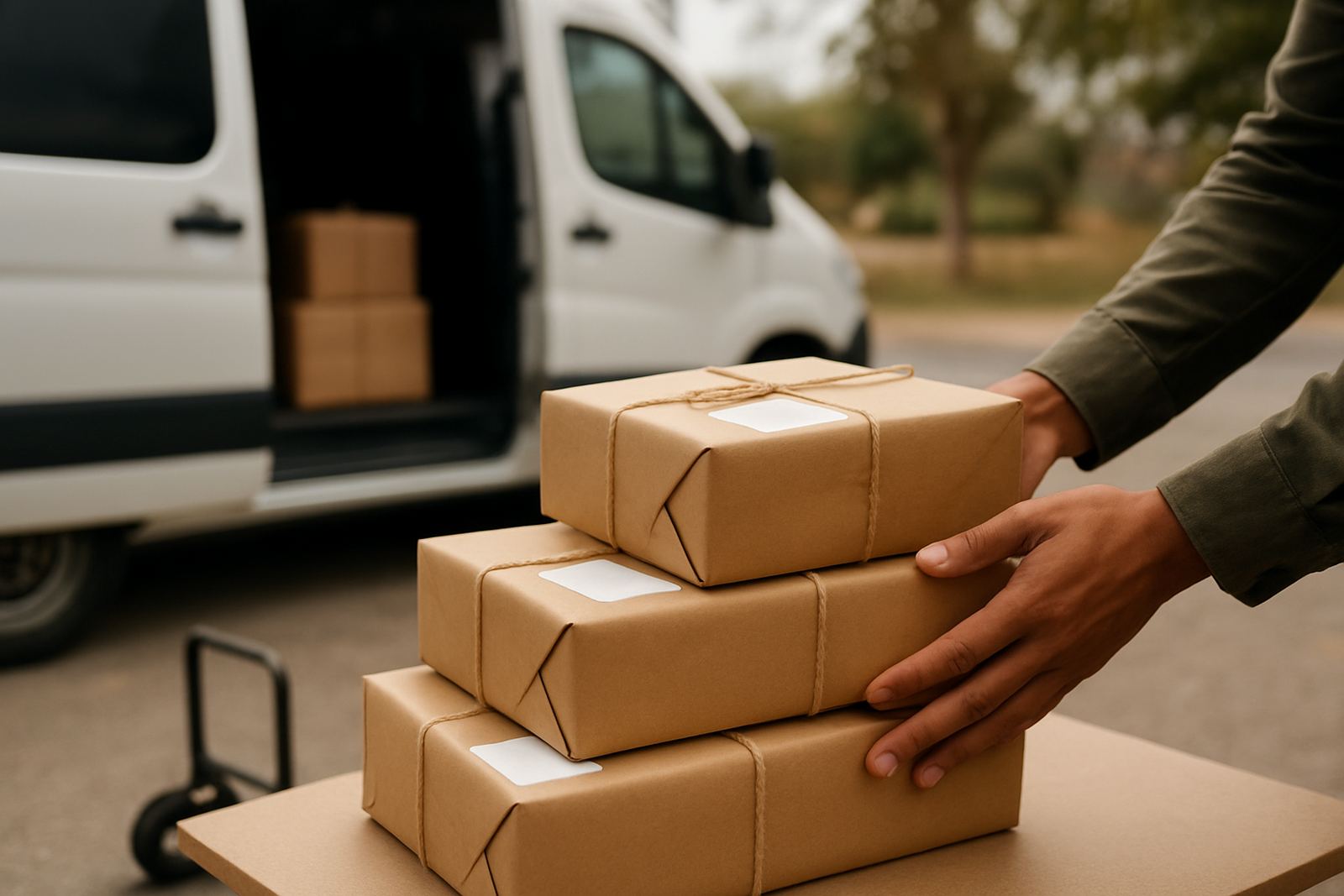
CourierThis suits small shops that want to keep the packing table moving. Instead of checking several courier options one by one, you can compare prices, delivery times and service types in one place, then book pickup when the order is ready. That helps when your stock room is in Woodmead, your packer works part time, and orders still need to go out before the afternoon collection cut off.
- Helpful for fiction, school books, study guides and small gift items
- Works for both local handovers and national shipments
- Useful when you need economy shipping for bulk orders and express shipping for urgent parcels
Typical packing and dispatch setup for a small book shop
Most book shops do not need heavy machinery or a complicated dispatch area. A clean packing table, a label printer, weighing scale and shelves for sorted stock are usually enough. If your shop runs through load-shedding, a small backup power solution for your internet router and printer can keep collections moving and avoid missed bookings.
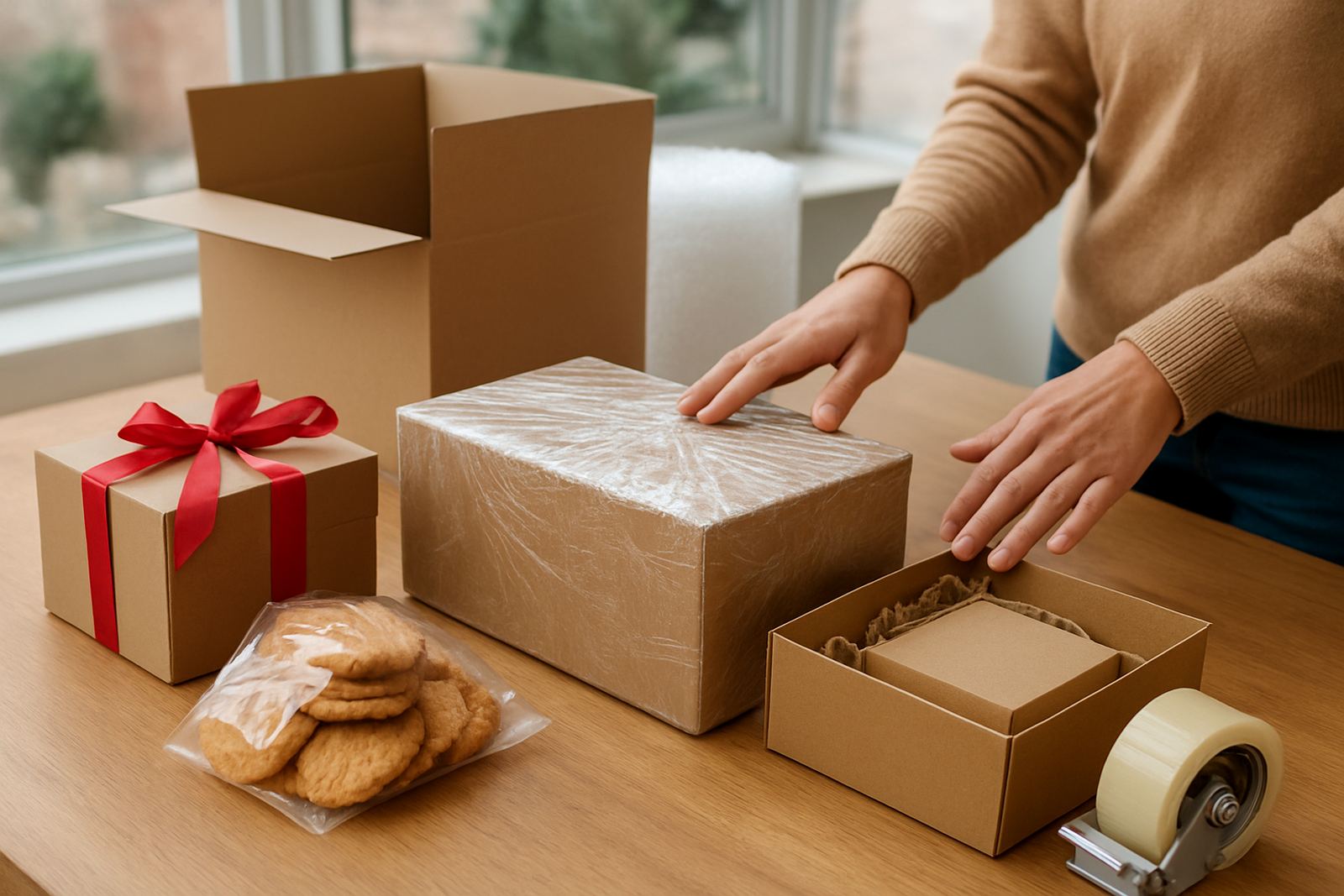
For books, the real issue is damage. Corners get bent, covers scuff, and moisture can creep in on humid coastal routes or during rainy Gauteng afternoons. Strong cardboard mailers, bubble wrap and waterproof outer sleeves help protect the order, especially when sending to coastal areas like Cape Town or Gqeberha where damp air is common.
- Digital weighing scale for parcels up to 5 kg or 10 kg
- Roll of labels and packing tape for daily use
- Cardboard mailers, padded envelopes and corner protection
- Simple shelf space for ready to collect orders
How to plan your order flow without slowing the shop
A book business works best when order handling is simple. Keep a clear split between stock waiting to be packed, parcels booked for collection and items already dispatched. If you sell both single books and multi item bundles, it helps to group orders by destination first, then by courier service level. That saves time when the day gets busy and the courier window is tight.
CourierThis is built for small online shops that want to choose the right option quickly. You can use it for pickup booking, delivery option guidance, tracking support and shipping admin support. If you are onboarding a new assistant or taking over from a manual process, it makes the shipping routine easier to repeat every day.
- Separate urgent orders from normal parcels before booking
- Keep address checking strict, especially for flat numbers and estate access rules
- Use tracking updates so buyers know when to expect delivery
Common mistakes book sellers make with couriers
One common mistake is underestimating parcel weight. A stack of hardbacks can move you into a higher rate band very quickly, and the final courier price may not match your first guess. Another issue is using the same service for every order, even when some parcels need economy shipping and others need express shipping. That can push costs up without improving the customer experience.
Missing details also cause delays. If the buyer leaves out suburb names, estate access notes or a correct contact for delivery, drivers can run into problems at the gate. In Johannesburg and Pretoria, this is especially common with office parks and secure estates. For rural or outlying deliveries, it is worth checking service coverage before confirming the sale.
- Booking before checking parcel dimensions
- Using weak packaging for books with dust jackets or soft covers
- Ignoring delivery cut off times for same day collection
- Forgetting return collection rules when a parcel comes back
Budget ranges for small book shop shipping
Shipping costs depend on parcel size, route and service level, but small book shops usually need a simple monthly allowance for packaging and courier fees. For a modest operation sending a few orders a day, packaging might run from about R500 to R2,500 per month. Courier spend can start around R1,500 to R6,000 for light local movement, then rise if you send many national parcels or use express delivery often.
If your shop ships larger orders, bundles or school term stock, set aside more. A practical working budget for a growing online book seller may sit between R5,000 and R15,000 per month once you include packaging, courier charges and the odd return collection. The key is to watch average parcel cost, because one oversized shipment can change your margin on a whole batch of orders.
It also helps to budget for admin time. Even a good courier setup still needs order checks, labels and tracking follow up. For a small team in Woodmead or Midrand, saving an hour a day can matter just as much as saving a few rand per parcel.
A practical setup for steady local and national deliveries
Book shops do not need a complicated courier process to work well. They need a clear routine, accurate parcel data and a booking tool that handles pickups without fuss. With the right flow, a small seller can send a same day Johannesburg parcel in the morning, then line up national orders for the afternoon collection and keep customers informed along the way.
CourierThis gives small online shops a clean way to compare options, book pickups and manage shipping admin from one place. For book sellers, that means less back and forth and more time spent packing orders, checking stock and serving repeat buyers.
- Good for small shops with steady daily orders
- Useful for local deliveries and national coverage
- Helpful when you want better control over courier choice and cost