What the Cape Town store needed
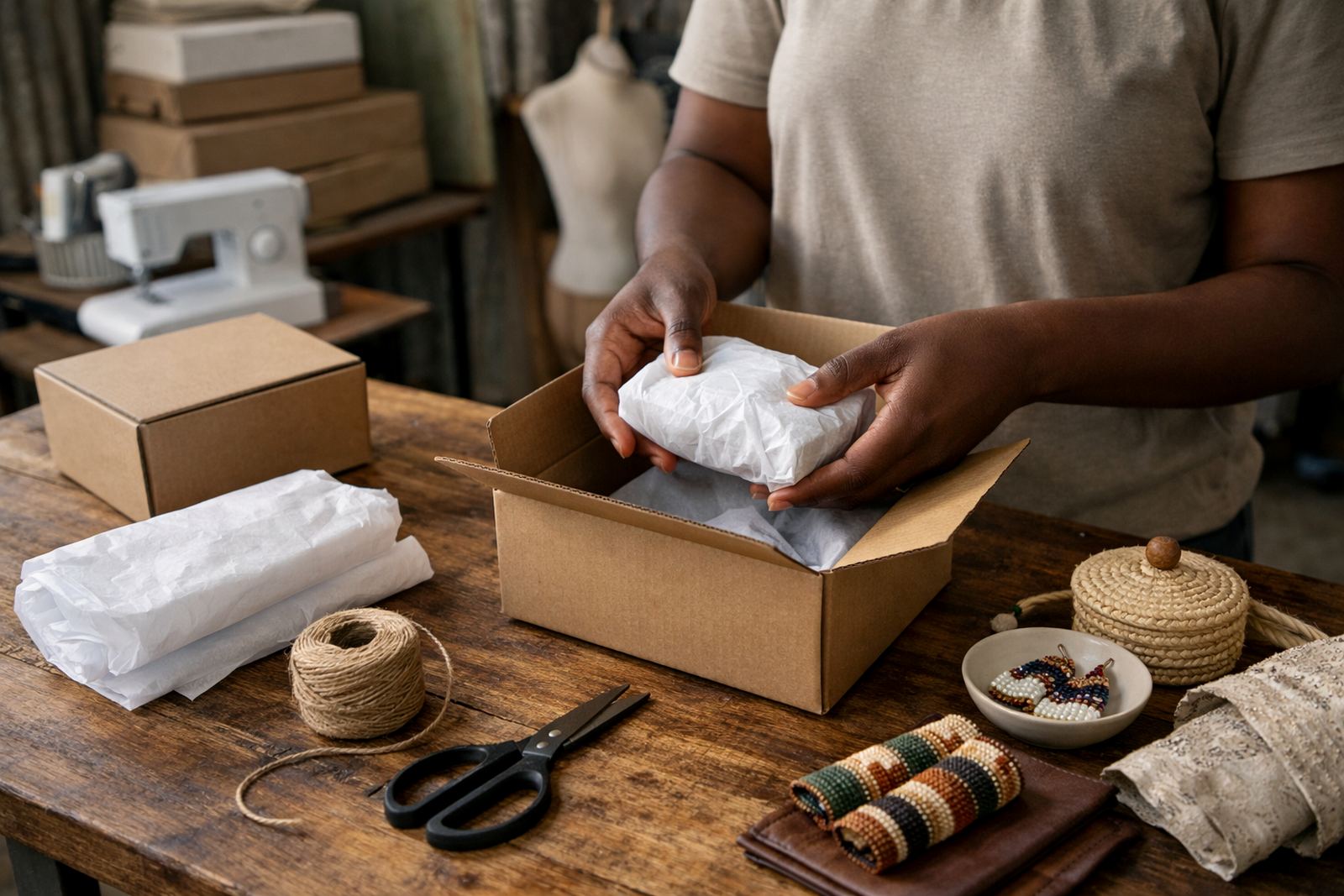
The client was a stationery store in Cape Town handling a steady mix of notebooks, pens, printer paper, filing items and small office accessories for online buyers across South Africa. Their team was spending too long entering the same parcel details over and over, which slowed the packing bench and made it harder to book pickups before courier cut-off times.
The brief was simple on paper: reduce admin, get more orders out the door each afternoon, and keep courier choices clear for the team member who handled dispatch. They also wanted a process that would cope with school season, month-end spikes and the usual Cape Town weather changes, where damp air can affect packaging if parcels sit open too long.
- Client type: retail stationery store
- Town: Cape Town
- Order mix: lightweight stationery, paper goods and small office supplies
- Goal: faster parcel creation and fewer booking errors
The constraints we worked around
Like many small shops, the team did not have a full-time dispatch clerk. One person often handled packing, stock counts and customer queries all at once, so the booking flow had to be quick and easy to train. The store also needed a method that would work during load-shedding and irregular internet moments, because delays at the wrong time can push a same-day pickup into the next courier run.
Another constraint was parcel variety. Some orders were flat packs of exam pads and files, while others were mixed baskets with pens, correction fluid and staplers. If the same dimensions were typed in each time, mistakes crept in and courier pricing became inconsistent. The client wanted fewer manual steps and a cleaner way to sort common order types.
- No dedicated dispatch person
- Mixed parcel sizes from flat packs to small boxed orders
- Need for quick booking during busy trade periods
- Better control over cut-off times and collection timing
What we supplied and set up
CourierThis helped the team build a set of saved parcel profiles for their most common shipments. Instead of re-entering the same weight, size and service preferences for every order, they could pick a standard profile and move straight to the courier comparison step. That made the packing line more consistent and cut down on avoidable typing errors.
We also set up a practical booking flow around their real order mix. The store could compare economy and express options side by side, check collection timing and then confirm the pickup in a few steps. For returns collections and redelivery situations, the team had a clear process instead of handling those jobs separately by memory.
- Saved parcel profiles for common stationery orders
- Courier comparison for economy and express deliveries
- Pickup booking for daily dispatch runs
- Returns collections and multi order processing support
Timeline and rollout over 3 weeks
The rollout took three weeks from first review to steady use. Week one was spent mapping the store's common parcels and working out which items were repeated often enough to deserve saved profiles. Week two focused on setting up the booking routine and checking that the team could move from packed parcel to confirmed collection without backtracking.
By week three the store was using the new process on live orders. The staff member on dispatch could compare options, book pickups and hand over collection details without having to rebuild every shipment from scratch. That mattered on busy afternoons when the packing table had a stack of orders waiting and courier timing was tight.
- Week 1: parcel mapping and profile planning
- Week 2: booking flow setup and staff familiarisation
- Week 3: live use on daily orders
Results after the first month
Once the team settled into the new process, packing moved faster and the handover between packing and booking became much smoother. Saved parcel profiles reduced repeat admin, which meant more time for checking stock, printing labels and answering customer queries before the end of the day. The store also reported fewer booking mistakes because the common sizes were already stored.
For a stationery business, that kind of improvement is practical rather than flashy. When a parcel is a standard size and the same product range goes out every day, the real win is consistency. The team found it easier to manage same-day collections and to keep national orders moving without unnecessary delay, even when the shop was busy and the weather was not helping.
- Faster packing flow on repeated order types
- Fewer manual errors in parcel details
- Clearer courier choices for standard and urgent orders
- Better control over daily dispatch timing
What we would do again for a similar store
If we were setting this up again for another Cape Town stationery retailer, we would start with the most common order patterns first, not the full catalogue. The fastest gains usually come from the top ten parcel profiles, because those are the ones that get packed every day. We would also keep the process simple enough for a small team to use during load-shedding, with as few steps as possible between order packed and pickup booked.
For stores with mixed stock, we would recommend reviewing parcel profiles every few weeks, especially after seasonal spikes or back-to-school trading. That keeps the saved sizes accurate and avoids the trap of using one old parcel rule for every order. It is a small habit but it saves time and keeps the courier booking side tidy.
- Start with the most common parcel types first
- Review saved profiles after seasonal demand changes
- Keep the booking flow short for small teams
- Match courier options to real dispatch patterns, not guesswork
Key facts
| Project type | Courier comparison and pickup booking support |
|---|---|
| Client type | Cape Town stationery store |
| Location | Cape Town, Western Cape |
| Timeline | 3 weeks from planning to live use |
| Key feature | Saved parcel profiles for common orders |
| Main outcome | Quicker packing and fewer booking errors |