What the Pinetown team needed from courier booking
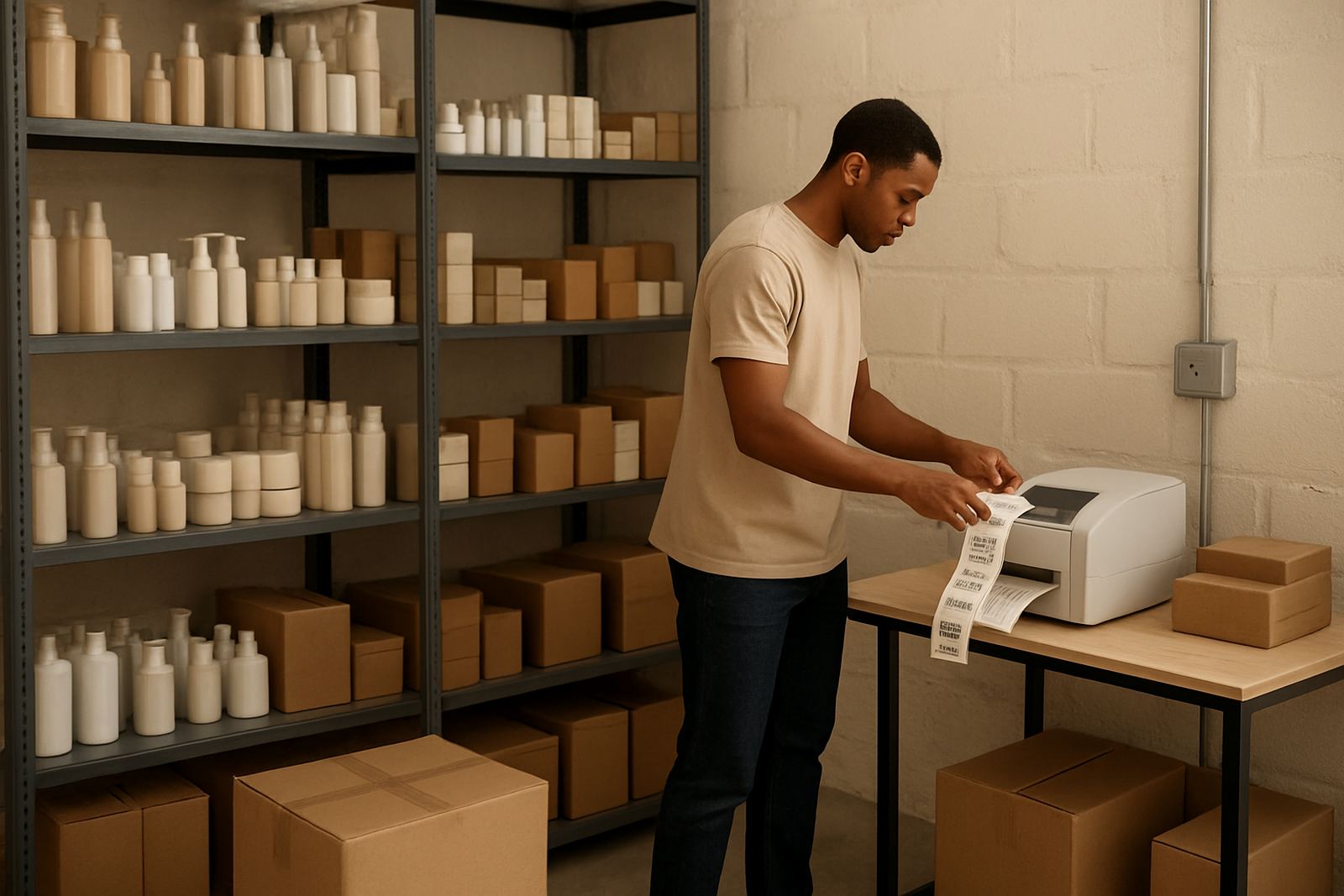
The client was a small wellness shop in Pinetown handling regular outbound parcels for supplements, personal care items, and small repeat orders. Their challenge was not volume alone, it was the time spent checking courier prices, comparing delivery windows, and matching the right service to each parcel run.
They wanted a simple way to book pickups without phoning around, and they needed clearer cost checks before confirming orders. Because many parcels left during busy trading hours, the process had to be quick enough for a shop floor team to use in between customers.
- Town: Pinetown, KwaZulu-Natal
- Business type: wellness and health retail
- Main need: compare courier rates before booking
- Common routes: Durban, Johannesburg, Pretoria, Cape Town and Gqeberha
- Use case: frequent parcel runs with small, mixed-size orders
Brief, constraints, and day-to-day realities
The brief was practical. The store needed courier comparison for small online shop orders, pickup booking for same day and next day collections, and support for both local and national deliveries. They also needed help deciding when to use economy shipping and when express was worth the extra Rand.
The main constraints were time, staff availability, and inconsistent order sizes. On some days they had one parcel, on other days there were several small cartons and return items waiting for collection. Load-shedding also affected when the team could do admin, so the process had to work fast when the power was on.
- Need to compare prices without long back-and-forth
- Need support for returns collections too
- Need shipping admin kept simple for a small team
- Need a process that suits busy retail hours and fluctuating order count
What CourierThis set up for the store
We set up a repeatable booking flow that let the team check courier options, confirm the best fit, and submit a pickup booking in one place. That reduced the amount of manual admin tied to every shipment and made the pricing checks easier to explain internally.
We also guided the team on parcel readiness, collection cut-off planning, and how to separate economy and express shipments by urgency. For a health shop, this matters because some orders are straightforward local drops while others need stronger tracking support and firmer delivery timing.
- Courier comparison for each booking
- Pickup booking for local and national parcels
- Delivery option guidance for economy vs express
- Returns collections for customer exchanges
- Tracking support for outbound parcels
Timeline and rollout over three weeks
The rollout took three weeks from first briefing to daily use. Week one was about understanding how the shop packed parcels, when collections were most reliable, and what destinations were coming up most often. Week two focused on booking flow and rate checking. Week three was used to tighten up the admin steps and make sure the team could process repeated bookings without confusion.
The pace suited the store because it allowed them to keep trading normally while the courier process was being shaped around their routine. There was no need for a long handover, just a clear method and a few test runs. By the end, the staff could handle bookings with less uncertainty and fewer follow-up calls.
Results seen after the first month
After the first month, the shop had a clearer view of what each shipment was likely to cost before committing to a booking. That helped them avoid guesswork and made it easier to decide which orders could go economy and which needed express. The result was less admin pressure at peak trading times and more confidence in every dispatch.
They also found that repeat parcel runs became easier to plan. Instead of handling each order as a one-off, the team used the same booking pattern for most shipments, which saved time and reduced mistakes. Even during a few load-shedding interruptions, the process stayed manageable once the team had their checklist in place.
- Faster cost checks before each booking
- Less time spent comparing options manually
- Cleaner handling of returns and repeat shipments
- Better planning for busy trading days
Specs and facts from the project
The project was built around a small retail operation with steady outbound orders rather than a warehouse model. It suited a store that sends parcels most weeks and needs a quick way to book pickups without building a separate admin process.
Key facts from the job are below.
What we would do again for another Pinetown shop
If we were setting this up again for another Pinetown retailer, we would keep the same simple approach: start with the actual parcel pattern, define the urgent shipments first, and then build the booking routine around the busiest hours. That keeps the system practical for staff who are also serving customers on the floor.
We would also keep the guidance grounded in real delivery needs rather than trying to use one courier option for everything. For a small health shop, the best setup is usually the one that gives a clear rate check, reliable pickup timing, and less admin after each sale, not the fanciest process on paper.
- Start with the most common parcel sizes and destinations
- Separate urgent orders from routine shipments
- Keep the booking steps short enough for daily use
- Train one or two staff members properly, then repeat the same method
Key facts
| Client type | Pinetown wellness store |
|---|---|
| Location | Pinetown, KwaZulu-Natal |
| Timeline | 3 weeks |
| Core services used | Courier Comparison, Pickup Booking Service, Local Delivery Booking, National Delivery Booking, Returns Collections |
| Typical route mix | Durban, Johannesburg, Pretoria, Cape Town and Gqeberha |
| Key outcome | Clearer cost checks and faster parcel booking for frequent shop deliveries |