Randburg shop profile and the delivery problem
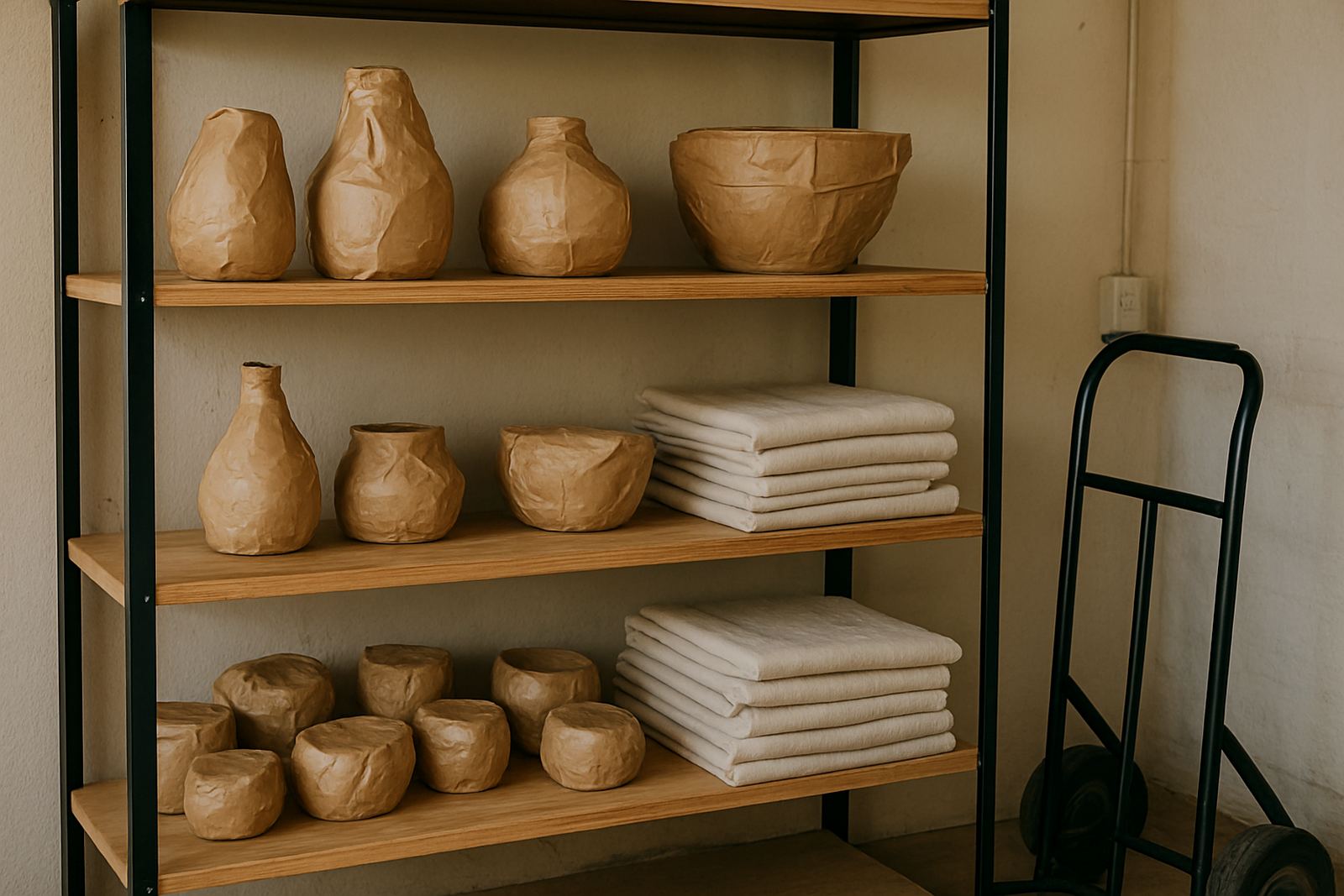
The client was a homeware retailer in Randburg serving walk in shoppers and online buyers across Johannesburg and beyond. Their orders were varied and often tricky to hand over, with candles, ceramics, glass bowls, planters and soft furnishings all going out in the same day. Some parcels could travel as standard boxes, while others needed more careful handling and quicker collection times.
The team was losing time phoning around for quotes, then trying to match each order to the right service after the fact. That caused confusion on shipping costs, slower dispatch on busy days and a few awkward customer calls when a fragile item arrived later than expected. They wanted a simple way to see options upfront, compare delivery times and book pickups with less back and forth.
They also needed a process that would suit a small retail team, not a full logistics department. The store worked with limited back office hours, occasional load shedding and a mix of counter sales and online orders, so the courier process had to stay clear and quick.
Brief, constraints and what the shop needed fixed
The brief was practical: give the team a quicker way to compare courier choices, reduce guesswork on mixed fragile orders and make pickup bookings easier to manage. They did not want a long training cycle or a complicated admin setup. They wanted something the floor staff could use between serving customers and packing orders.
There were a few real constraints. The shop needed to keep shipping costs visible before confirming an order, because margin on homeware can get tight fast. They also needed support for both local deliveries in Gauteng and national orders to other provinces, with clear options for economy and express services. Packing quality mattered too, because broken ceramics or chipped glass can turn a profitable sale into a loss very quickly.
- Mixed product types: fragile, soft goods and light decor in one order
- Need for both same city and national delivery choices
- Small team with limited time for quoting and rebooking
- Customer updates needed to stay simple and consistent
What CourierThis supplied for the Randburg operation
CourierThis set up a process that let the retailer compare courier options quickly before confirming each booking. The team could review delivery types, cost differences and likely turnaround times, then choose the best fit for each parcel rather than forcing every order into one method. That was especially useful for items that needed more careful handling or a faster handover.
We also supported their daily booking flow so pickups could be arranged with less admin. That included local delivery booking for Randburg and wider Johannesburg, plus national delivery booking for customers outside Gauteng. Where a customer was not in a hurry, the shop could use economy shipping. For birthday gifts, housewarming orders or time sensitive replacements, express shipping was available as a cleaner option.
To help the team keep things steady, we included returns collections, tracking support, shipping admin support and multi order processing. The staff also received guidance on how to choose between options for fragile items, which took some pressure off the counter and reduced second guessing. It was simple work, but it saved time on busy mornings and kept dispatches moving, even when the power cut out for a bit.
- Courier comparison before booking
- Pickup booking for local and national parcels
- Tracking support for customer follow ups
- Returns collections for damaged or unsuitable items
- Multi order processing for batch dispatches
Timeline, setup and how the rollout worked
The project ran over three weeks from first review to live use. Week one focused on mapping the retailer’s usual order types, their packing process and the delivery zones they served most often. Week two was used to refine the booking flow, the courier choice rules and the handover steps for staff. Week three covered live use, small adjustments and checks on the admin process.
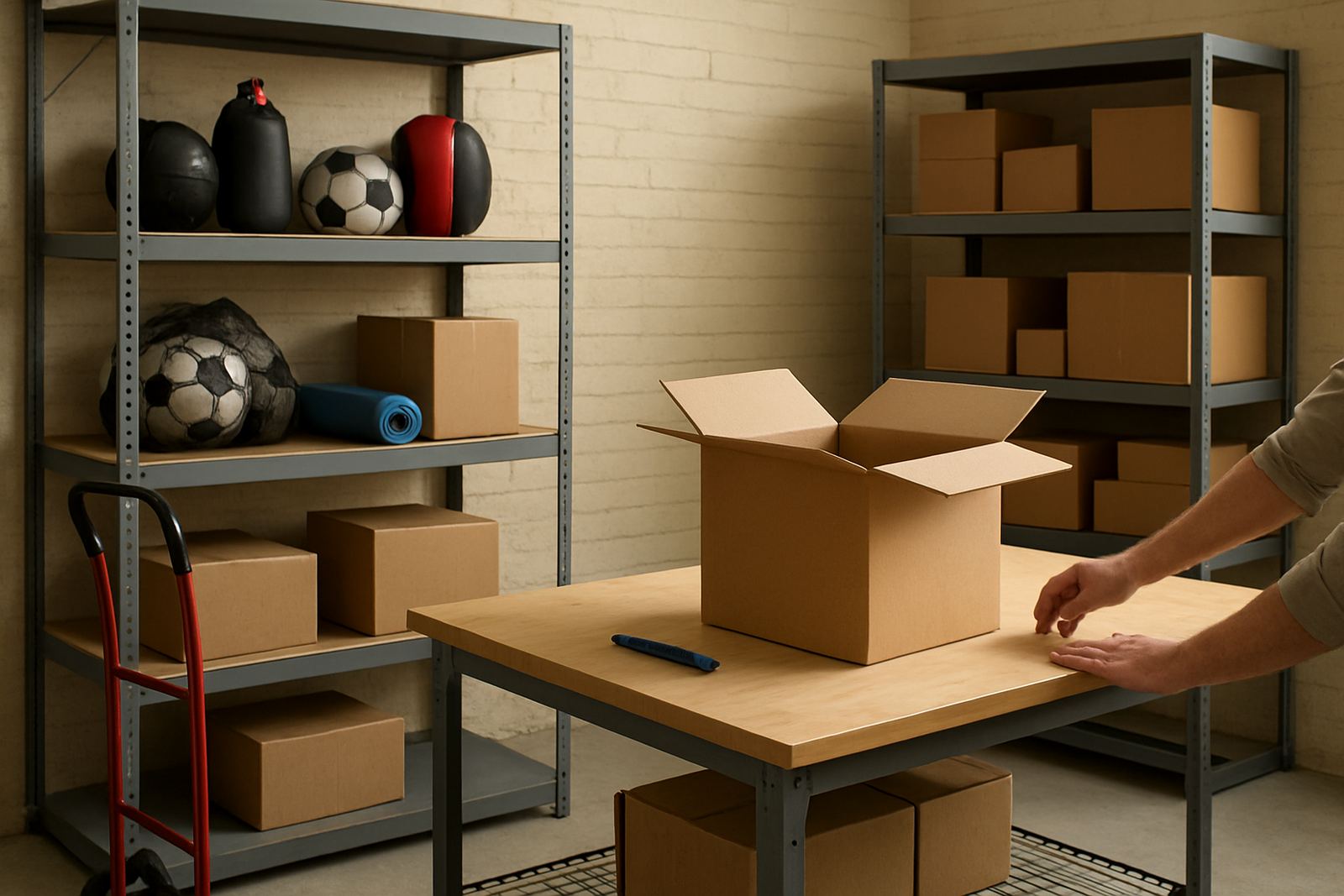
Because the business was already trading every day, the rollout had to fit around normal store hours. We kept the process direct, with short steps that could be handled by a sales assistant or the person packing orders. That mattered in Randburg, where many small shops are busy enough without adding another layer of admin.
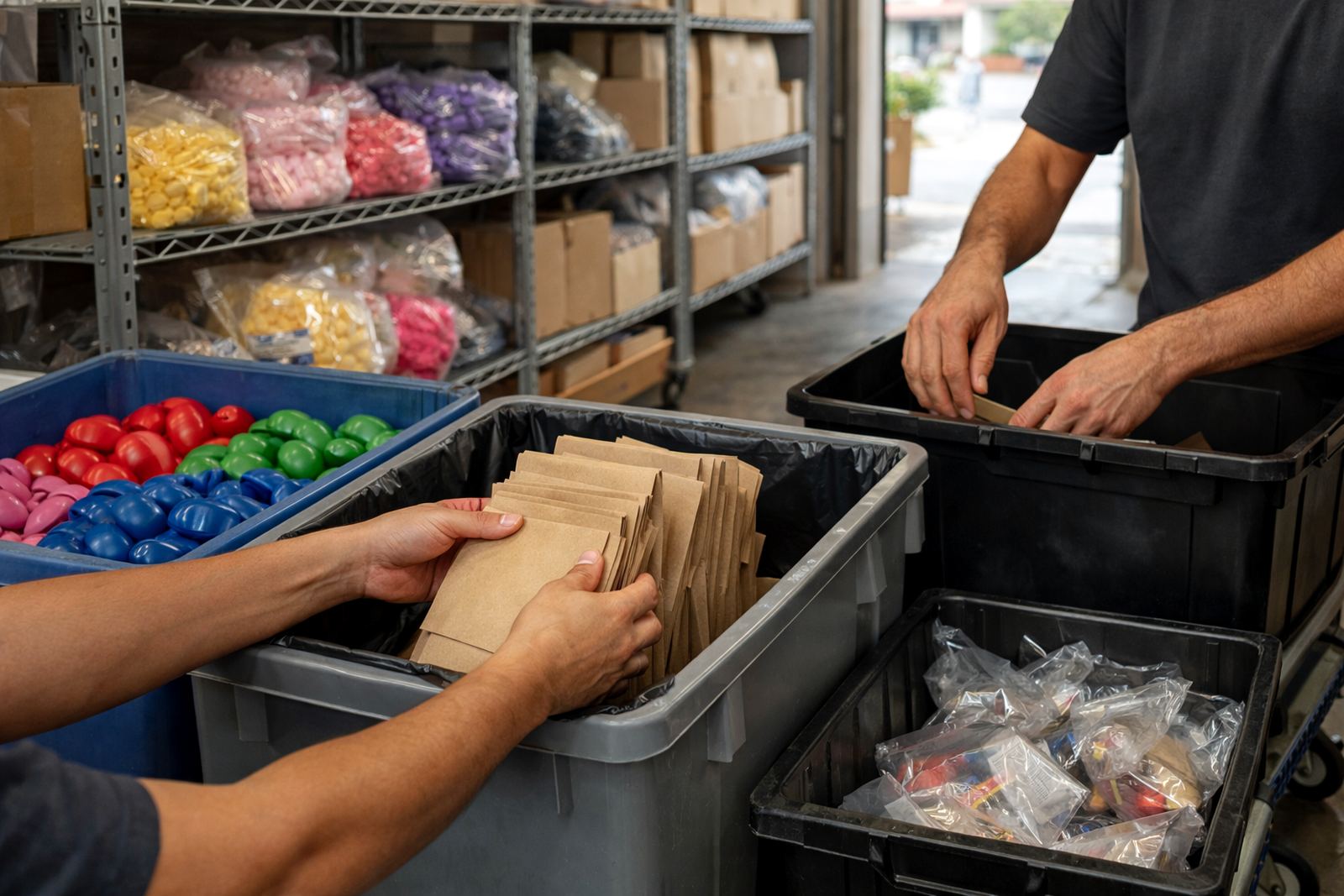
We also tested how the process worked when the shop had a cluster of orders after a weekend or a promo run. The goal was to make sure several parcels could be handled in one go, without mixing up labels, collection times or delivery expectations. That part was important, and it held up well under normal trading pressure.
Results seen in day to day use
Once the team had a clearer comparison process, they spent less time chasing courier answers and more time processing orders. The biggest change was that shipping choices became easier to explain to customers. Instead of guessing which service would suit a fragile parcel, staff could check the options and give a direct answer with the price and expected timing.
The retailer also reported fewer delivery related backtracks. When the correct service was chosen earlier in the process, there were fewer last minute changes and less rework on labels and collections. That helped them keep orders moving through the week, especially when the shop was juggling in store sales and online orders at the same time.
For the customer, the experience felt tidier. They got clearer choice, better timing and less confusion about what happened after checkout. For the store, that meant less stress on the team and fewer calls asking where a parcel was or why the shipping fee changed. It sounds small, but in a busy retail operation those details matter a lot.
- Quicker courier selection on mixed orders
- Clearer shipping costs before dispatch
- Less admin around follow up and rebooking
- Better handling of fragile item shipments
What we would do again for a similar homeware retailer
We would take the same approach again for another homeware shop, especially where the order mix includes fragile items, soft goods and repeat local deliveries. Start with the real packing routine, then build the courier choices around that. It keeps the process grounded in how the store actually works, not how a spreadsheet says it should work.
We would also keep the booking flow short and give the team a simple way to compare economy and express options without stopping service at the counter. A lot of small retailers in South Africa need that balance. They want reliable shipping, but they do not have time for a system that needs constant babysitting or extra training.
If there is one lesson from this Randburg project, it is that delivery admin should support sales, not slow them down. When the courier step is clear, the shop can focus on packing well, serving customers properly and getting parcels out the door on time, even during load shedding or a busy month end rush.
Key facts
| Client type | Randburg homeware retailer |
|---|---|
| Project focus | Courier comparison for mixed fragile orders |
| Location | Randburg, Johannesburg |
| Timeline | 3 weeks from review to live use |
| Services used | Courier Comparison, Pickup Booking Service, Local Delivery Booking, National Delivery Booking, Returns Collections, Tracking Support, Shipping Admin Support, Multi Order Processing |
| Key outcome | Faster shipping decisions and less delivery admin |