Built for clothing orders that change by the hour
Fashion shops rarely move the same parcel twice in the same way. One order is a single dress going to Pretoria, the next is three shirts and a return from Cape Town. CourierThis suits that pattern because it helps you compare courier options quickly, book a pickup for the right parcel count, and keep regular customer orders moving without phoning around each time.
For online clothing sellers in Johannesburg, Sandton, Midrand and beyond, the pressure is usually on speed and accuracy. Customers want clear delivery choices at checkout, and they want to know what happens when a size does not fit. That means your courier process needs to work for outbound deliveries and returns collections, not just one direction.
- Daily parcel bookings for standard customer orders
- Return collection support for exchanges and refunds
- Local and national delivery options for different basket sizes
- Tracking support for customers who ask where their parcel is
Typical setup for a small fashion operation
A small clothing business does not need a big warehouse to run properly, but it does need a tidy packing point and the right basics close at hand. Most sellers work from a room, a stock shelf system or a compact back office in Woodmead, Midrand or a home base with good loading access. The usual equipment set is simple and practical, and it keeps packing times down when orders come in after hours.
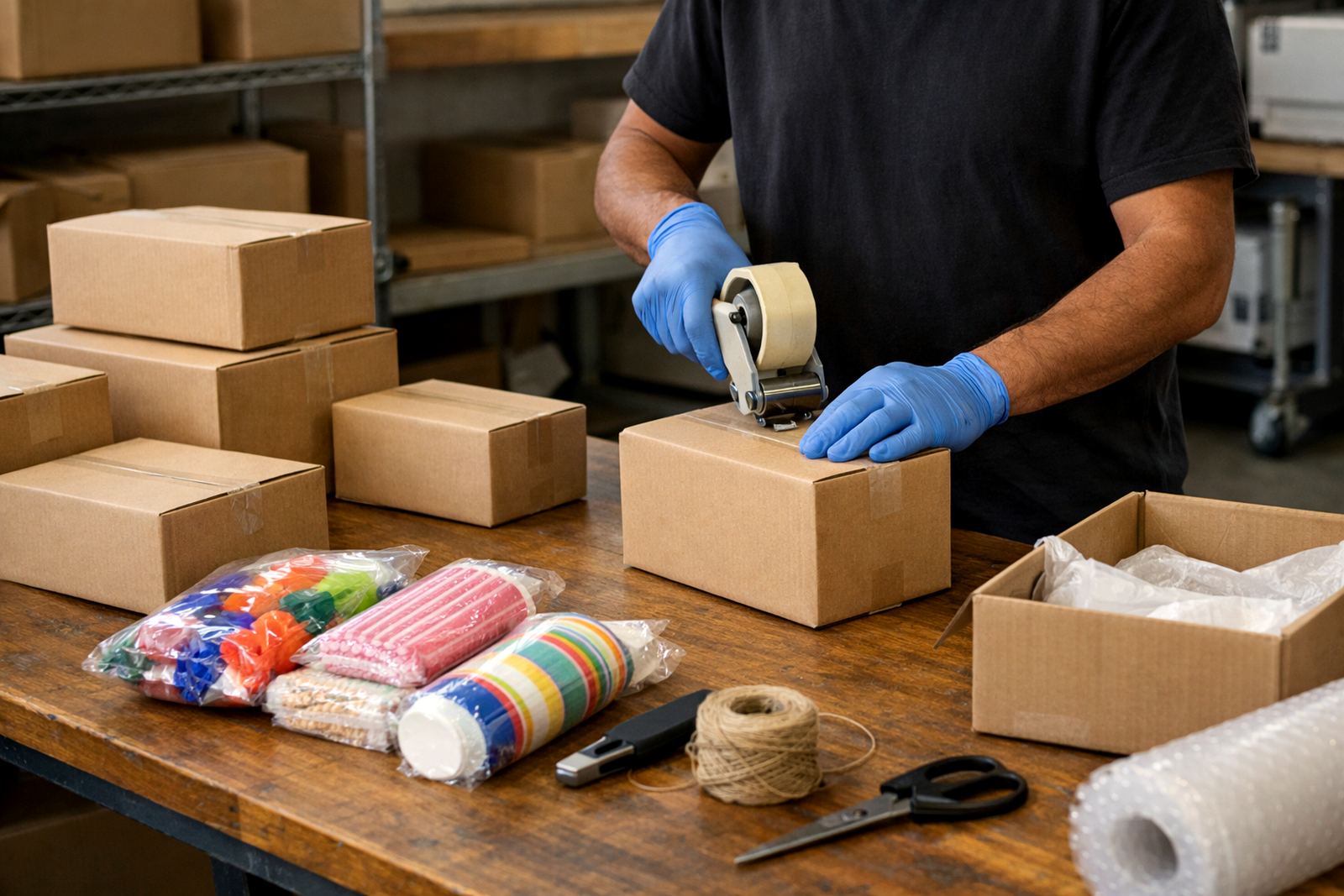
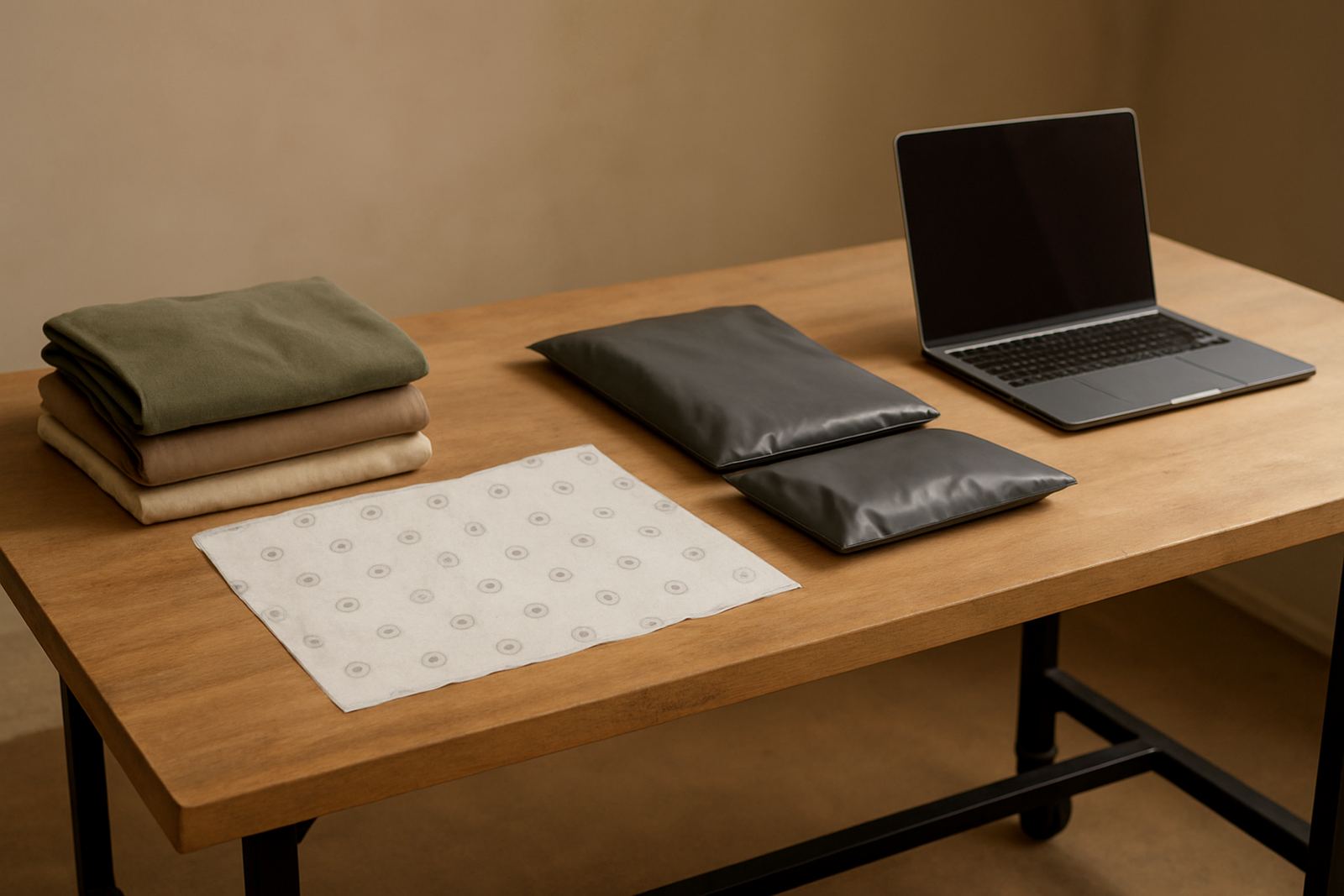
Common equipment for fashion fulfilment includes a label printer, a parcel scale, packing tape, mailing sleeves, cardboard mailers, poly bags, a scanner or phone for order checks and a shelf or rack for sorted stock. If you handle seasonal lines, you may also want garment bags, size stickers and a separate tray for returns that still need inspection. In summer, humidity can affect packaging and labels, so keep stock off the floor and away from open windows when you can.
- Parcel scale for weight-based courier pricing
- Label printer or clear label sleeves for printed waybills
- Strong mailers for folded garments
- Separate tubs or shelves for new orders, pick ups and returns
Layout choices that save time on busy packing days
The best layout for a fashion shop is one that keeps the packing flow in one direction. Start with stock picking, then checking sizes and colour, then folding, packing and labelling. If you split those steps across different corners of the room, mistakes creep in. A clear path from shelf to scale to label printer can cut packing time a lot, especially when load-shedding interrupts the day and you need to finish orders quickly once power is back.
For smaller premises, keep a clean table near the courier collection point and leave enough space for parcels to wait in order of pickup. If you collect from more than one area, label parcels by route or delivery type so the wrong box does not go out with the wrong service. Shops handling returns should keep a separate checked-in area for items that need inspection, ironing or rebagging before resale. It sounds basic, but it stops mix-ups, and it helps staff see what is ready at a glance.
- Place the scale beside the packing table, not across the room
- Keep return parcels separate from new outgoing stock
- Use shelf labels for sizes, colours and seasonal ranges
- Store parcel supplies in one drawer or cabinet so they are easy to top up
What fashion sellers often get wrong with couriers
One common mistake is choosing only on price and ignoring pickup reliability. A cheap booking is no help if it misses the collection window and leaves a customer waiting. Another issue is underestimating returns. Clothing businesses often send out more parcels than they expect to receive back, especially when customers buy two sizes and keep one. Your courier process must allow for that without creating a backlog.
Some sellers also forget to weigh parcels properly after folding, adding tissue paper or using a larger mailer. That can change the rate and slow down invoicing. Another problem is unclear customer updates. If the buyer does not know whether the parcel is local delivery or national shipping, you end up answering the same question over and over. Keep the delivery choice clear from the start, and track each booking under one simple order reference. That saves a heap of admin.
- Do not book courier services without checking pickup cut-off times
- Do not use the same packing method for all garment types
- Do not ignore returns volumes when planning stock space
- Do not guess parcel weights when the service charges by mass or size
Budget ranges for clothing parcel movement
Fashion shops usually want predictable courier spend, not surprise costs at the end of the month. Budgeting depends on parcel size, how far the order travels and whether the booking is local, regional or national. A small shop sending compact parcels in Gauteng may spend less per order than a business shipping across the country, especially when express delivery is used for urgent replacements.
As a general working range, smaller local garment parcels can sit around R60 to R120 each, while national economy options may fall between R90 and R180 depending on weight and route. Express bookings can move higher, often from about R140 to R300 or more for urgent delivery. Return collections may be priced similarly to outbound parcels, so it helps to budget a monthly allowance for exchanges. If your shop sends 100 parcels a month, even a R20 difference per booking can shift the totals quite a bit.
It is worth setting a courier budget by order type: standard, urgent and returns. That makes it easier to compare options and choose the right service for each parcel instead of defaulting to one expensive route every time.
How fashion teams use CourierThis across South Africa
CourierThis is useful for small online shops that sell clothing from Johannesburg, Pretoria, Cape Town, Durban and Gqeberha and need one place to compare booking options. A shop in Woodmead may use it for daily pickups, while another business in Cape Town may use it for regular national dispatches and return collections from customers in other provinces. The point is to keep the process simple even when orders come in from different cities.
The team behind the platform understands that a fashion business needs more than a courier rate. You need pickup timing, delivery choice guidance, tracking support and a way to handle multiple orders without turning the day into admin. That matters when you are busy with product drops, size exchanges and seasonal sales. If your staff are small, the fewer systems you jump between, the better.
- Compare delivery options before confirming a booking
- Book pickups for multiple orders in one run
- Use tracking support for customer queries
- Set up a simple process for returns and exchanges