Why health shops need a tighter courier process
Health shops often handle mixed parcels, from small jars and sachets to bottles, skincare sets and refill packs. That means the courier choice is not just about price. It is about breakage risk, pickup timing, collection areas and whether the customer is waiting in Cape Town, Durban or a smaller town that needs a clean handover process.
When orders start coming in daily, it becomes hard to keep track of which parcels need express service, which ones can go economy, and which customer orders are being returned because the address was incomplete or the wrong item was packed. A simple booking process helps the team work faster, especially when staff are splitting time between stock control, packign and customer messages.
- Best for shops sending supplements, skincare and wellness accessories nationwide
- Useful when orders come from several provinces at once
- Helps compare delivery speed, pickup times and budget before booking
- Supports both one-off parcels and repeat daily shipments
Typical setup for a small wellness order station
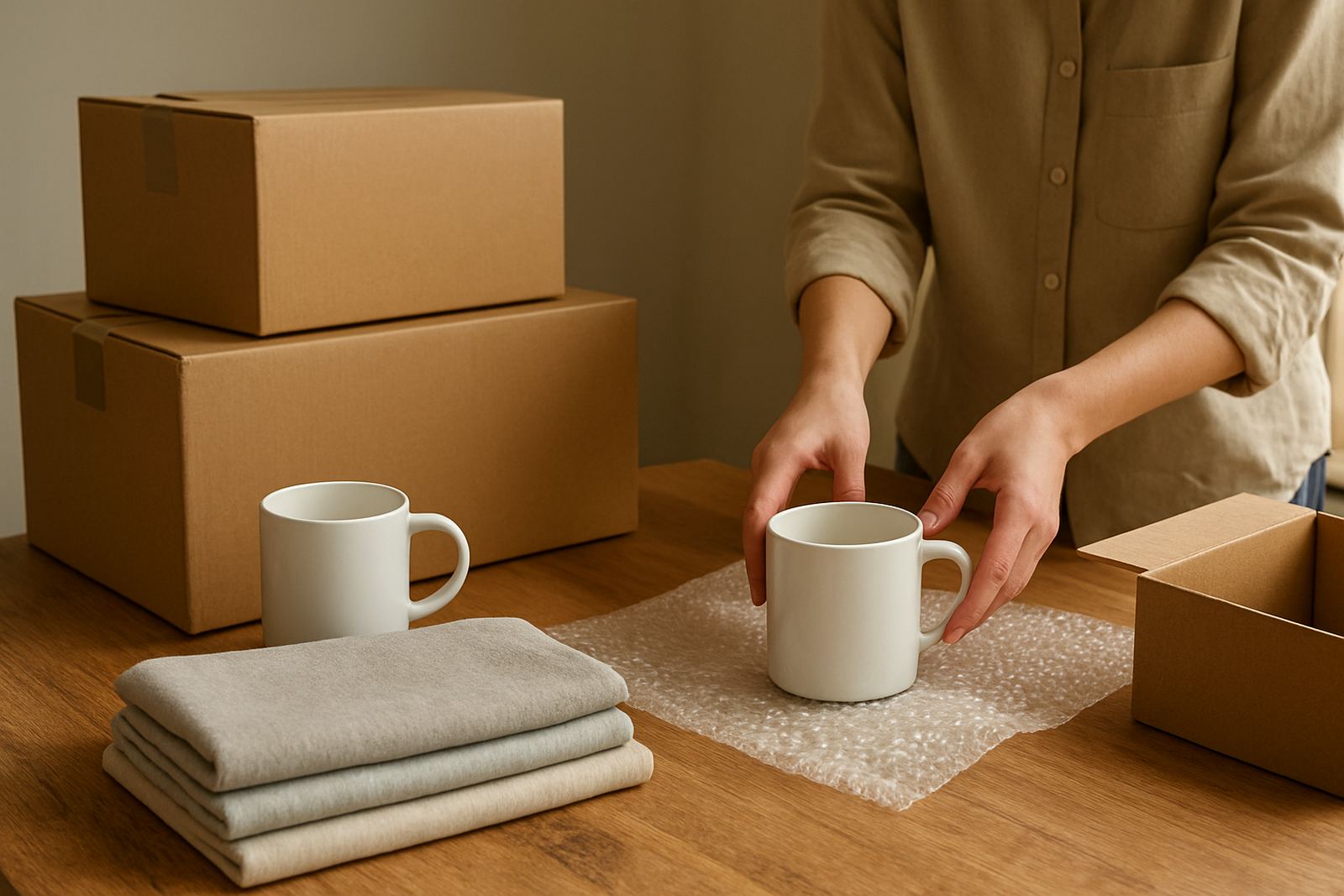
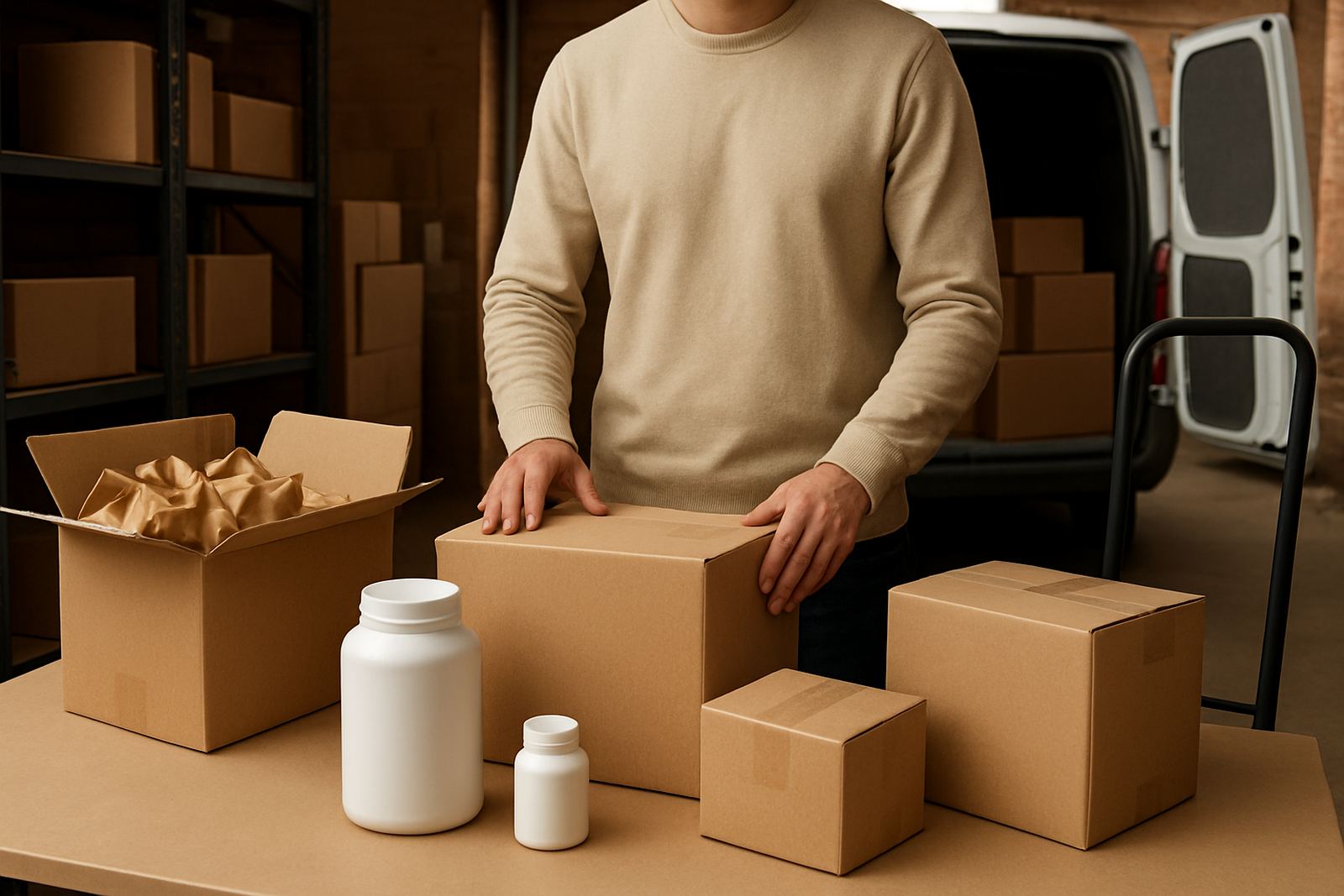
A small health shop does not need a complicated shipping area, but it does need a tidy one. Most stores work best with a packing table, shelving for stock, a printer for labels, sealed bags or boxes, tape, bubble wrap and a place for returns to wait separately. If you operate from Woodmead, Midrand or Sandton, a compact setup is often enough because space is costly and staff need room to move.
For higher-volume weeks, keep the courier booking area near the packing point so staff can check parcel size, weight and destination before a collection is arranged. If load-shedding affects your day, make sure your printer, router and scanner can run on backup power, because delays often start with one missing label or one missed booking cut-off.
- Cardboard boxes in a few standard sizes for jars, bottles and bundle packs
- Bubble wrap, kraft paper and sealable bags for smaller items
- A basic scale for weight checks before booking
- A clear returns shelf so customer items do not get mixed with outgoing stock
How to plan deliveries around product type and destination
Not every parcel from a health shop needs the same delivery choice. A bottle of vitamins headed to Pretoria may be fine on an economy service, while a customer in Gqeberha waiting on a skin care order may want a faster option. CourierThis is useful because it lets the shop compare options before a booking is made, so the team can balance speed against cost.
It also helps when you are sending bundles to repeat customers or doing promotions after payday. A clear rule set makes life easier: small lightweight orders can go on the lower-cost service, fragile items get extra packing, and urgent top-up stock for a clinic or wellness reseller gets booked with quicker handling. That kind of planning saves time and avoids expensive re-deliveries.
- Use economy shipping for non-urgent orders and heavier bundles
- Use express shipping for urgent customer orders or limited stock items
- Keep stronger packaging ready for glass, pump bottles and loose capsules
- Check delivery areas carefully for outlying suburbs and business parks
Common mistakes health stores make with courier bookings
The biggest mistake is treating every parcel as the same size and urgency. A small online shop can lose money fast if it always books express, or if it underestimates the time needed for collections. Another common problem is poor address checking. An incorrect unit number, a missing gate code or an incomplete suburb name can turn a simple delivery into a delay that costs a second trip.
Some shops also forget to plan for returns collections. In wellness retail, customers often send back unopened items, damaged packs or wrong orders. If there is no process for collecting returns, the stock room gets messy and refunds drag on. It is worth setting a simple rule for who approves returns, where they are stored and how they are booked back into the system.
- Booking the wrong service for the parcel size or urgency
- Skipping address checks before collection
- Using weak packaging for bottles and jars
- Not setting aside a clear process for returns and exchanges
Planning advice for shops in busy metros and coastal cities
Wellness stores in Johannesburg and Pretoria often deal with same-day admin pressure, while coastal cities like Cape Town, Durban and Gqeberha have their own delivery realities, especially with humidity and road congestion. A shop that sells supplements and personal care products needs a system that can handle peak days, supplier deliveries and customer orders without everything backing up at once.
Build around your busiest collection times. If couriers normally collect before midday, make sure packing is finished early and labels are ready before opening. Where stock is held in a mall, office park or small warehouse, keep collection access simple for drivers. If you are in a shared premises, give clear instructions for security, gate access and which entrance is used for parcel handover. That one step saves a lot of phone calls.
- Keep courier bookings tied to cut-off times, not to when the day feels busy
- Separate local delivery orders from national orders
- Make sure fragile health products are packed away from heat and sunlight
- Use clear handover instructions for estates, office parks and shared premises
What small shops usually spend on courier admin and bookings
Budget depends on order volume, parcel weight and how often you need collections. A very small shop might keep courier admin lean, with monthly delivery spending starting around R2,000 to R6,000 if orders are low. A growing wellness shop sending daily parcels across South Africa may spend R8,000 to R25,000 or more each month depending on how many express orders go out and how many returns are collected.
It also helps to budget for packaging supplies and time. Strong boxes, labels, tape and protective wrap can add a few hundred rand each month for a small shop, or several thousand rand if you ship high volumes. The aim is not to spend less at any cost, but to spend where it prevents damage, missed collections and customer complaints. That is where the value sits.
- Low-volume shops: about R2,000 to R6,000 a month
- Growing shops: about R8,000 to R25,000 a month or more
- Packaging supplies: budget extra for boxes, tape and protection materials
- Returns handling: keep a small monthly allowance for reverse collections