When a stationery shop needs faster dispatch
Stationery sellers usually work with steady, mixed orders rather than one big shipment. One parcel may be a few pens and exercise books for a parent in Sandton, the next may be 20 reams of paper for an office in Midrand, and then a last-minute bulk order for a school in Pretoria. That mix makes courier planning awkward if you are phoning around each time. With CourierThis, you can compare pickup and booking options in one place and choose the service that fits the order size, urgency and destination.
For small online shops, the pressure often comes around back-to-school season, month-end replenishment and the first cold, wet months when schools want stock topped up before the rain starts. If you are packing from a garage, storeroom or small retail unit, you need a way to move parcels quickly without overpaying for express on every order. CourierThis gives you a clear view of price and delivery choice so you can keep your admin under control.
- Daily school supply orders with small items and light parcels
- Bulk office top-ups for printer paper, file covers and notebooks
- Urgent replacement orders for schools and home offices
- Returns collections when a customer ordered the wrong size or colour
Typical packing and handling set for stationery orders
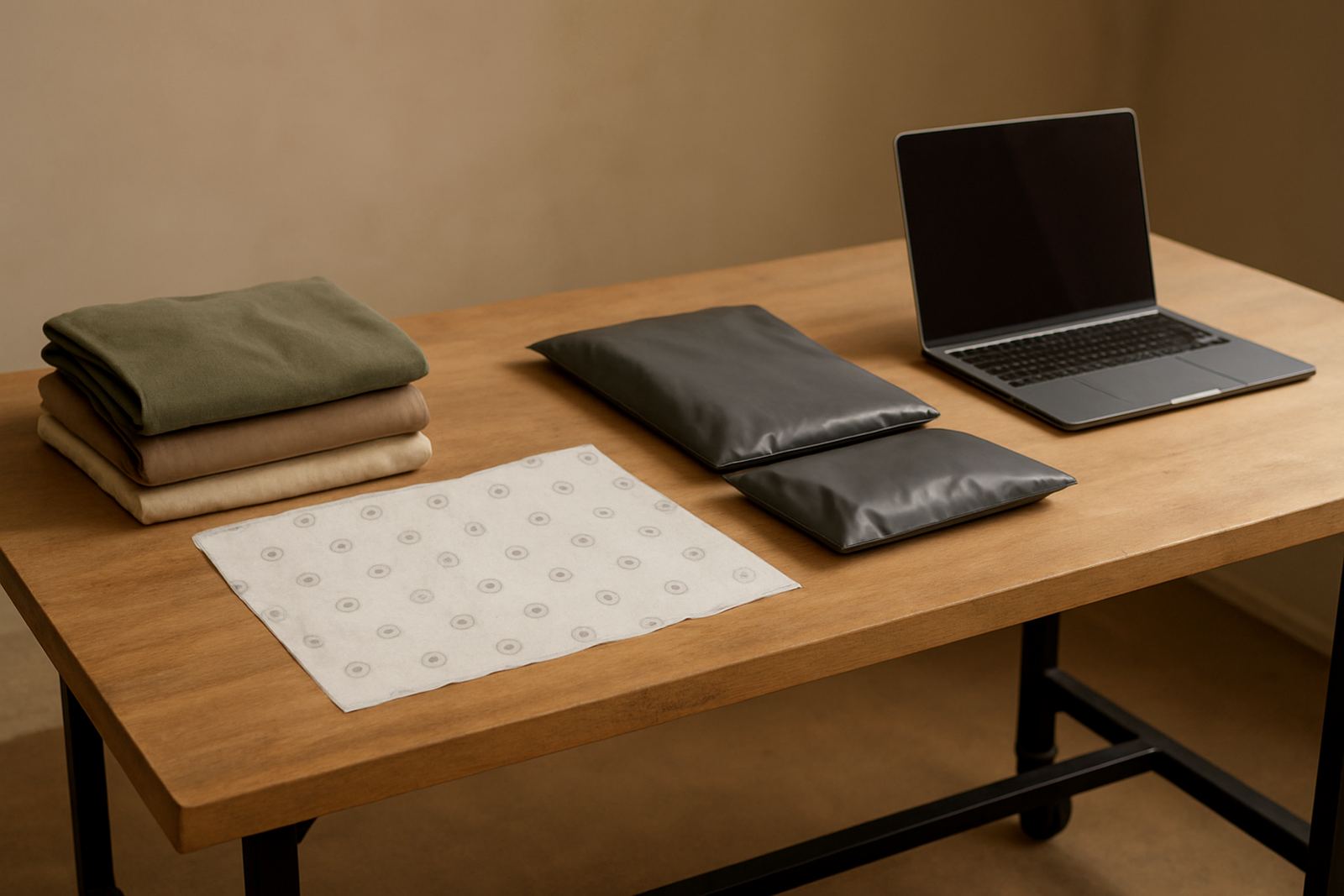
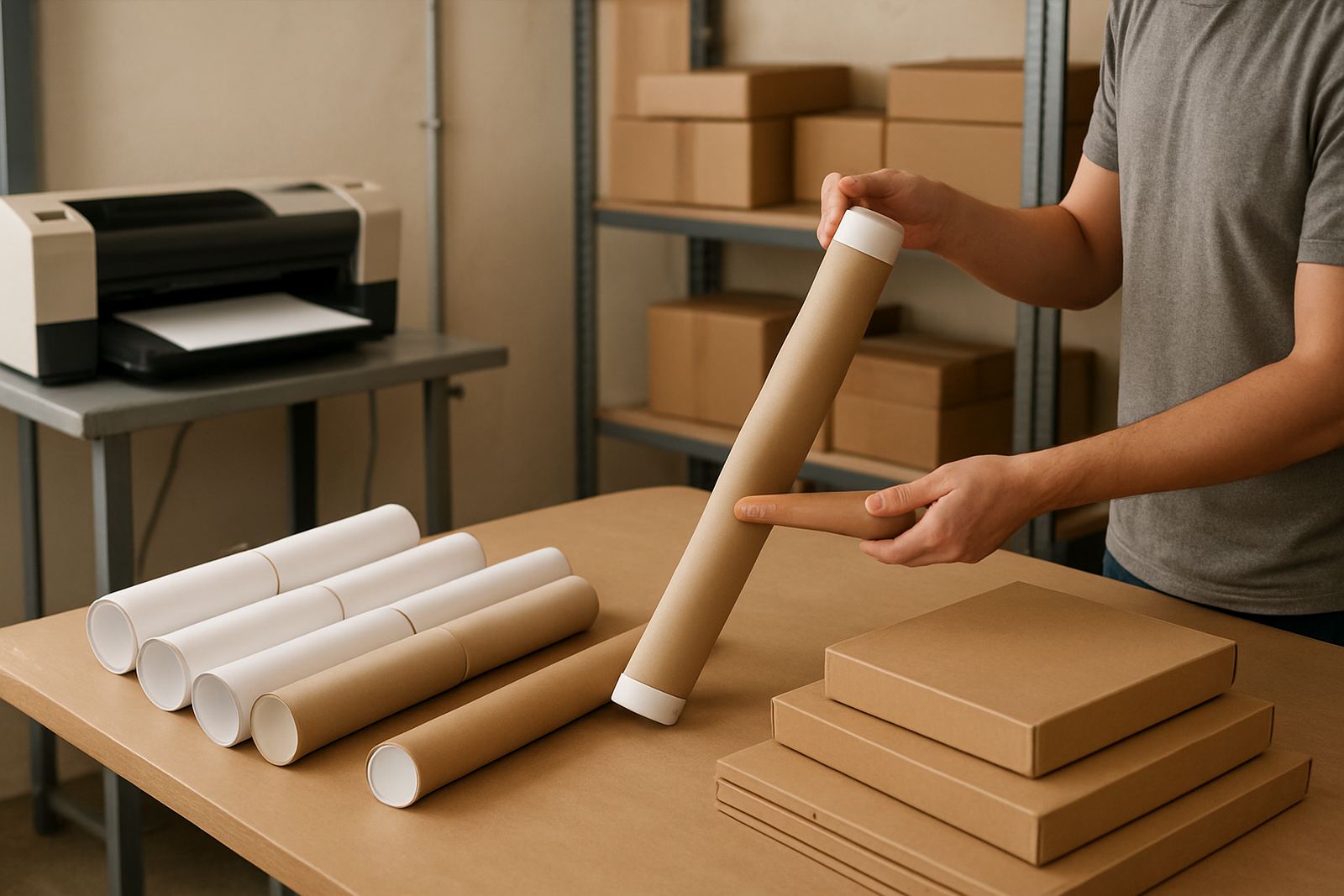
Most stationery shops do not need heavy industrial equipment, but they do need a reliable packing area. A plain packing table, shelves for stock, a label printer, scales and a supply of boxes, padded envelopes and tape are usually enough to start. For fragile items like staplers, calculators, counter organisers or bottled glue, you also want inner wrapping so items do not rattle around in transit. In humid coastal areas like Durban and Gqeberha, keep paper and adhesive products off the floor and away from damp walls or they can warp or stick together.
For small e-commerce orders, a simple workflow works best: pick, check, pack, weigh, compare, then book. If you are sending mixed items, separate heavier products from soft goods so the parcel travels better and the recipient opens it in good shape. Good packing saves time at collection and reduces disputes later on.
- Table or packing bench with enough surface for sorting stock
- Digital scale for parcels up to 20 kg or more if you sell bulk paper
- Printer for shipping labels and order slips
- Boxes in a few sizes, plus satchels for light orders
- Tape, void fill, marker pens and clear sleeves for invoices
Layout advice for a small shop, storeroom or home base
Even a small stationery operation benefits from a clean layout. Keep the fast movers close to the packing area, things like pens, highlighters, notebooks, A4 paper and files. Put slower stock higher up or further back so your packer does not waste time hunting. If you run from a home in Woodmead or a small unit in Midrand, leave space near the door for pickups so drivers are not waiting while you move boxes around.
Plan your space around the volume you actually send, not the volume you hope for. A shop that sends 5 to 15 parcels a day can work with one packing point and one storage wall. If you are doing school contracts or office supply drops, use separate shelves for outgoing bulk orders and retail orders. That makes counting easier and cuts down on mistakes when orders are busy.
Load-shedding can slow the whole process if your printer, internet and scale all need power at once. Keep a small backup light, a charged phone and a manual order note system ready for short outages. It sounds basic, but it keeps the day moving when the power cuts during the afternoon rush.
Choosing the right courier for school and office goods
Stationery orders vary from tiny envelopes to heavier cartons, so price alone should not be the only factor. A cheap service can work well for local deliveries, but if the parcel contains bulk paper or urgent exam pads you may need faster handling and a tighter pickup window. CourierThis lets you compare options for economy, express, local delivery and national delivery so you can match the service to the parcel instead of guessing.
For recurring customers, it helps to look at consistency. A school in Cape Town may need the same route every week, while a corporate client in Johannesburg may want tracked deliveries and clear proof of dispatch. If you sell across South Africa, it is worth checking which option suits each region, because delivery times can vary between central suburbs and outlying areas.
- Economy shipping for non-urgent stock replenishment
- Express shipping for exam papers, urgent orders or replacement items
- Local delivery booking for same-city customers and nearby offices
- National delivery booking for orders outside your home city
- Tracking support for customers who ask where the parcel is
Common mistakes stationery shops make with delivery
The most common mistake is underpacking small items. Pens, erasers, staplers and USB accessories can move around inside a parcel and arrive looking messy or damaged. Another issue is poor weight checking. A box of A4 paper, files and toner-like items can be much heavier than it looks and if the weight is guessed, the courier cost can jump at collection. That eats into margin fast.
Some shops also promise same-day delivery when they have not checked the pickup cut-off or the delivery area. That creates problems for the team and the customer. It is better to quote honestly and use a service level you can keep. If you sell to schools, remember that many deliveries are only useful during office hours, so clear communication matters more than fancy wording.
Finally, do not leave returns and replacements until they pile up. A simple returns collection plan saves time, especially when the item is low value but the customer still wants a quick fix. One missed collection can cost more in admin than the parcel itself.
Budget ranges that make sense for small stationery sellers
Courier spend should fit the order value. For a small stationery shop, local deliveries on light parcels may sit in the low hundreds of Rand per shipment, while heavier cartons and longer national routes will cost more. If you send mostly small orders inside the same city, a monthly courier budget from about R1 500 to R5 000 may be enough for a small start, depending on volume. Shops moving regular school or office stock can easily spend more once bulk paper and multi-parcel orders come in.
A sensible plan is to separate delivery cost from product price before you publish your shipping policy. That way, you know when to charge a flat rate, when to offer free delivery above a basket value, and when to use a quote-based option. CourierThis helps you compare the options first, so you are not guessing whether a parcel should go economy or express. A clear cost structure also makes reconciling month-end easier, which is useful when you are busy and short on time.
- Low-volume local shipping: about R1 500 to R5 000 per month
- Growing shop with regular citywide dispatches: about R5 000 to R15 000 per month
- Higher volume with bulk paper and school orders: R15 000 and up, depending on routes
How CourierThis supports stationery shops across South Africa
CourierThis is set up for small online shops that need quick courier comparisons and booking support without extra admin. If your business is in Johannesburg, Pretoria, Cape Town, Durban or Gqeberha, you can use the platform to compare pickup and delivery options, book the right service, and keep your day moving. That includes local deliveries, national shipping, returns collections and support with multi-order processing when several school or office orders land at once.
The team works from Woodmead, Johannesburg and supports small shop owners who want practical shipping help, not a complicated process. If you are building a routine for stationery orders, keep it simple: pack well, choose the right service, and book in good time. That approach saves money and keeps repeat customers coming back.