When homeware orders start mixing fragile and bulky
Homeware shops often carry a tricky mix of stock. One order might be a pair of scatter cushions and a candle set, the next could be a floor lamp, wall mirror, ceramic vase or a side table. That means the courier plan has to work for parcels that are light but delicate, as well as larger items that take up volume and are awkward to handle.
For small online shops in Johannesburg, Pretoria, Cape Town, Durban and Gqeberha, the main pressure is keeping shipping simple enough to manage daily orders while still giving customers a fair price. CourierThis helps you compare collection and delivery options before you commit, which matters when you are sending to city centres, estates, business parks and residential areas with different access rules.
- Fragile stock needs good packing and sensible service selection.
- Bulky stock often costs more because of size, not just weight.
- Same day or next day options can help for local urban orders, but not every item suits them.
- Returns for damaged or unwanted goods should be planned before the sale goes out.
Typical homeware stock and what couriers need to know
Couriers do best when the parcel details are clear. Homeware sellers should group items by packing type and handling needs so the right service is chosen quickly. If you sell online from a storeroom in Woodmead or Midrand, or pack orders from a garage in Randburg, the same rule applies: measure each item properly and don't guess the box size.
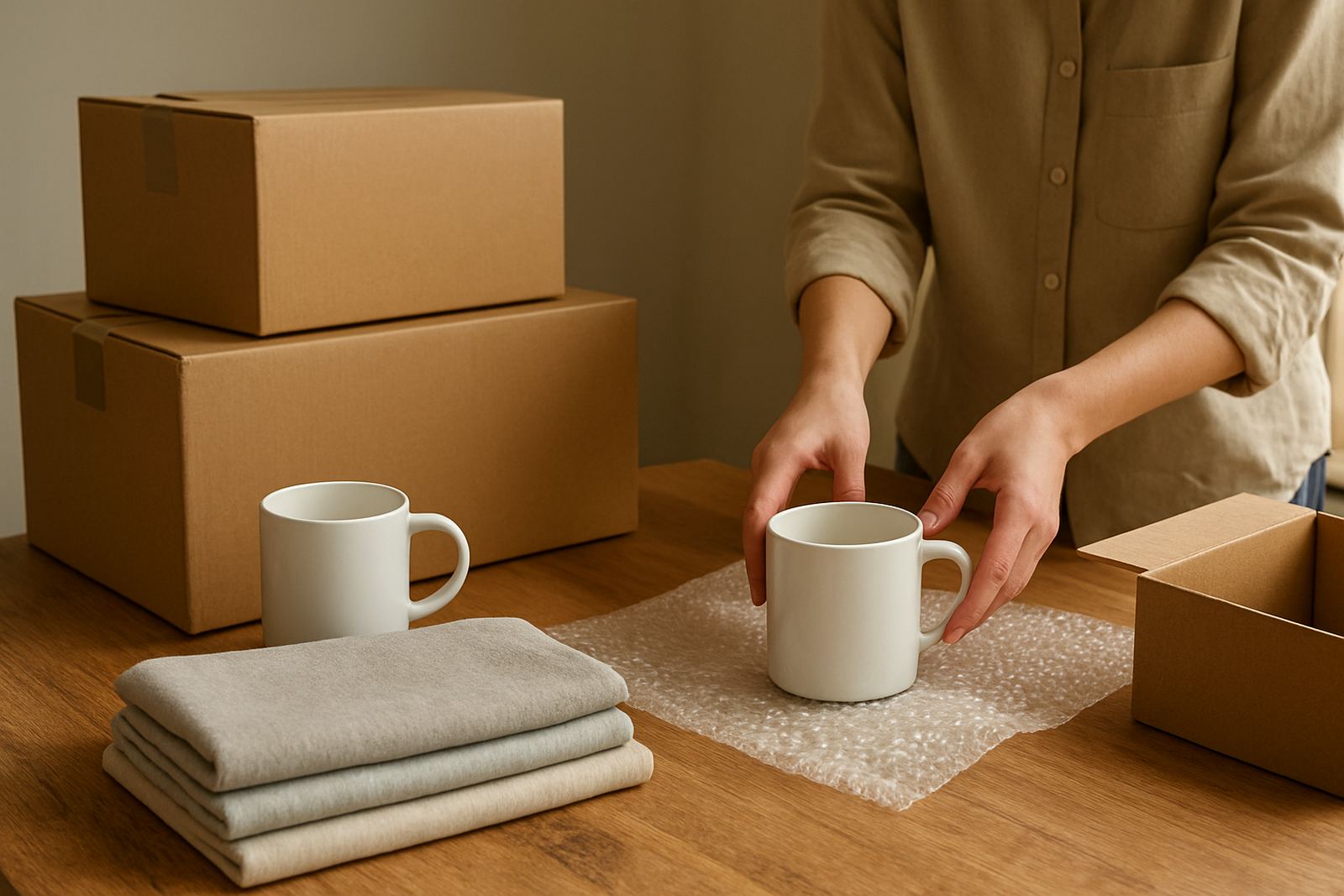
Common items in this category include glassware, mugs, kitchen storage, bedding, throws, lampshades, framed prints, mirrors, baskets, small furniture pieces and decor accessories. Each one behaves differently in transit. Glass and ceramic need padding and box strength. Soft goods are usually easier, but they can still be heavy in bulk. Flat-pack pieces can be economical to send, but the outer cartons need corner protection and clear labels.
- Use exact packed dimensions, not product dimensions alone.
- Separate fragile lines from non-fragile stock in your booking system.
- Ask whether the service allows loose item stacking in the pickup vehicle.
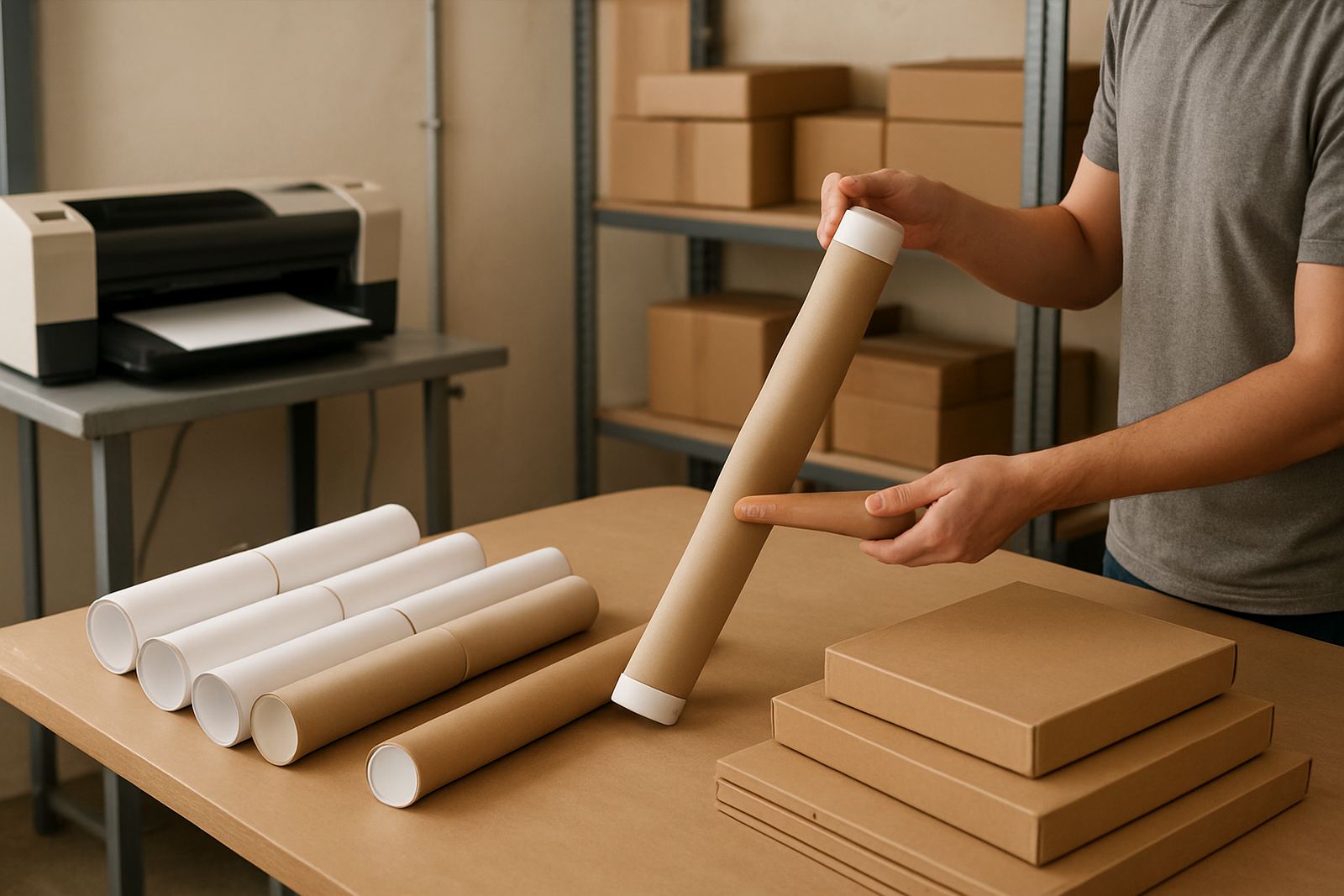
- Check if the courier can handle long parcels, awkward shapes or oversized cartons.
Layout and packing choices that save money
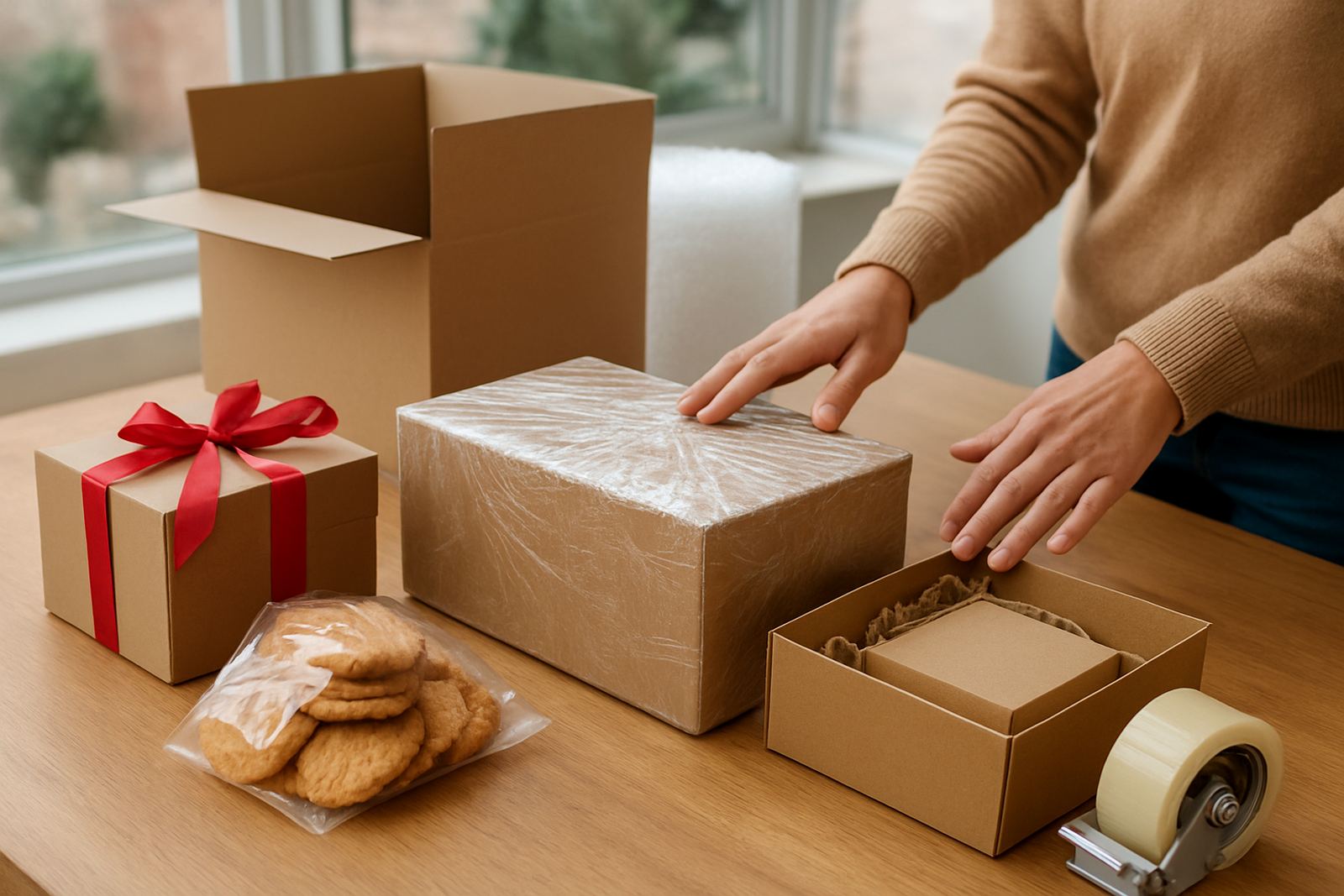
Good packing layout can reduce your courier cost more than many sellers expect. If your cartons are too large for the product, you pay for wasted volume. If they are too small, you risk damage and awkward repacking when orders are checked at collection. A tidy packing station with a scale, tape, bubble wrap, paper fill, carton sizes and printed labels helps keep things moving, even during load-shedding when the team may be working by backup power or daylight.
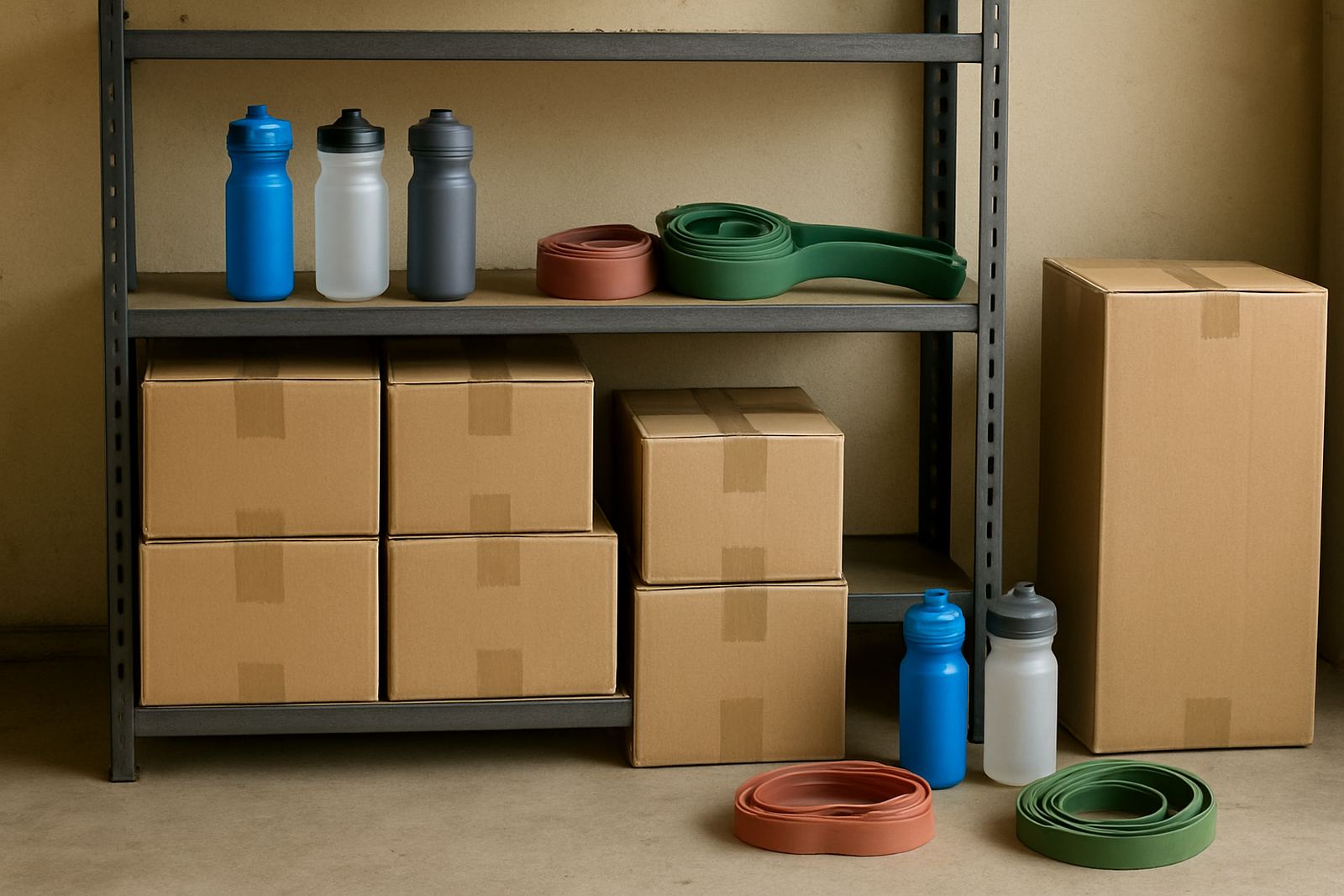
Homeware shops should plan storage by weight and breakability. Keep heavier items low down, and store glass or ceramic away from high-traffic paths. For shops that ship from Sandton, Pretoria East or Cape Town northern suburbs, traffic can make late collections difficult, so having parcels packed and ready by the cut-off time matters. If your building has security or controlled access, tell the courier in advance so the driver is not delayed at the gate.
- Choose carton sizes that match your top 20 selling products.
- Use corner protectors on frames, mirrors and tabletop pieces.
- Do not let loose fill move around inside the box.
- Keep a separate area for pickups so labels are easy to read and scan.
Common courier mistakes homeware sellers make
One of the biggest mistakes is assuming all delivery options are the same. A parcel that is fine for express road freight may not suit a cheaper service with more handling points. Another common issue is under-declaring parcel size or weight, which can trigger extra charges later. That hits cash flow, especially for small shops that are trying to keep shipping visible and honest at checkout.
Another problem is forgetting about returns. Homeware buyers may return items because of colour mismatch, size expectations, or damage in transit. If you do not have a clear returns collection process, you can end up with slow stock recovery and unhappy customers. It also helps to think about municipal restrictions in apartment blocks, malls and office parks, where delivery windows, loading bays and lift access can affect the drop-off.
- Do not send delicate goods in a carton that is too thin for the item.
- Do not use one courier rule for all products and all provinces.
- Do not ignore access notes for estates, flats and business addresses.
- Do not leave return handling until after a customer complains.
Budget ranges to plan for in Rand
Shipping budgets for homeware shops vary a lot because parcel size and route matter so much. A small cushion or decor item sent within the same metro area may sit in a lower price band than a mirror or lamp sent nationally. For planning, many small shops set simple shipping brackets and then refine them once they see real order data from Johannesburg, Durban, Cape Town, Pretoria and Gqeberha.
As a working guide, light local parcels may fall into the lower hundreds of Rand, while larger or more fragile items can move into higher bands. National shipments, especially for bulky goods, often cost more because of handling and distance. If you are comparing options regularly, it is useful to track actual courier spend per order and separate economy, express and return collections in your accounts. That way you can see what is eating margin and where a better service choice would help.
It also pays to watch for hidden costs such as re-delivery, packaging wastage, remote area surcharges and special handling on oversized parcels. A simple spreadsheet can show you whether a free shipping offer is still practical or whether you need a threshold such as orders over R750 or R1 200.
How CourierThis helps small homeware shops move faster
CourierThis is useful when you need to book pickups without wasting time phoning around. You can compare courier options, choose a delivery fit for the parcel and submit the booking in one place. That matters for small homeware businesses with limited staff, because the person packing orders is often the same person dealing with customer messages, stock counts and supplier follow-ups.
For shops selling across South Africa, the right courier choice changes by order type. A linen bundle to Pretoria may be straightforward, while a fragile lamp going to Durban or a bulky decor item heading to Gqeberha needs more care. CourierThis supports local entrepreneurs who need a practical way to manage shipping admin, returns collections, tracking support and multi order processing without turning the packing table into a mess.
From Woodmead base to clients in Sandton, Midrand, Johannesburg, Cape Town, Durban, Pretoria and Gqeberha, the aim is the same: keep the pickup process clear, keep customers informed and keep your shipping costs under control.