Why sports shops need quicker courier admin
Sports retail looks simple from the outside, but the shipping side can get messy fast. One order may be a pair of running shorts and socks, the next could be shin guards, a gym bag, skipping ropes and a small set of training cones. When orders come in from different platforms and WhatsApp, the challenge is not packing the parcel it is choosing the right courier option before the customer starts asking where the order is.
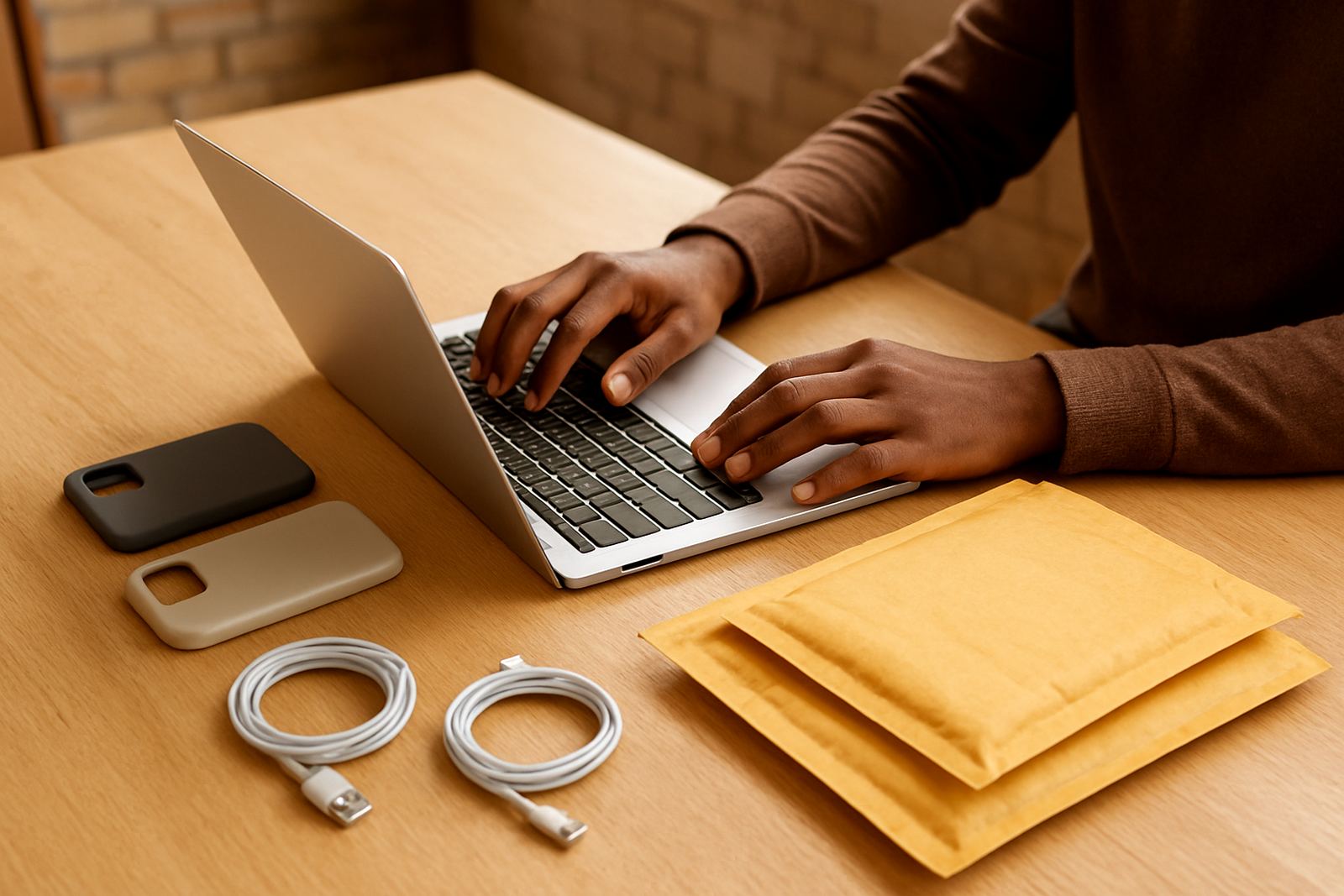
For a smaller sports shop, the usual problem is time. Staff are busy helping walk-in customers, checking stock, answering size questions and dealing with returns. CourierThis gives a practical way to compare delivery choices, book pickups and keep the shipping admin in one place. That matters even more during load-shedding or busy month-end periods, when everyone is trying to get orders out before the day closes.
Typical items sent by smaller sports retailers
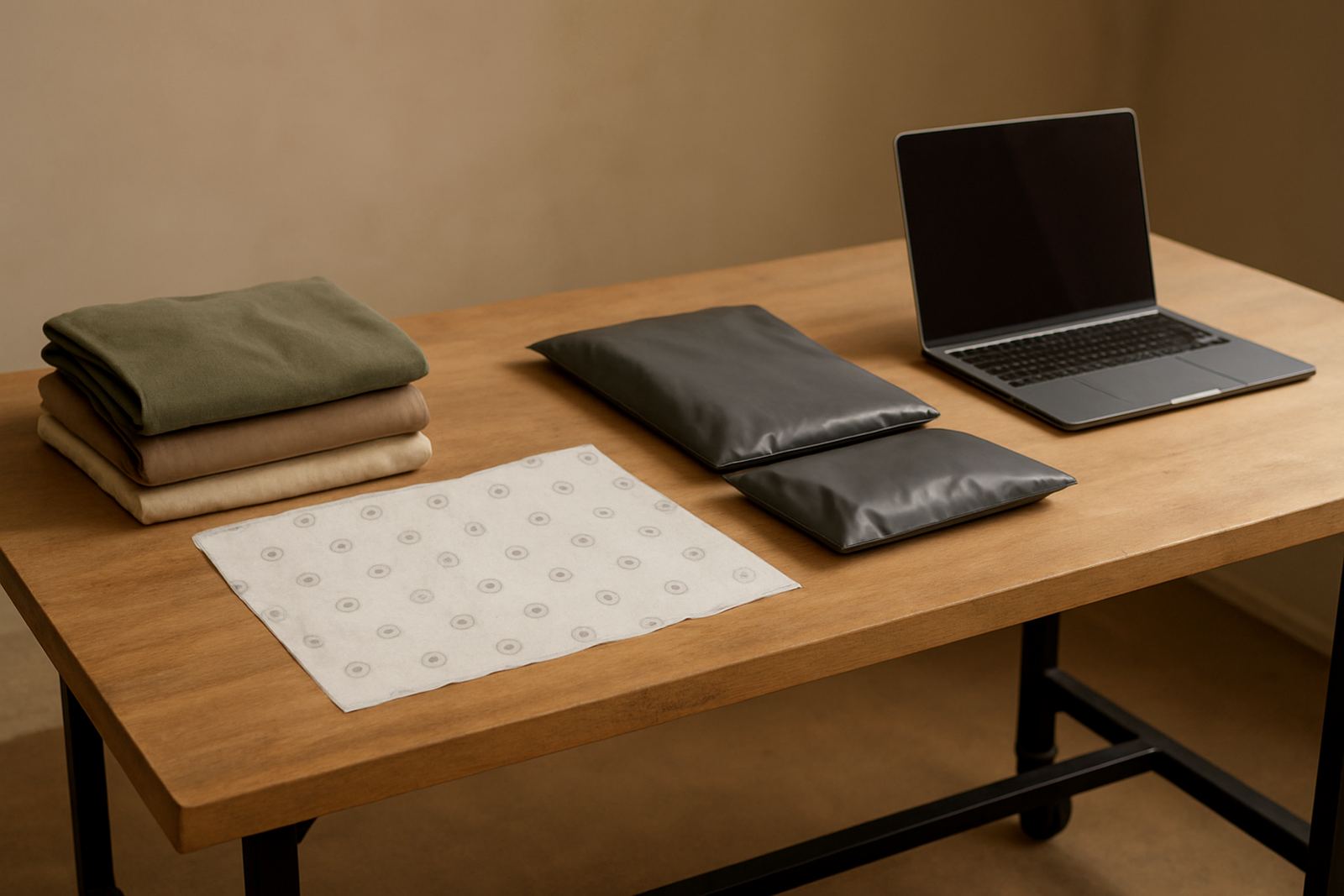
Most sports shops do not need special freight for every order. The common parcel is compact, easy to stack and suitable for standard courier networks. The trick is to separate light apparel from bulkier items so the right service is used and customers are not overcharged for space they do not need.
- Club and school sportswear, training tops and track pants
- Socks, caps, compression wear and base layers
- Shin guards, mouthguards, grips and wrist supports
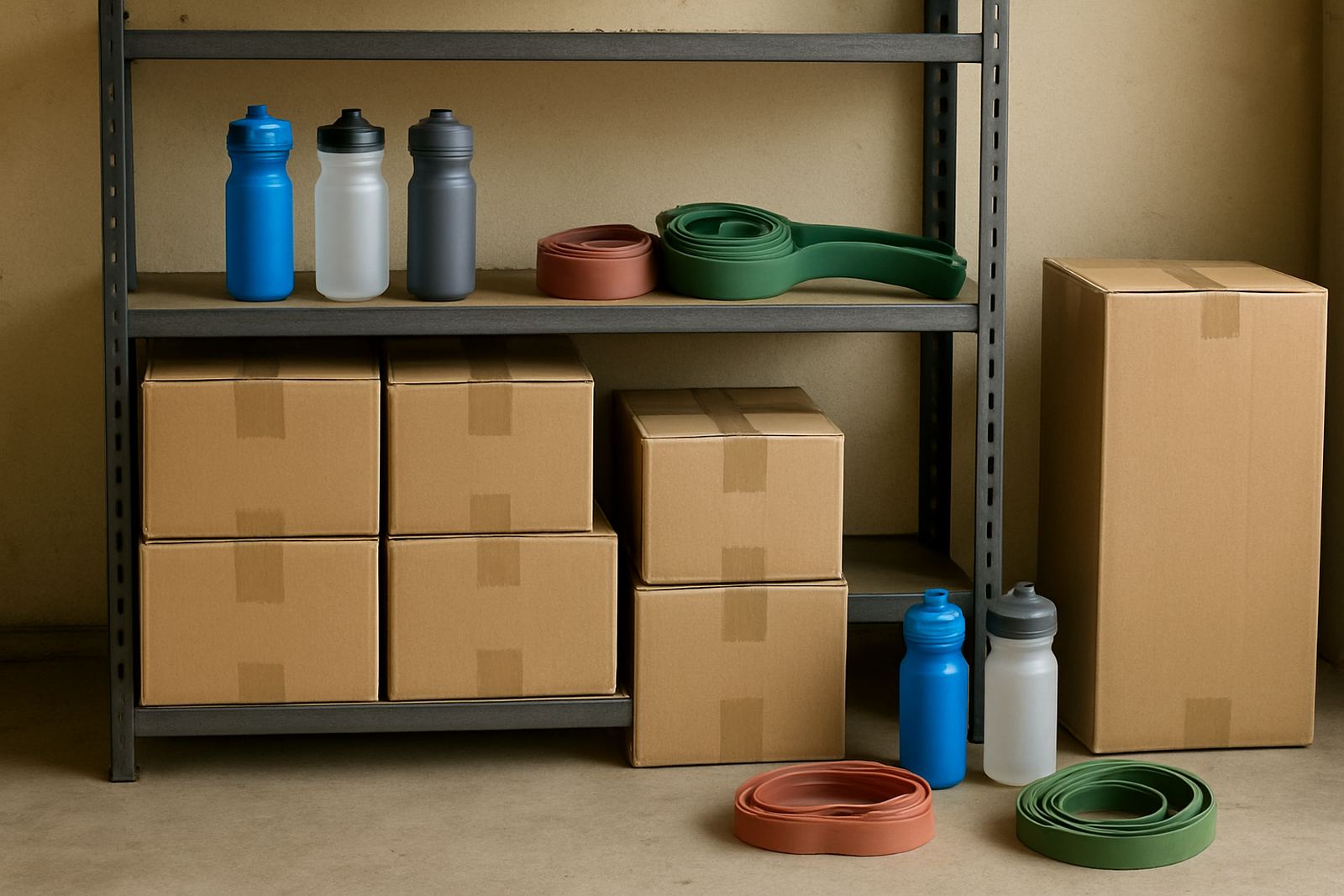
- Skipping ropes, cones, resistance bands and pump sets
- Small bags, towels, water bottles and accessories
- Lightweight footwear boxes, packed properly to avoid crushing
If you also sell compact equipment, such as ladders for training, small hurdles or folded mats, the parcel size starts to matter more. That is where delivery option guidance helps. A shop in Sandton may need a same-day pickup for a local club order, while a store in Pretoria might be better off booking an economy national option for non-urgent stock. The best choice depends on weight, dimensions and how quickly the customer actually needs it.
How to plan the packing and layout
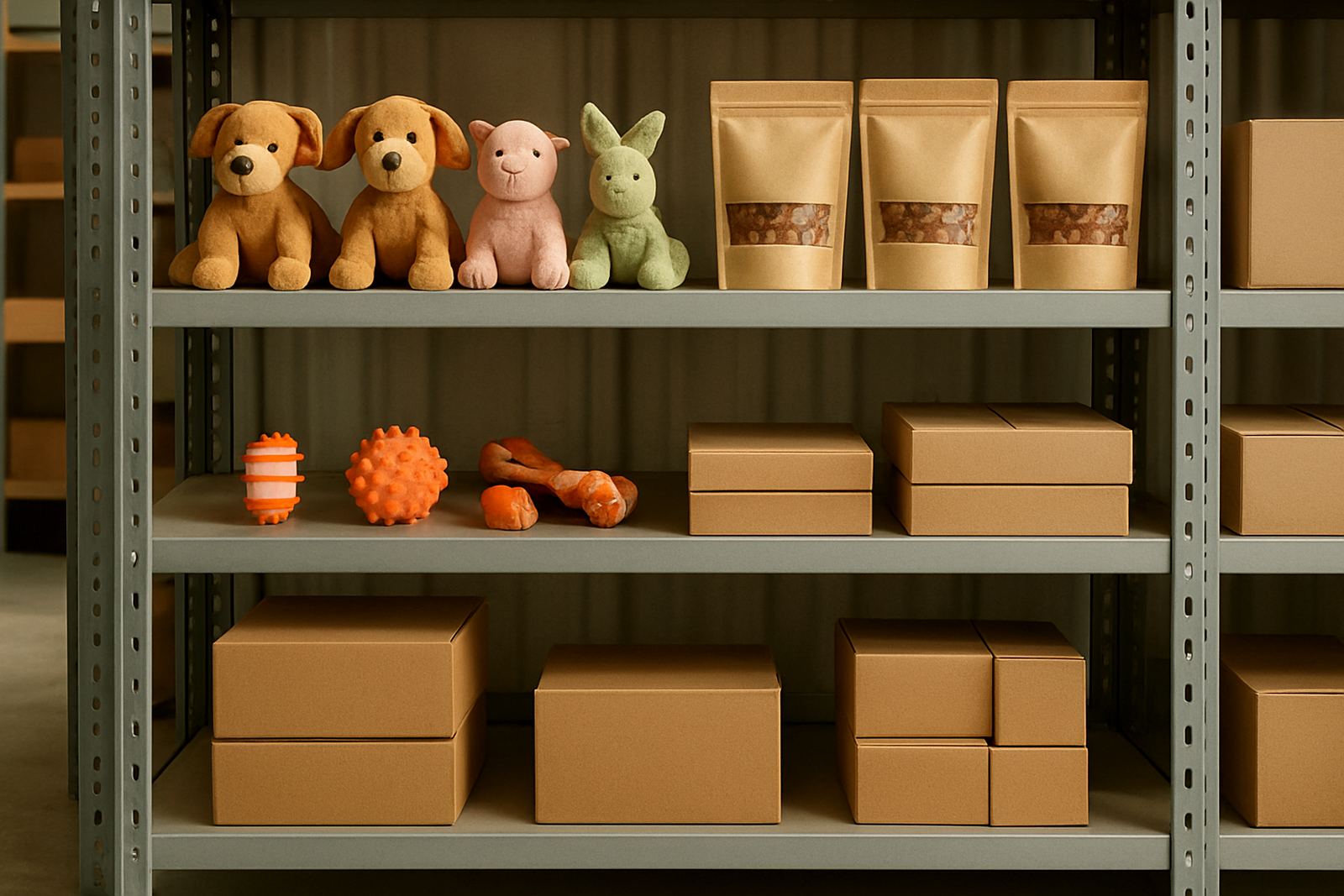
Good packing starts with a clear loading area, even if it is only a few shelves and a packing table near the back. Keep stock for delivery in one zone, with printed labels, tape, satchels and boxes within reach. If staff have to walk back and forth across the shop floor for every order, mistakes go up and the counter gets crowded.
For sports shops, the best layout is usually simple: one shelf for ready-to-go orders, one for returns and one for courier supplies. If you operate in coastal areas like Durban or Gqeberha, protect apparel and paper labels from humidity. In Johannesburg and Pretoria, dust and static can also cause trouble with packaging and barcode stickers. Small process changes save time, and they keep the courier handover clean.
- Pack by order, not by product type, so nothing gets mixed up
- Use padded packaging for footwear boxes and fragile accessories
- Keep a scale and measuring tape close to the packing point
- Print or write parcel details clearly before the driver arrives
- Set a daily cut-off time for same-day bookings and pickups
Common mistakes that cost small shops money
One of the biggest mistakes is guessing parcel weight and size. A few centimetres can change the price, and if the parcel is quoted too small the courier may re-rate it later. Another issue is ignoring delivery timeframes. Customers buying club kit for a Saturday match will not be happy if the shop books an economy option that arrives late.
Some shops also seperate local and national orders too late in the day. That leads to rushed packing, missed pickups and extra admin for the next morning. It is better to sort orders early, then use CourierThis to compare the available options and book the most suitable one for each parcel. This is also useful for returns collections, which can become a headache when the customer needs a replacement size quickly.
Another common slip is poor tracking follow-up. Sports customers often buy for a specific event, so if a parcel sits with no update someone will phone or send messages. Tracking support helps staff answer those questions without digging through several courier systems. It keeps the conversation short and practical, which is what small shops need when they are busy.
Budget ranges for shipping planning in Rand
Courier costs depend on route, speed, parcel size and collection area, but small sports shops can still plan around realistic ranges. For a local delivery inside the same metro, many smaller parcels may fall into the low hundreds of Rand. National economy shipping usually costs more, especially when the parcel is going from Johannesburg to Cape Town, Durban or Gqeberha. Express services can push the price up quickly, so they are best reserved for urgent orders or time-sensitive replacements.
A sensible way to budget is to separate shipping by product group. Light apparel and accessories are often the cheapest to move. Footwear boxes and mixed parcels sit in the middle. Compact equipment, bulkier club orders and repeat return collections can be higher, especially when dimensions are awkward or the pickup point is outside the main business area. For a small shop, it helps to build a monthly courier allowance rather than treating every booking as a surprise.
- Local small parcel: often from about R60 to R150
- National economy parcel: often from about R90 to R220
- Express parcel: often from about R140 to R350
- Returns or repeat collections: budget for extra handling time and rebooking
Those figures are planning ranges, not fixed rates. The right comparison tool makes the difference between guessing and knowing what each delivery will cost before you confirm it.
How CourierThis fits a small sports shop workflow
CourierThis is useful when a shop needs one place to compare options, book pickups and keep the order flow moving. That can mean a Woodmead base office handling daily pickups for Johannesburg and Midrand, or a store in Cape Town sending out club kit across the metro. It also suits owners who do not have a full admin team and need the process to stay simple.
The service works well for small online shops that sell mixed sports stock and want a better way to manage courier choices. With pickup booking, local and national delivery booking, economy and express options, returns collections and tracking support, the admin side becomes easier to manage. Small shop onboarding also helps new retailers get set up without a long learning curve.
For owners juggling stock counts, customer messages and supplier orders, the main benefit is time. You can compare courier options, book the pickup and move on to the next order instead of chasing separate courier contacts all day.
Practical setup advice for growing sports sellers
If you are growing from weekend sales into steady online orders, start with clear rules. Decide which products qualify for same-day courier booking, which items need next-day packing and which orders should only go out once payment is confirmed. That keeps the team focused and reduces avoidable refunds or claims.
It also helps to keep a simple service matrix for your staff. For example, urgent club orders can use express, standard apparel can go economy, and local repeat customers can be grouped into one pickup window. In busy areas like Sandton or Midrand, this can save serious time. In bigger peak periods, it also means fewer mistakes when the shop is under pressure.
Smaller sports retailers do not need complicated logistics. They need a practical way to compare prices, choose the right delivery option and keep customers informed. That is exactly where a good courier booking process pays off.