Start with the product, not the box
The best packaging choice starts with what you are sending. A mug needs different support from a candle, and a T shirt needs different treatment from a glass bottle. Before you book a pickup, look at weight, shape, fragility and whether the item can move inside the parcel. If it can shift, it can arrive scuffed or broken.
For small online shops, simple rules work well. Keep heavy items low and tight in the carton. Keep fragile items away from corners. Do not use a box that is much bigger than the contents unless you have enough filler to stop movement. Extra space often means extra damage.
- Check the item for sharp edges, loose lids or parts that can scratch other products.
- Group similar products together where possible, rather than mixing heavy and light stock in one parcel.
- Measure the item after wrapping, not before, so your box choice is accurate.
Pick the right box size and strength
Cardboard cartons are still the safest choice for most courier shipments. For general e commerce orders, use a box that is strong enough to hold its shape when stacked and handled. Single wall cartons suit light clothing, books, stationery and soft goods. Double wall cartons are better for heavier items, glassware, jars and anything that may be stacked with other parcels in a depot or van.
Where possible, choose a box with only a little spare room. Too much free space leads to crushed corners and broken seals. In humid areas like coastal Durban or Gqeberha, boxes can weaken faster if they are stored on a damp floor or left near open doors. Keep stock off the ground and away from direct sun. Load shedding can also affect warehouse routines, so store packing material where it stays dry and tidy.
- Light items under 2 kg: single wall carton with void fill.
- Medium parcels from 2 kg to 8 kg: strong single wall or double wall carton.
- Fragile or dense items: double wall carton with corner protection.
- Always seal the base with good tape, not a single short strip.
Use protective materials that match the item
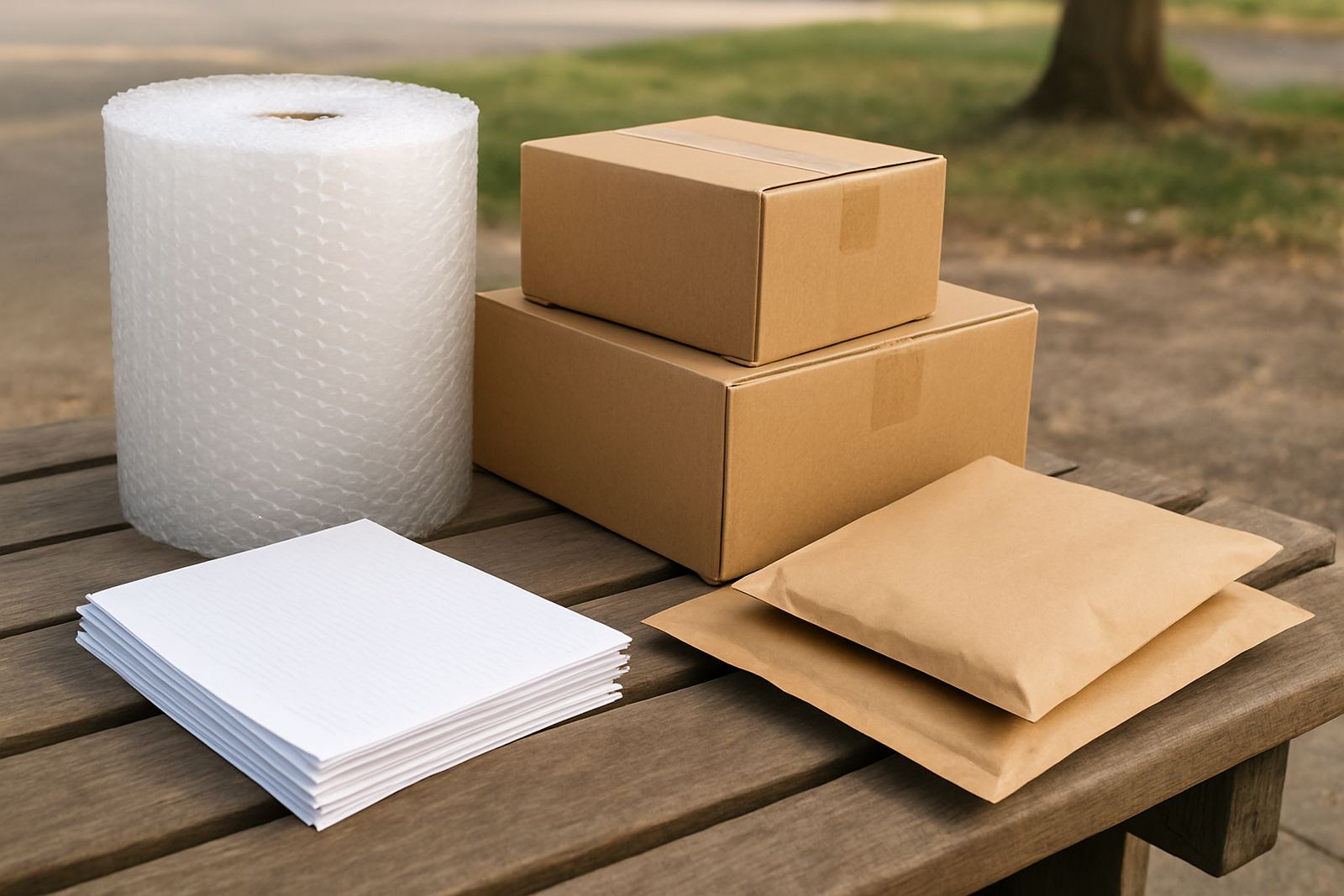
Protective material should stop movement, absorb knocks and prevent surface damage. Bubble wrap is useful for ceramics, glass, cosmetics and small electronics. Paper wrap suits clothing, stationery and products that do not scratch easily. Foam sheets or sleeves are handy for polished items, candles in tins and smaller decor pieces. Air pillows and crumpled paper can fill empty space, but they should not be the only protection around fragile goods.
Use enough filler to prevent the item from touching the box walls. One layer is often not enough for fragile stock. For breakables, wrap each item separately, then place a buffer layer around it inside the box. If your product has loose parts, tape those parts securely or pack them separately in a labelled inner pouch.
- Bubble wrap for glass, ceramics, jars and electronics.
- Paper wrap for clothing, soft goods and low risk items.
- Foam sleeves for finished surfaces and scratch sensitive products.
- Void fill for empty space only, not as the main support.
Pack common online shop products the practical way
Different products need different packing methods, and a few simple habits save a lot of trouble. Clothing should be folded neatly and sealed in a clean inner bag before going into a box or satchel. Books and stationery should sit flat so corners do not bend. Jars and bottles need upright placement, a sealed lid and enough padding around the neck. Candles should be wrapped so the surface does not mark against other items.
For mixed orders, separate fragile stock from soft goods. If you sell skincare, ceramics and accessories in the same order, pack each type in its own inner wrap or box. That keeps leakage, rubbing and pressure from spreading through the parcel. It also makes order checking easier when you do multi order processing from one pickup.
- Clothing: fold, bag, then place in a carton or courier satchel.
- Glassware: wrap individually and stand upright where possible.
- Books: keep flat and use a snug carton so corners do not crush.
- Skincare and liquids: seal lids, bag separately and add absorbent material if needed.
Seal, label and prepare for courier collection
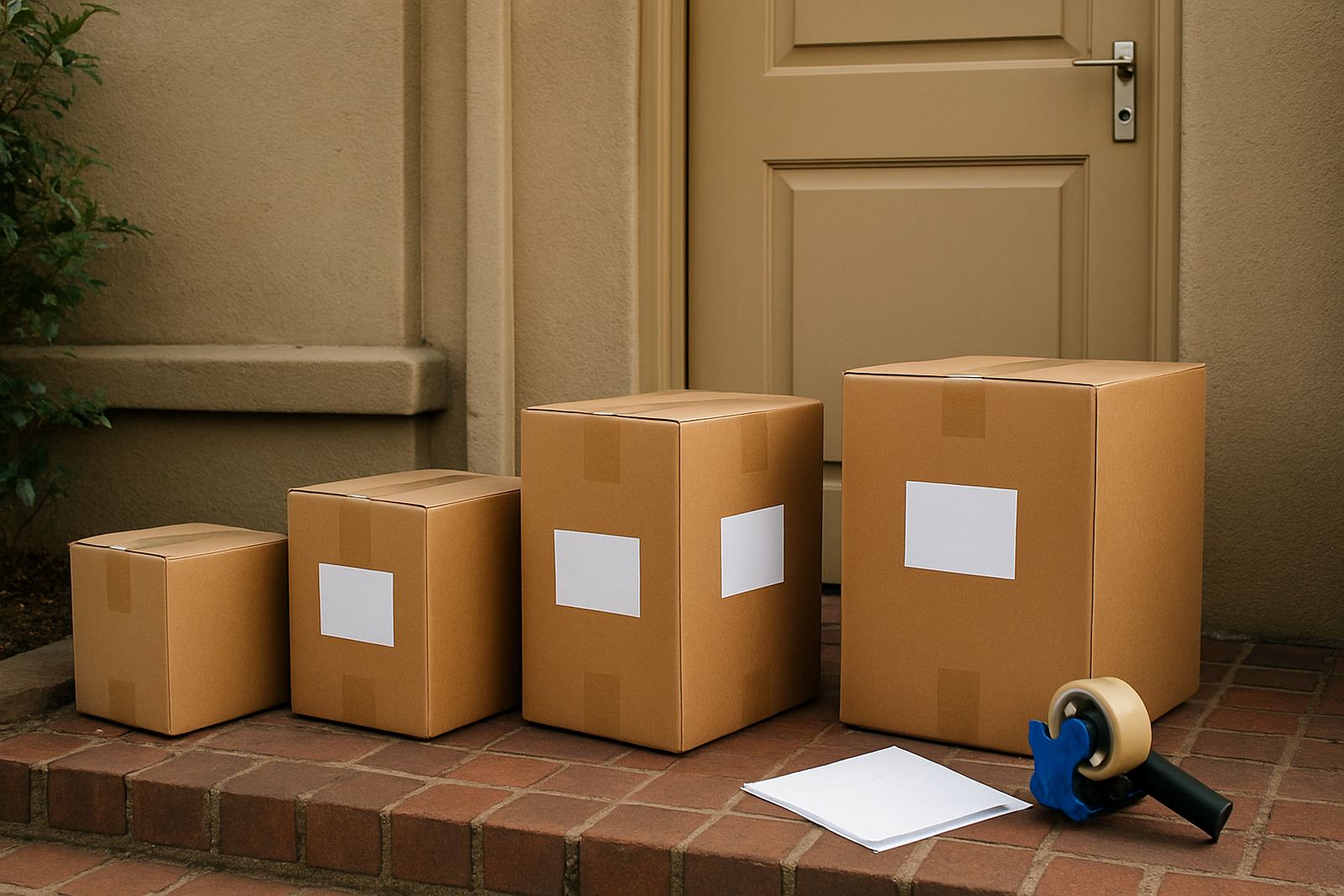
A neatly packed parcel can still fail if the seal is weak or the label is unclear. Use strong packing tape on all box seams, including the centre join and both edge flaps. Avoid masking tape or thin stationery tape for shipping. If a parcel is heavy, use extra tape in a cross pattern across the top and bottom. Labels should sit flat and be easy to scan, with no old labels showing underneath.
Before pickup, check that the parcel is closed properly and that nothing rattles inside. If there is movement, reopen and add more filler. Keep the recipient details readable and protect the label from moisture. In rainy weather, or when parcels may sit outside during collection, a clear protective sleeve over the label helps. Municipal collection points and office parks can have their own access rules, so make sure the parcel is ready before the driver arrives.
- Seal all seams with proper packing tape.
- Remove old labels, barcodes and courier stickers.
- Keep the address label flat, visible and dry.
- Do a quick shake test before collection.
Build a packing checklist your team can follow
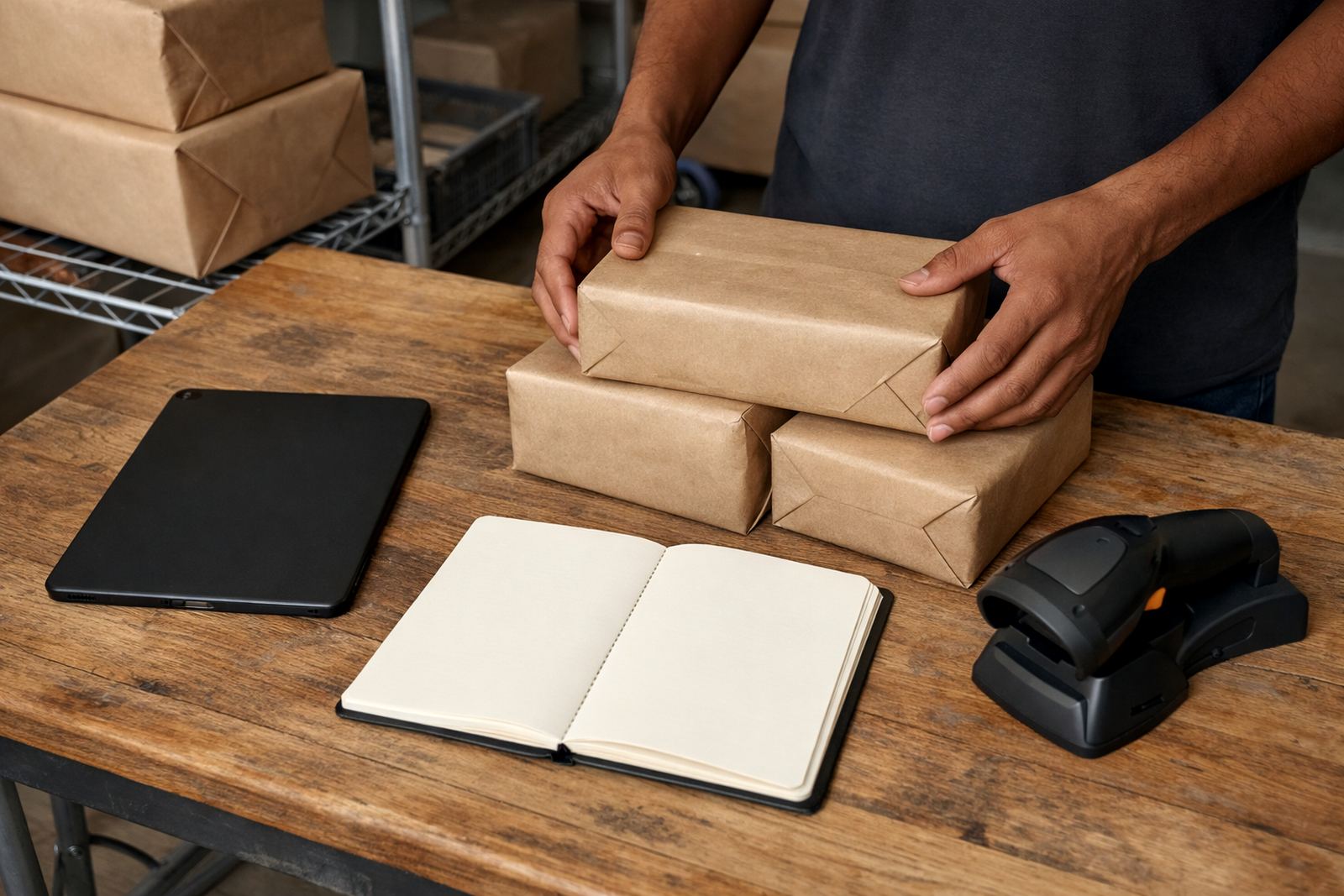
A packing checklist makes your process faster and more consistent, especially when orders increase after payday or seasonal sales. Keep the checklist short enough for staff to use without skipping steps. Place it near the packing area with the cartons, filler, tape and labels close by. That reduces mistakes and helps new team members work confidently.
Review your checklist after the first few courier runs. If you notice repeated damage on one product type, change the box size or add more protection. If a parcel is often over packed, switch to a smaller carton. The aim is not to use the most material possible, but the right amount for each order. Small shops that get this right spend less on returns and customer complaints.
- Product checked for damage before packing.
- Correct inner wrap chosen for the item.
- Box or satchel sized to fit with minimal movement.
- Seal, label and final shake test completed.
- Pickup booking confirmed and parcel ready for collection.
When to ask for extra shipping guidance
If you ship fragile, high value or unusually shaped items, it helps to get delivery option guidance before every busy run. A courier comparison and booking platform can save time, but packaging still decides how well the parcel travels. Heavier stock, return parcels and repeated city to city shipments may need different protection from local delivery within the same metro.
Use stronger cartons for products that are stacked, handled often or sent long distance. Keep a few box sizes on hand instead of forcing every order into one type of package. That gives you better control over shipping costs and lowers the chance of damage. For small online shops in Johannesburg, Pretoria, Cape Town, Durban and Gqeberha, the right packaging is often the difference between a clean delivery and an unnecessary return.
Packaging does not need to be fancy. It needs to fit, protect and arrive in one piece.