1. Start with a clean order check
Before you seal anything, match each order against the packing slip or your own order list. Check the item, size, colour, quantity and any extras such as spare parts, gift notes or printed invoices. It only takes a few minutes and can save a costly return trip if the wrong parcel goes out.
For small online shops in Johannesburg, Pretoria, Cape Town, Durban and Gqeberha, it helps to set one fixed packing time each day. That way orders coming in after the cut off stay on the next collection and there is less last minute confusion when the driver arrives.
- Confirm the customer name and order number
- Check the item count against the order
- Remove any stock labels you do not want seen
- Set aside damaged or incomplete items for review
2. Choose the right packing material for the parcel
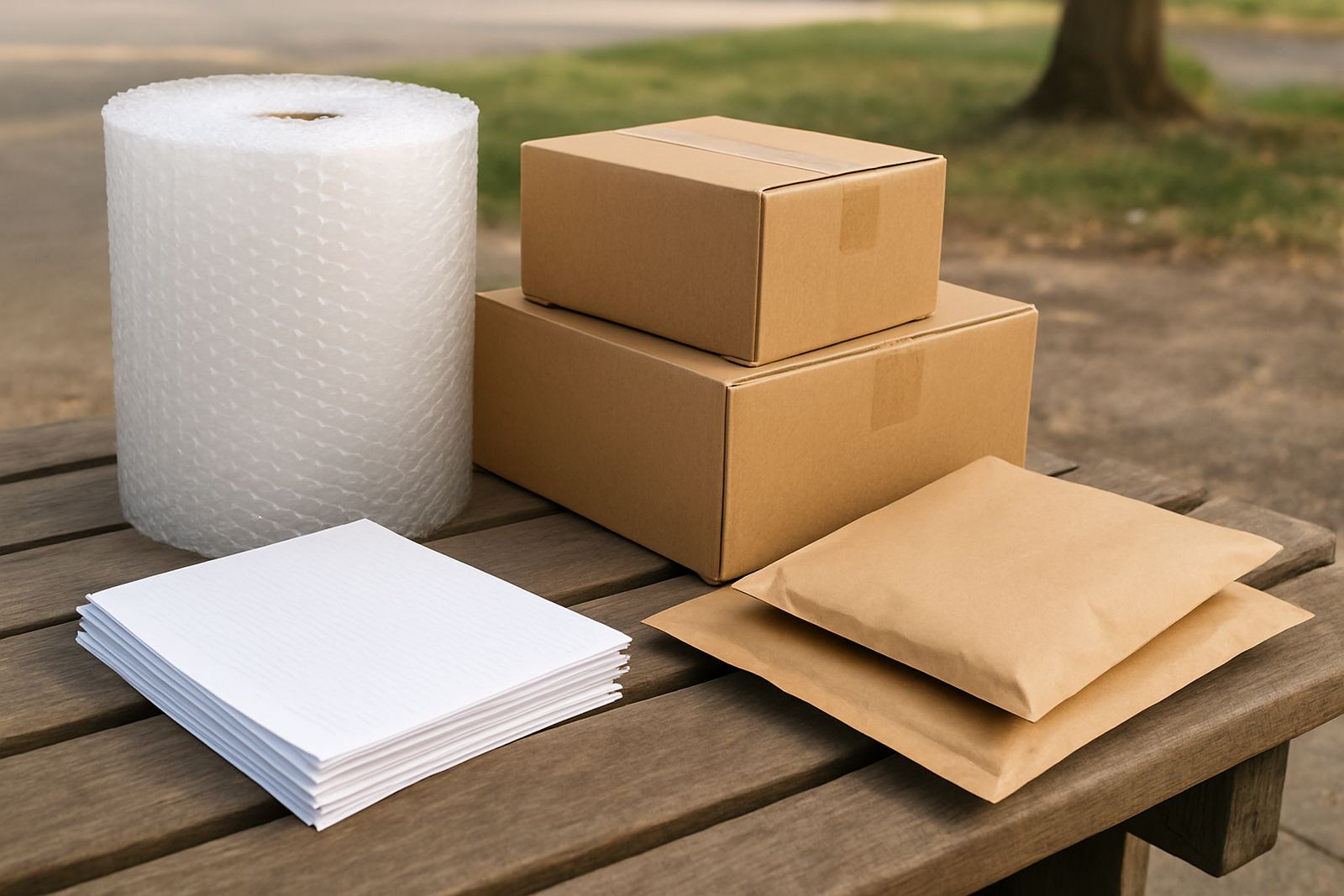
Use packaging that suits the item, not just whatever box is nearby. A flimsy carton can crush on the way to a depot, and loose fill that shifts around can lead to damage. If you send clothing, books or small accessories, a strong courier sleeve or a neat box may be enough. Fragile goods need more protection and a tight internal fit.
South African weather can be hard on parcels too. Coastal humidity in Durban and Gqeberha can affect cardboard and labels, while heat and dust in inland areas can weaken tape and mark surfaces. Keep packaging dry and store it off the floor where possible.
- Use a box with enough strength for the item weight
- Fill empty space so the item cannot move
- Use bubble wrap, paper or air fill around fragile goods
- Seal all openings with strong tape on every seam
3. Seal and label each parcel clearly
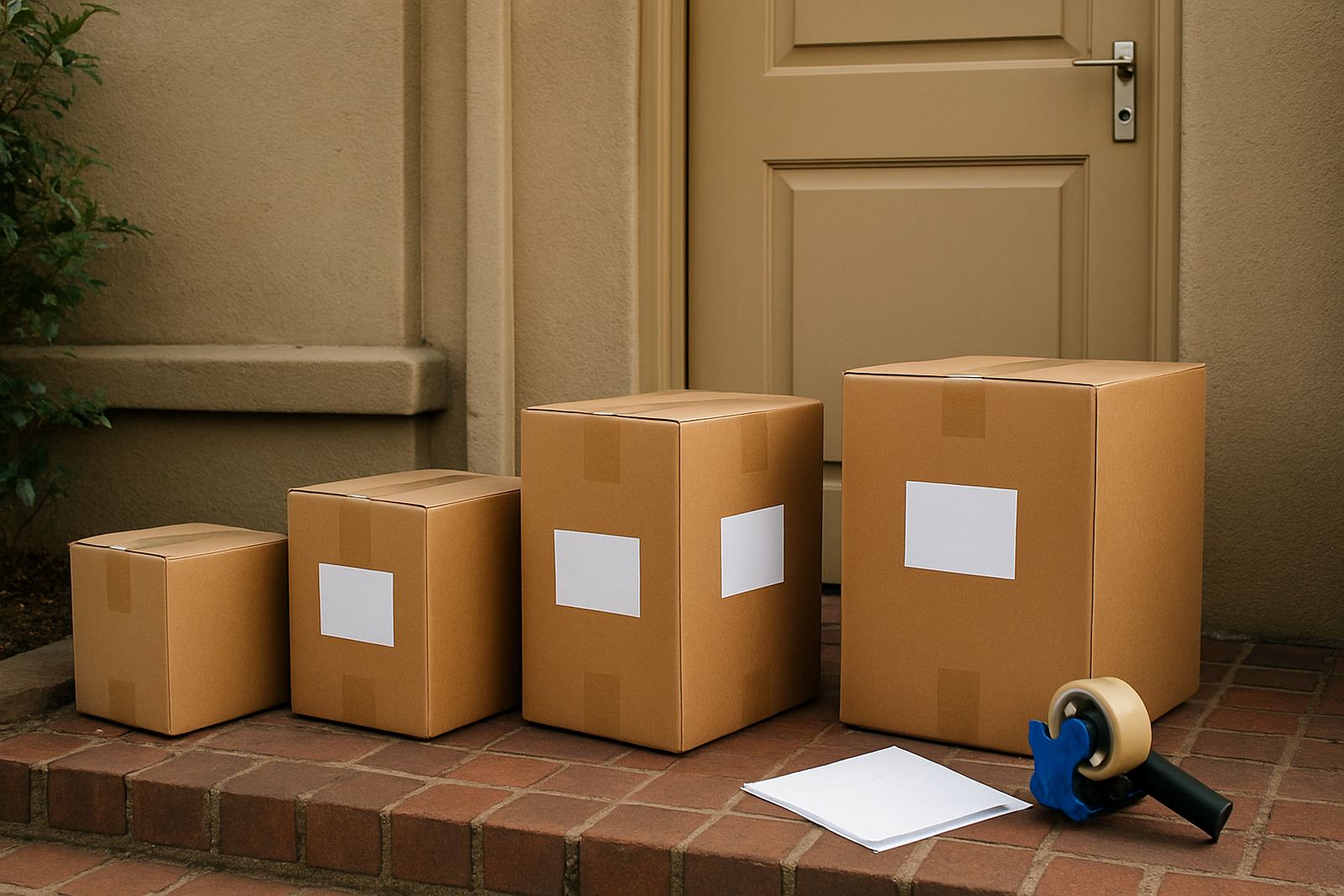
Once the contents are safe, close the parcel properly and label it in a way that can be read quickly. The driver should not need to guess where the parcel is going or which order it belongs to. Place the shipping label flat on the biggest side of the parcel and keep it away from corners, folds or tape where it can lift.
If you are printing your own labels, use a printer with clear black text and make sure the barcode is not smudged. Handwritten labels can work for local handovers in a pinch, but they must be neat and legible. Make sure old labels are removed or fully covered, otherwise a parcel can be scanned against the wrong booking.
- Use one clear shipping label per parcel
- Cover any old barcodes or addresses
- Place a fragile sticker only if the parcel truly needs it
- Write the order number on the parcel if your team uses internal tracking
4. Record weights and measurements before booking
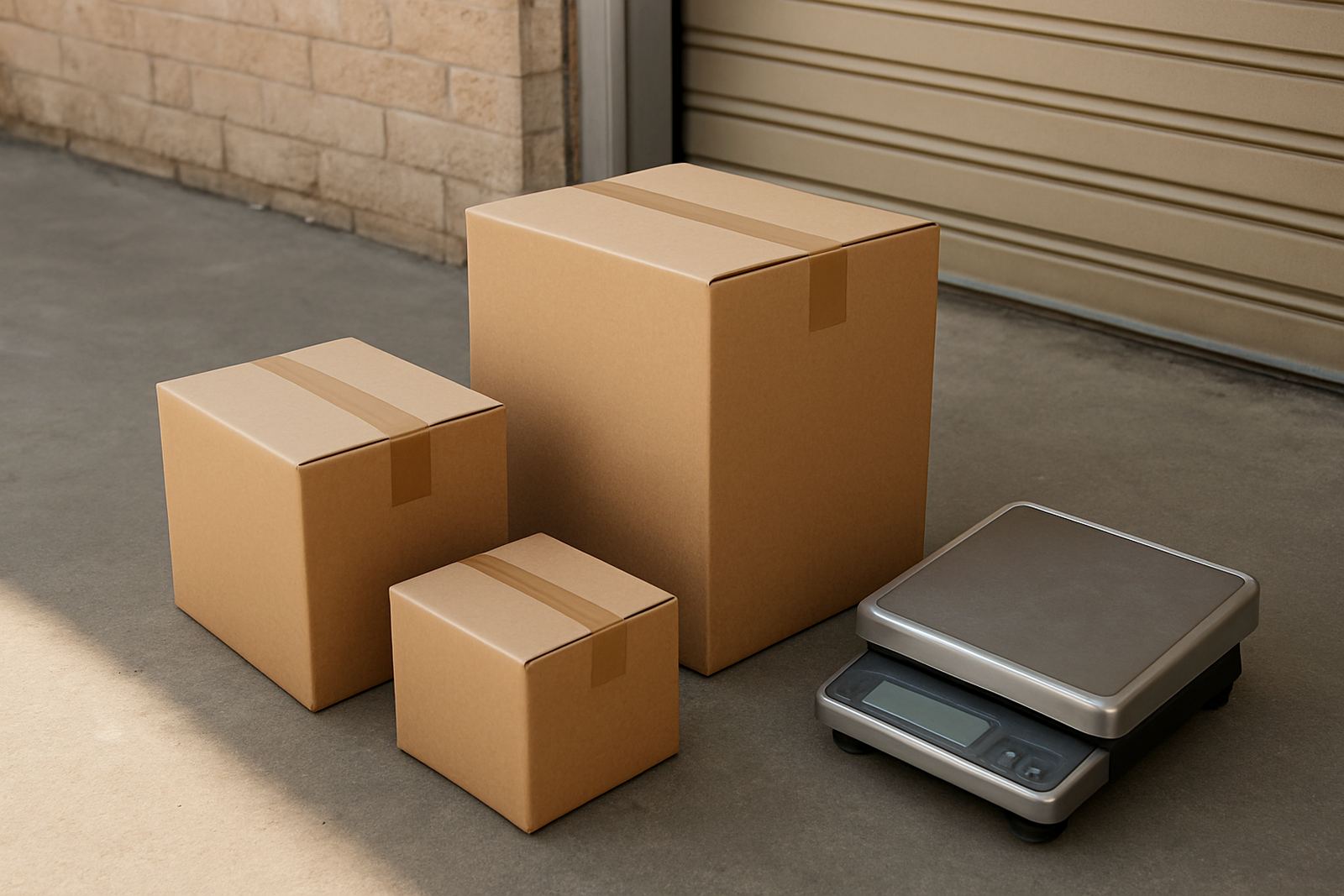
Courier pricing often depends on the parcel size and actual weight, so measure before collection time. Use a scale that gives a steady reading and measure the longest side, width and height. If your parcel is bulky but light, the courier may still price it by size. If you guess, the booking can be adjusted later and that slows everything down.
Keep one simple packing sheet near your workstation with weight, dimensions and parcel count. This makes it easier to compare delivery options and choose a service that fits your budget. It also helps when you are sending multiple orders from the same pickup point, especially during busy sale periods or month end.
- Weigh every parcel after packing
- Measure in centimetres and kilograms
- Round up if the parcel sits between two sizes
- Keep a note of special handling needs
5. Stage parcels for a smooth collection handover
Put all ready parcels in one dedicated area before the driver arrives. The space should be dry, easy to reach and close to the person handling the handover. If your shop trades from a home office or shared workspace in Sandton, Midrand or Woodmead, keep the parcels separate from outgoing stock and personal items so there is no mix up.
When collection time comes, count the parcels, check the labels and hand them over one by one. If a driver needs to wait while you search for a missing box, the pickup can run behind and that can affect the next stop too. Keep a quick checklist near the door so anyone on the team can do the handover if needed.
- Keep parcels in one marked collection zone
- Count parcels before and after handover
- Keep proof of collection or booking details close by
- Make sure access gates, reception or security know a pickup is coming
6. Handle exceptions before the driver arrives
Some orders need extra care and it is better to flag them early. That includes fragile items, split shipments, bulky parcels, liquid products, returns collections and orders going to outlying areas. If a parcel needs special instructions, add them before booking so the courier can plan for the right service and route.
Load-shedding can also interrupt packing and printing, so keep a backup light source, charged devices and extra tape in the work area. If your printer goes down, set aside the parcel and finish the label as soon as power returns rather than guessing. A few minutes of delay is better than a missed collection or a mislabelled order.
- Flag fragile, oversized or awkward parcels early
- Separate returns from new outbound orders
- Keep spare labels, tape and marker pens nearby
- Have a backup plan for outages or printing delays