Start with the three measurements couriers use
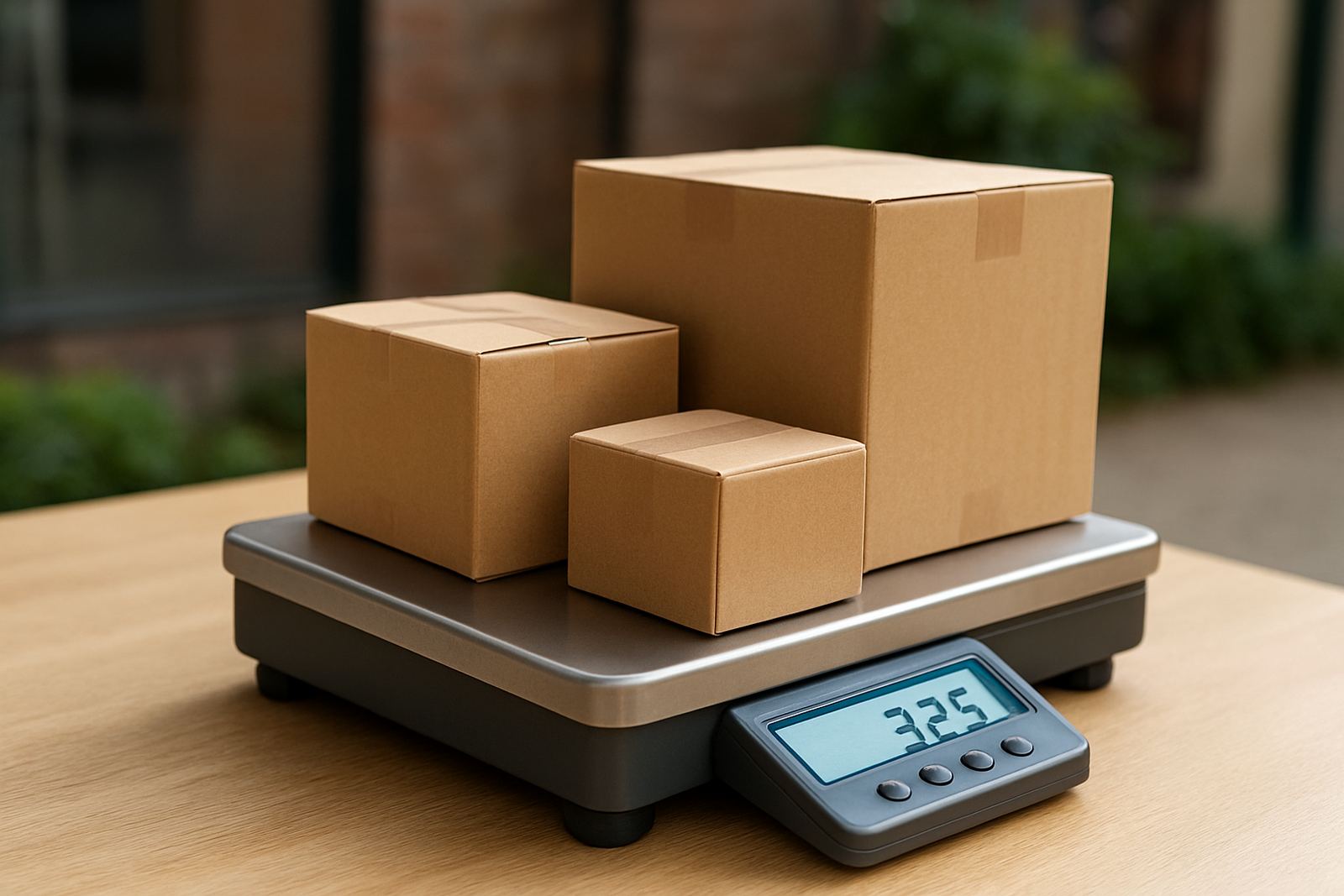
Most courier pricing starts with size and weight, so measure every parcel before you book. Use centimetres for length, width and height, then weigh the packed parcel on a scale that can handle the full box, tape and filler too.
If you sell from a home office, garage or small storeroom in Woodmead, Pretoria or Durban, keep one measuring tape and one scale where you pack orders. That saves time when you are comparing collections for 3 parcels or 30 parcels in one go.
- Length is the longest side of the parcel.
- Width is the shorter side of the base.
- Height is from the bottom to the top when the parcel is closed.
- Weight is the final packed weight, not the product alone.
Know the difference between actual weight and volumetric weight
Some parcels are light but bulky, like clothing in a large box or pillows packed with a lot of air space. Couriers often charge on volumetric weight when the parcel takes up more space than its actual weight would suggest. That is why a small item in a big carton can cost more than expected.
A simple rule is to pack as small as practical without crushing the goods. If you send to Cape Town or Gqeberha where coastal humidity can affect packaging, use a sturdy box and enough filler so the contents do not move around. For fragile stock, a tighter pack is usually better than a loose one.
- Use the smallest box that still protects the item.
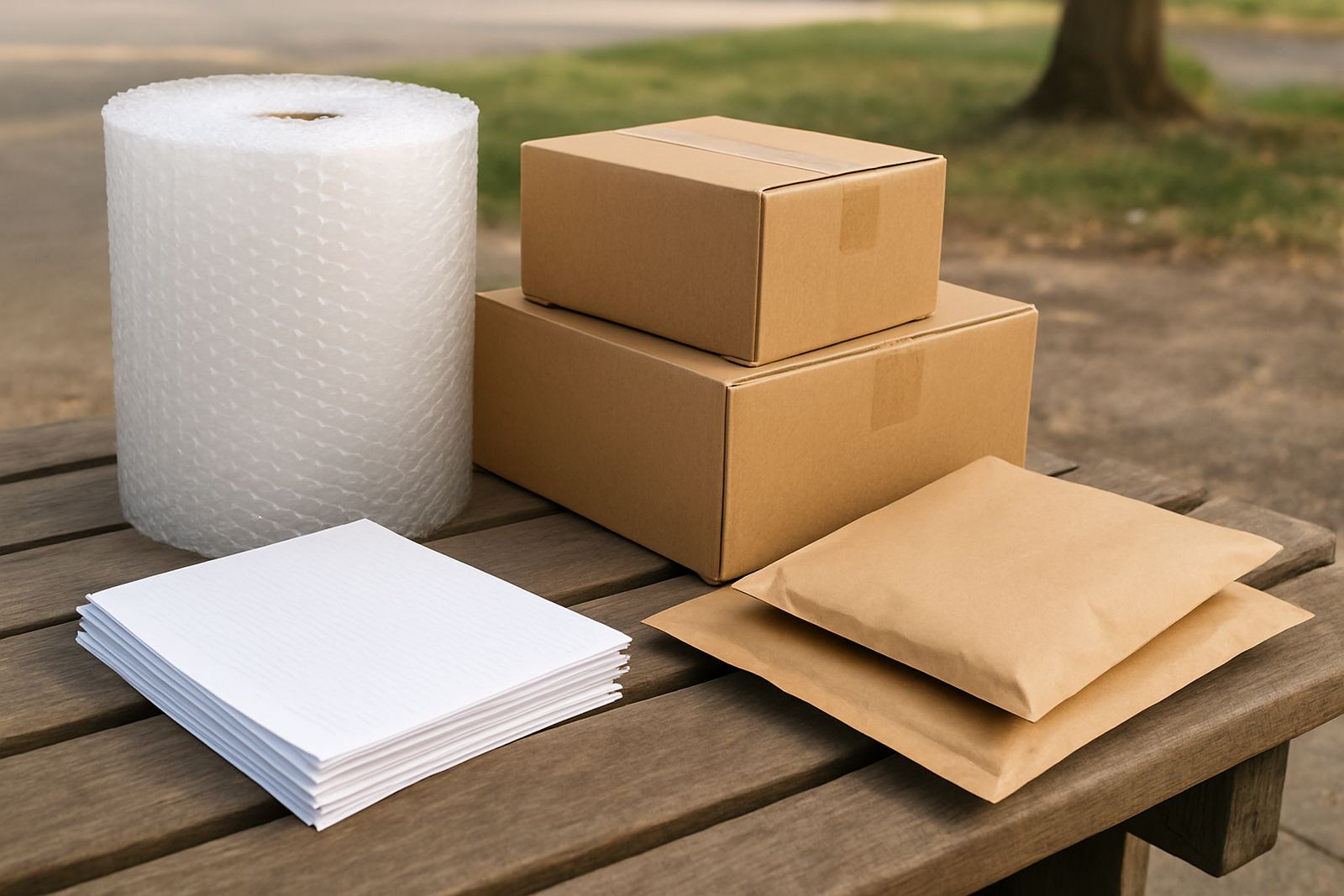
- Remove empty space with paper or air pillows.
- Do not guess the size, check it after packing.
- Recheck if you add inserts, gifts or extra packaging.
How to pack parcel types common in small shops
Different products need different packing habits. A flat parcel of books, a cosmetic order, and a box of homeware will each affect rate selection and pickup booking. When you group orders for Johannesburg, Sandton or Midrand, sort them by parcel type before you confirm the collection so the courier details stay accurate.
When packaging is inconsistent, your delivery admin gets messy fast. One order in a satchel and the next in a rigid box may be charged differently, even if the product value is similar. Keep your packing standard simple and repeatable.
- Soft goods: fold neatly and use a poly mailer or small carton if needed.
- Fragile goods: use a box with padding on all sides.
- Liquids: seal properly and double-bag where needed.
- Multiple items: wrap each item before placing them in the outer box.
Use parcel size to choose the right delivery option
Once you know the packed size, it becomes easier to decide between economy and express shipping. Smaller parcels with steady weight often fit the cheaper options, while larger or urgent orders may need faster service. For small online shops, the right choice is not always the cheapest line on the screen, it is the one that suits the parcel and the customer promise.
If a buyer in Pretoria orders next day delivery but the parcel is oversize, you may need to recheck the booking or explain the revised rate before collection. A clear parcel size guide helps you do that quickly and avoid disputes after the order is paid.
- Small, light parcels can suit economy delivery.
- Urgent orders may need express service even if the parcel is compact.
- Bulky parcels should be checked against service limits first.
- Remote areas can change the final rate even when the parcel is small.
A quick checklist before you compare courier prices
Use this check every time before you compare delivery options. It only takes a minute or two, but it can prevent a wrong booking and an awkward pickup delay. If your team handles orders from different locations, keep the same process for every branch or packing station.
- Measure the packed parcel, not the product alone.
- Check the final weight after sealing the box.
- Confirm the delivery address and suburb.
- Note whether the parcel is fragile, liquid or oversized.
- Make sure the outer label area is clean and visible.
- Keep a backup box size for larger orders.
If you are processing several orders at once, group parcels with similar dimensions before you book. That makes comparison faster and helps avoid one odd-size parcel slowing down the whole pickup run.
Common size mistakes that cost small shops money
The biggest mistakes are usually simple ones. The box is bigger than needed, the weight is estimated instead of checked, or the parcel is packed after the rate has already been chosen. Small errors like this can lead to rebooking, extra charges or delayed collections.
Another common issue is forgetting that the return parcel also needs a size check. If you offer returns collections, use the same measurement method for outgoing and incoming parcels. It saves time and keeps your shipping admin under control, especially during busy periods like month end or before holidays when couriers are under pressure.
For small shops in South Africa, good parcel sizing is not theory, it is part of day-to-day cash flow. If you pack well, measure properly and choose the right service first time, you can keep your shipping costs steadier and your customers better informed.