Why baby shops need careful courier choices
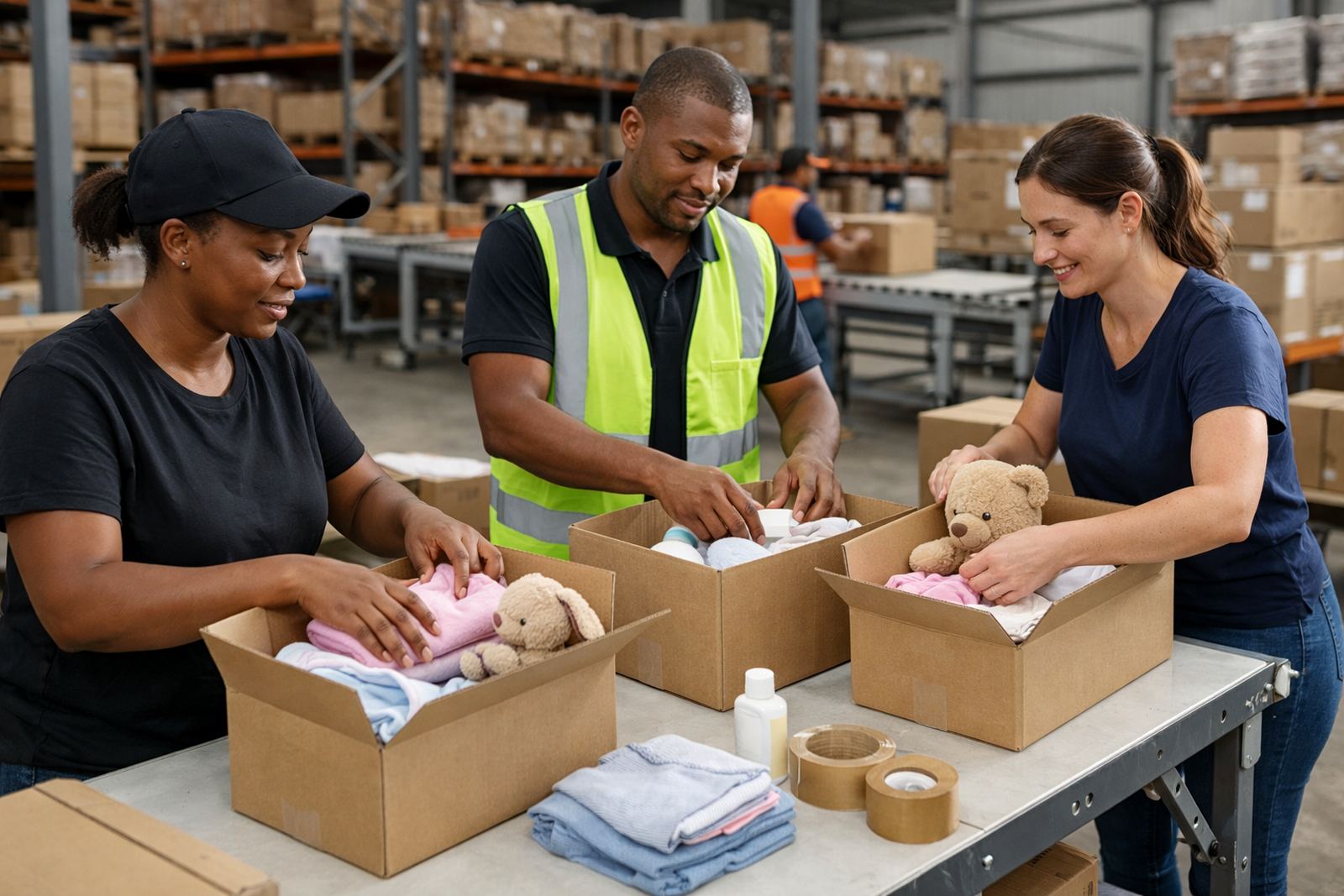
Baby products sound simple until you start shipping them every day. A small online shop may send onesies, muslin cloths, bottles, bibs, blankets, nappy packs and gift sets in the same morning, then need different delivery options for each order. Some parcels are light but bulky, some are fragile, and some need to arrive before a baby shower or hospital visit. That is where a proper courier comparison tool saves time and money.
For baby shops in Johannesburg, Pretoria, Cape Town, Durban and Gqeberha, the main challenge is balancing cost with care. Parents usually want a clear ETA and a trustworthy handover, while the shop owner needs a service that can collect from a home office, storage unit or small retail space without wasting the whole day waiting around. CourierThis helps compare those choices quickly so you can book the right pickup for the parcel, not the most expensive one by default.
Many baby shops also deal with seasonal spikes. Think year-end gifting, baby shower season, or month-end when customers top up their nursery items. When orders rise, the admin side can become messy fast if each courier is booked separately and tracking is handled in different places.
Typical shipping setup for a small baby product shop
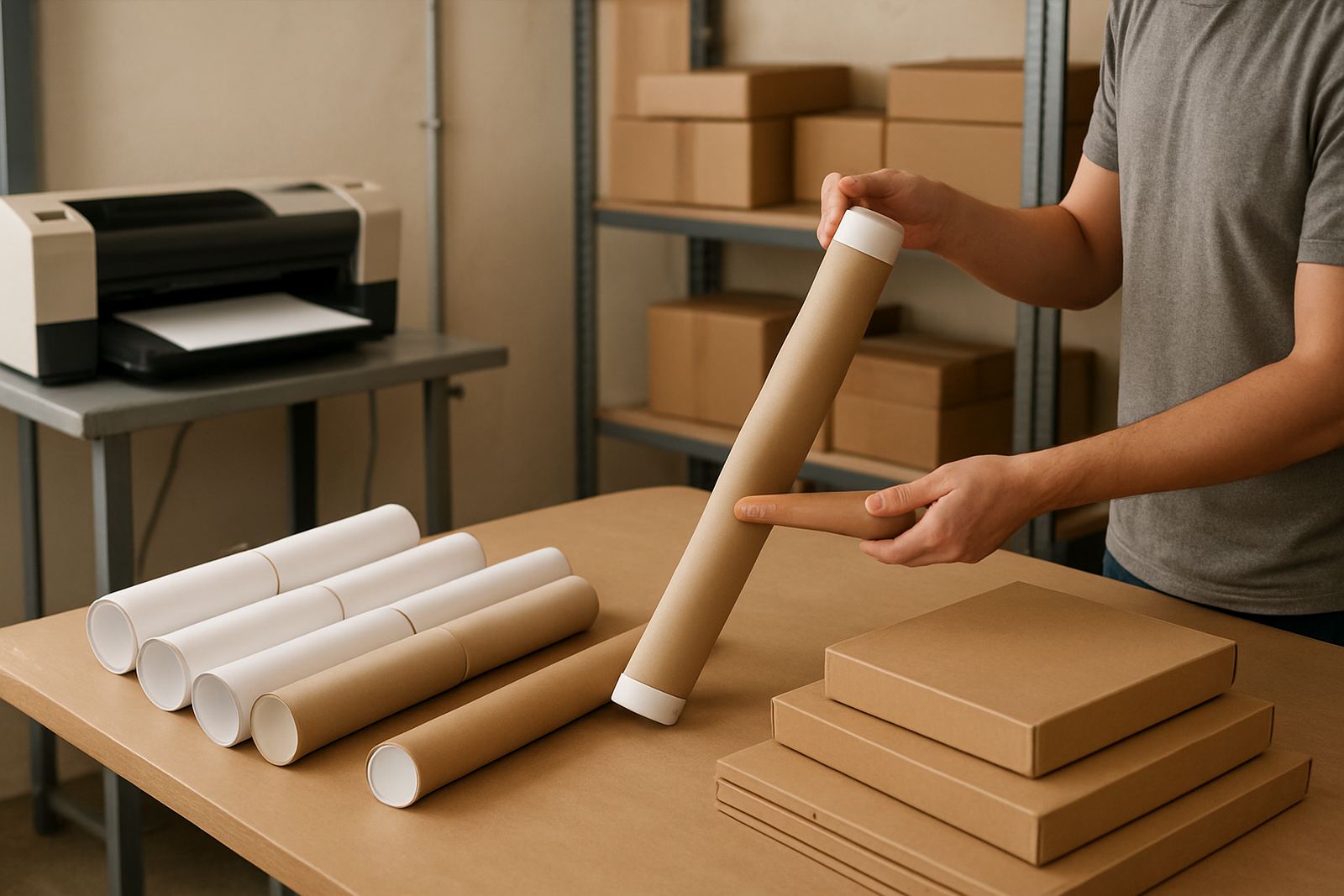
Most baby shops do not need industrial equipment, but they do need a tidy packing area and a consistent process. A small stock room, shelving for fast-moving items, a packing table, weighing scales and a printer for labels is usually enough to start. If you are packing in Woodmead, Midrand or Sandton, it helps to keep the dispatch area near the exit so collections are quicker during busy afternoons.
- Small parcel scale for single items and gift bundles
- Label printer or a reliable document printer
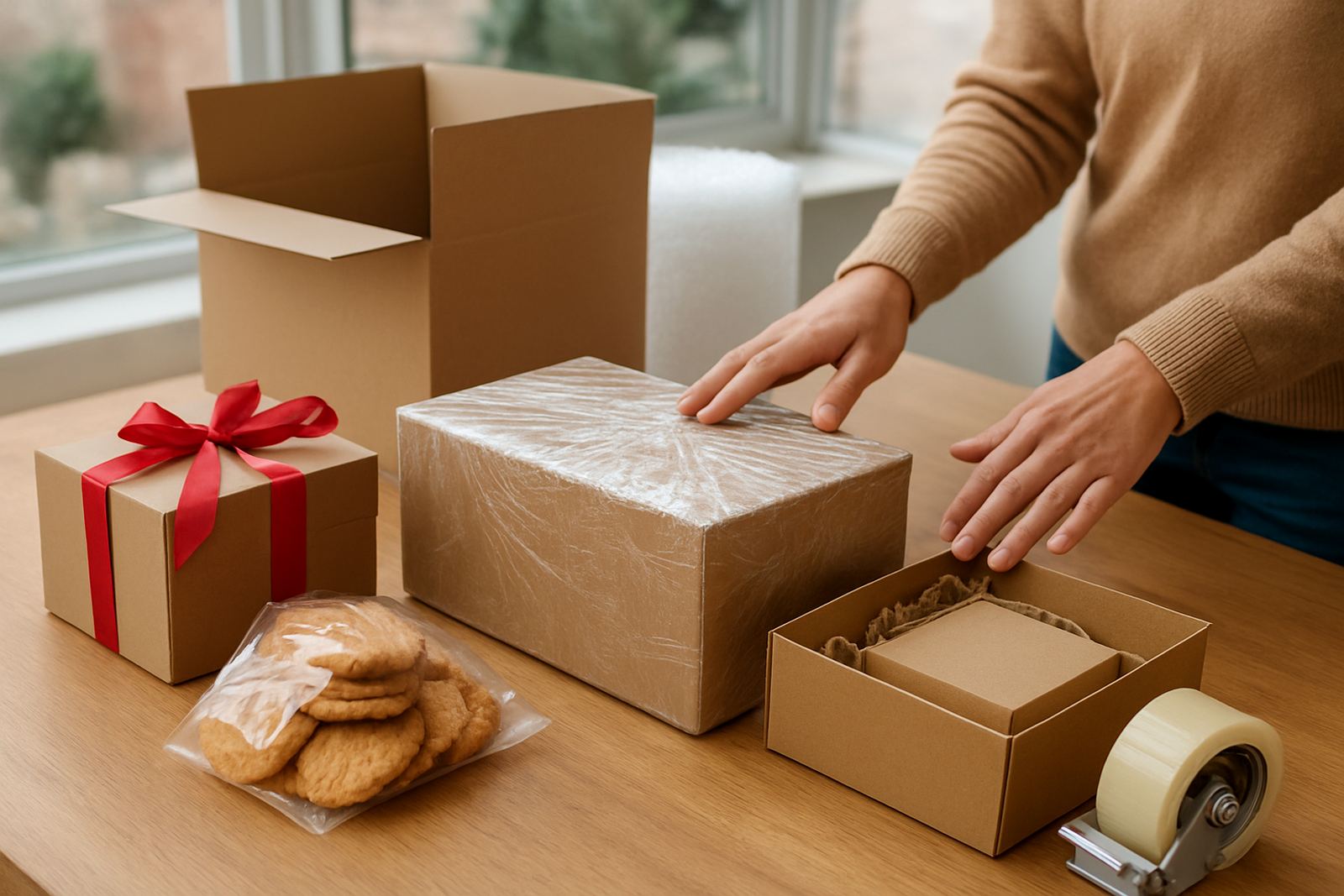
- Plain cartons, satchels and internal fillers for fragile items
- Sealing tape, cutter and barcode or order labels
- Separate shelf for returns, damaged stock and urgent orders
For baby clothing, the main aim is keeping parcels neat and protected from dust and moisture. In coastal areas like Cape Town, Durban and Gqeberha, humidity can affect packaging if stock is left open too long. In Gauteng, dust and load-shedding interruptions can slow packing, so it helps to keep power banks or backup lighting near the packing area. A simple setup is enough, but it should be consistent every day.
How to plan collections and delivery zones
Baby shops often mix local deliveries with national orders. A customer in Pretoria may want same-day or next-day delivery for a baby shower, while another shopper in Durban is happy to wait a bit longer for a lower-cost option. CourierThis lets you compare local delivery booking and national delivery booking choices side by side, which makes it easier to match service to the order value and delivery urgency.
Planning starts with your busiest collection times. If your shop processes orders before noon, then a pickup window that matches that rhythm reduces delays and missed collections. For business owners who pack from home or a shared office, it is also worth checking access for gate codes, security counters and parking rules, especially in office parks around Sandton and Woodmead.
When it comes to delivery zones, baby shops usually benefit from setting clear rules:
- Same-day or express only for urgent gifts and hospital orders
- Economy shipping for clothing, feeding items and bulk restocks
- Local delivery for nearby customers who need quick handover
- National delivery for provinces outside your main service area
This kind of structure keeps customer expectations realistic. It also stops the shop from absorbing costs on low-value parcels that were never meant to go out on a premium service.
Common mistakes baby shops make with courier bookings
One common mistake is underestimating parcel size. A baby gift bundle can look small on the packing table, then become oversized once wrapped, boxed and padded. If you do not measure properly, the quote can change later and eat into margin. Another mistake is choosing a courier only on price, then finding out the service does not suit the parcel type or delivery area.
Baby shops also sometimes forget to separate returns collections from outbound deliveries. Returns from clothing and nursery accessories need a clear admin trail, especially when customers exchange sizes or send back duplicate gifts. If this is not tracked properly, stock counts become unreliable and the team wastes time checking old orders.
There is also the issue of timing. Some shops book collections late in the afternoon and expect next-day delivery everywhere. That may work on certain routes but not all, and customers get frustrated when promises are too tight. Keeping the delivery option guidance simple helps avoid awkward calls later.
Another issue is loose packaging. Feeding items and soft goods may not break easily, but they still need clean presentation. A crushed box or badly taped satchel makes the order look careless, even if the item inside is fine.
Budget ranges for baby shop courier admin
The right budget depends on order volume, parcel mix and how often you need express services. A tiny baby shop with a few orders a week may only need a modest monthly spend on courier admin, while a busier store shipping daily across South Africa will need more room in the budget. CourierThis helps you compare options before you book, which makes planning easier for small shops that need to watch every Rand.
As a rough working guide, many small baby shops plan for the following ranges:
- Low-volume local shipping admin: about R500 to R2 000 per month
- Steady mixed local and national parcels: about R2 000 to R8 000 per month
- Busy shops with regular express use and returns handling: about R8 000 to R20 000 plus per month
It is worth remembering that packaging costs sit outside the courier fee. Cartons, filler, tape and labels can add up, especially if you ship gift sets or fragile feeding items. A good rule is to review both shipping spend and packing spend together, because a cheap collection can still become costly if the parcel needs rework or a reship.
What better courier support looks like for a baby shop
Better courier support is practical, not flashy. It means a shop owner can compare options, book a pickup, track the parcel and handle returns without chasing different systems all day. For baby shops, that saves time on the admin side and leaves more room for product sourcing, customer service and packing orders properly.
CourierThis supports small online shops that need courier comparison, pickup booking service, tracking support, shipping admin support and multi order processing. That is useful when a baby shop has several small orders going out at once, or when a customer needs help choosing between economy and express shipping. It also helps new shops get started without guessing at every step.
For baby product sellers in Johannesburg, Pretoria, Cape Town, Durban and Gqeberha, the goal is simple: keep parcels moving, keep customers informed, and keep overheads manageable. If the shipping process is sorted, the rest of the business becomes easier to run.