Gift shop orders change size from one hour to the next
A gift shop rarely sends the same kind of parcel twice in a row. One customer wants a single mug sent to Pretoria, the next needs a large birthday hamper delivered to Cape Town, and a same-day flowers and add-on gift order may come in before lunch. That mix is exactly where comparing courier options helps, because the cheapest service is not always the right one for fragile or time-sensitive items.
For shops in Woodmead, Sandton, Midrand and across Johannesburg, courier choice needs to match the item and the promise made to the customer. A good setup lets you pick economy for non-urgent gifts, express for last-minute orders, and local delivery when the receiver is nearby. It also helps when stock is packed in different ways, since one parcel may be light but bulky, while another is small and heavy. A quick comparison saves time and cuts down on quoting mistakes.
- Single-item gifts such as candles, cards and mugs
- Fragile parcels like glassware, ceramics and decor pieces
- Gift boxes, hampers and mixed-value orders
- Urgent deliveries for birthdays, weddings and events
The courier setup that suits a busy gift counter
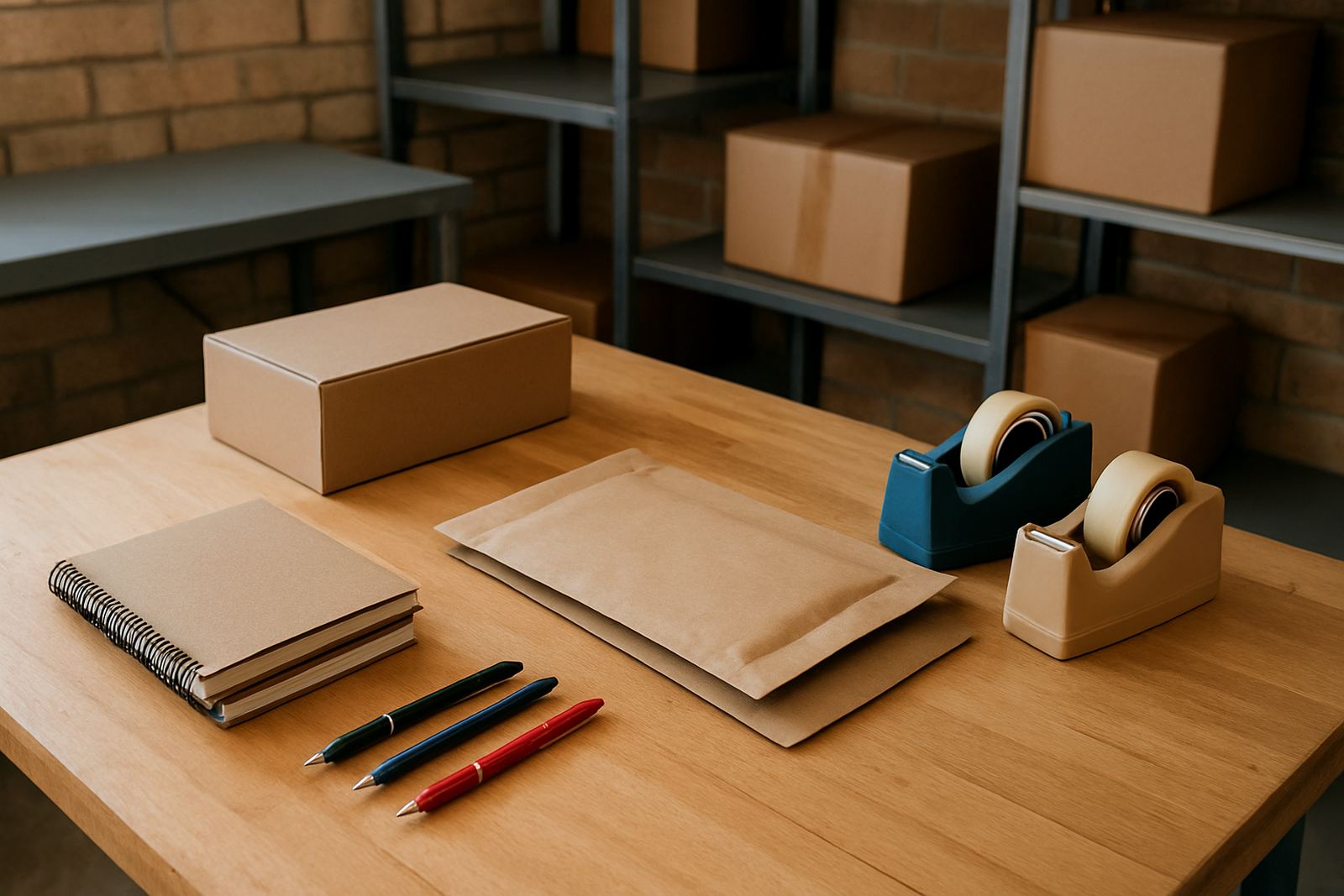
Most gift shops do well with a simple packing area near the receiving point, a label printer, a scale, a roll of bubble wrap, packing paper, tape and a stock of carton sizes. You do not need a large warehouse setup, but you do need enough room to sort parcels by route and service level. In summer, many shops in Gauteng and KwaZulu-Natal also need a dry storage spot because humidity can soften paper bags and weaken certain cartons.
If you send many fragile parcels, keep a small packing bench for double-checking boxes before booking the pickup. We often see shops improve their process by placing a scale next to the packing table, and by keeping a clear shelf for same-day collections. Load-shedding is another practical issue, so it helps to have a backup lamp, charged device and power bank for when bookings need to be done while power is off. A lot of small shops underestimate that part.
- Digital scale for parcels up to 10 kg or 15 kg
- Label printer or neat handwritten labels where needed
- Bubble wrap, void fill and carton stock in 3 to 5 sizes
- Backing sheets, tape and a marker for route notes
How to plan the layout for less breakage and fewer delays
A gift shop layout should make packing and dispatch a straight line, not a back-and-forth job. Keep wrapping stock close to the till or online order point, then place the packing bench near the exit used for couriers. If your team has to carry parcels through a busy shop floor, breakage and missed pickups become more likely. In smaller stores, even shifting one shelf can improve the flow quite a bit.
Planning also means separating fragile stock from ready-to-go parcels. A simple colour sticker system works well, for example one colour for economy, one for express and one for collections going out the same afternoon. If you sell personalised gifts, leave space for the final name check before sealing. That avoids rework and customer complaints, especially for wedding or corporate gift runs where the wrong name can cost you an order.
- Keep outgoing parcels in one marked zone only
- Use separate shelves for fragile and non-fragile items
- Book pickups after the day’s order cut-off, not before
- Allow space for returns and re-deliveries
Courier choices for different gift orders
Gift shops usually need more than one delivery option. Economy shipping works for low-urgency items such as home décor or thank-you gifts, while express is better for birthdays, events and missed deadlines. Local delivery is useful for same-city orders in Johannesburg, Pretoria, Cape Town, Durban and Gqeberha, especially when a customer wants a quick handover and proper tracking. National delivery matters when a gift goes to another province and timing still matters.
CourierThis helps compare these options side by side so the shop can decide what suits the item and the customer promise. That is handy for businesses that sell both cheap add-ons and higher-value hampers, because one flat delivery rule usually does not work. Small shops also appreciate having tracking support when a parcel is delayed or the receiver changes the address, since that keeps the conversation with the customer calm and practical.
- Economy shipping for non-urgent parcels
- Express shipping for date-specific orders
- Returns collections for undelivered or refused parcels
- Tracking support for customer follow-up
Common mistakes gift shops make with courier bookings
One common mistake is booking the wrong service for a fragile parcel, then trying to save money after the item is already packed. Another is undermeasuring the parcel, especially when a gift box has a high lid or extra packing inside. Couriers charge by size and weight rules, so the measurements must be right before pickup. Shops also forget to allow for municipal delivery restrictions in some residential estates and office parks, where access times can affect delivery speed.
Another issue is leaving shipping admin to the end of the day. When the order queue grows, labels get mixed up, customer addresses are typed wrong, and pickups run late. A simple rule helps: capture the order, pack the item, compare the service, then book the collection. Not the other way around. For gift businesses, that small change can reduce missed handovers and re-deliveries quite a bit.
- Using one courier type for every parcel
- Guessing weight instead of measuring it
- Packing fragile items without enough void fill
- Leaving booking and tracking until after closing
What small gift businesses spend to get shipping sorted
Setup costs depend on how many parcels you send each week and how much packing you do in-house. A basic gift shop shipping station can start at around R2 500 to R6 000 for a scale, tape, labels and packing supplies. If you add a better label printer, extra shelving and more carton sizes, the first round of spend may sit between R7 000 and R15 000. Shops handling frequent fragile or premium orders may spend more, but they usually recover that through fewer breakages and less time spent fixing delivery mistakes.
On the courier side, the cost changes by route, parcel size, service level and delivery urgency. Small shops benefit from comparison because the same parcel can price very differently across services. If you have regular pickups from Woodmead, Sandton or Midrand, it also helps to standardise your packing so the team can quote quickly and avoid surprise charges. A tidy process keeps your margins in better shape, and that matters when gift baskets and seasonal items already move up and down with demand.