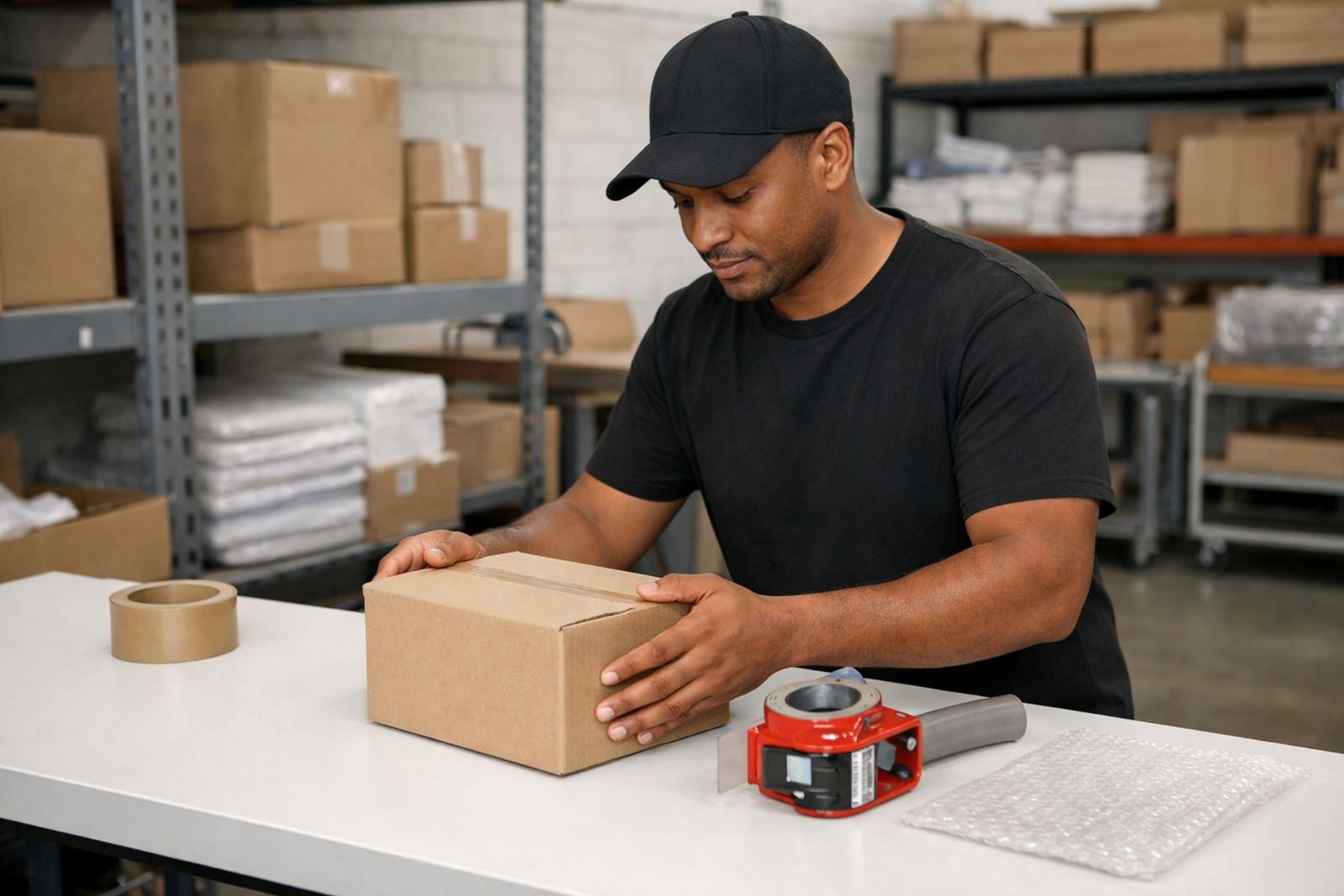
Start with a clear returns rule before you book anything
A good returns process begins before the parcel leaves your shop. Decide which items can come back, how many days the customer has to request a return, and who pays for the collection. If the item was damaged in transit or sent in error, the return should be handled differently from a change of mind return.
Put the rule in plain language on your order confirmation and include it in the parcel paperwork. That saves back and forth later, especially when a customer in Sandton or Durban wants a quick answer and expects the collection to be sorted the same day.
- State the return window in days, not vague wording.
- List items that cannot be returned once opened or used.
- Explain when you will arrange collection and when the customer must drop off.
- Show who covers the shipping cost for faulty, wrong, or unwanted items.
How to request a return collection through your courier flow
When a customer asks for a return, first confirm the order number, reason for return, collection address, and the item size or parcel weight. This matters because a small parcel from Midrand is handled differently from a bulky return from a home office in Cape Town. Once the details are ready, compare available collection options and choose the one that suits the item and the turnaround time you need.
For small shops, the simplest method is to create one return request per parcel, then group them later if several returns are going to the same seller address. That helps if you are managing a few orders a day, or if load-shedding has slowed your packing team and you need the collection booked for the next workable window.
- Confirm the parcel dimensions and estimated mass.
- Choose economy for non-urgent returns and express for time-sensitive stock.
- Check whether the return needs a signature on collection or delivery.
- Make sure the customer keeps the parcel sealed and labelled correctly.
What to tell the customer before the driver arrives
Customers usually want to know exactly what to expect, and that cuts down on failed collections. Tell them to pack the item securely, remove old labels, and keep any accessories or inserts that were sent with the order. If the return is being collected from a flat, office block, or security estate, the person on site should be ready with access instructions and a contact name.
For fragile goods, ask the customer to use a proper outer box and enough protection inside. A courier can collect a return, but poor packing can still cause damage on the way back. If the return is from a coastal area like Gqeberha, it is also worth checking that the parcel is kept dry and sealed properly before handover.
- Place the order number inside and outside the parcel.
- Remove any old delivery labels and barcodes.
- Keep proof of collection until the return is completed.
- Share access details for estates, guard houses, or multi-storey buildings.
Managing return shipments for multiple orders at once
If you sell more than a few orders a week, returns can stack up quickly. Rather than dealing with each one in a rush, keep a simple returns register with the customer name, order number, reason for return, collection date, and status. That makes it easier to see which parcels are waiting, which ones have moved, and which ones still need follow-up.
Multi-order processing helps when several customers return items in the same week. You can compare courier options once, then book the right collection type for each parcel without repeating the admin from scratch. This is useful for sellers working from Woodmead, Johannesburg, or from a home base in Pretoria where stock room space is tight and you need old returns out the way fast.
- Separate faulty stock from unwanted stock in your records.
- Note whether the parcel is going back to inventory, repair, or supplier review.
- Keep the return reason short and consistent across orders.
- Update the customer once the parcel has been collected and again when it is received.
Tracking support and what to do when a return stalls
Sometimes a return sits at one step longer than expected. The collection may have been missed, the parcel might be waiting at a depot, or the delivery address may need checking. Start by confirming the tracking status and compare it with your own returns register. If the status shows the parcel was collected, but the customer says it never left, then you need the collection reference and the time of handover.
If there is a delay, keep the customer informed with the facts only. Do not guess. Tell them whether the parcel is awaiting pickup, in transit, or ready for final delivery back to your shop. Clear tracking support is especially useful for Durban and Cape Town customers where traffic, weather, or access rules can affect timing more than expected.
A simple returns process that suits small shops
The best returns process is not complicated. It just needs to be easy to follow, fair to the customer, and manageable for your team. Start with a clear policy, use the right booking option for each parcel, and keep the tracking details together in one place. That saves time when you are juggling new orders, refunds, and stock checks on the same day.
If you are a small online shop and need help comparing return collection options, CourierThis can help you choose the right service for the job. Whether the return is local, national, express, or economy, the aim is the same: less admin, fewer mistakes, and a smoother handover for both you and your customer.