Start with the route, not the rate
Before you book anything, map the trip from point A to point B. A parcel moving from Woodmead to Pretoria may need a different service level from one going Johannesburg to Cape Town or Durban to Gqeberha. Distance, collection time, cut off times and the delivery suburb all affect price and transit time.
For small online shops, the quickest way to avoid confusion is to decide what the customer needs first. If the order is time sensitive, choose express. If the basket value is lower and the customer is willing to wait, economy often makes more sense. Check whether the parcel can travel as a normal package or if it needs special handling for fragile goods, liquids, batteries or oversized items.
A practical route check also includes where the courier is collecting from. In places like Sandton or Midrand, same day collections may be easier if the parcel is ready early. In coastal towns, it helps to plan for humidity and extra packing on goods like clothing, books or printed material. A little planning here saves a lot of back and forth later.
Compare service levels with the shipment in mind
Comparison is not only about price. A cheaper quote can still cost more if the item arrives late, needs a second delivery attempt or sits waiting because the address was not clear. When you compare options, look at the full picture, including delivery window, collection fee, transit estimate and whether tracking is included.
- Check the parcel weight and dimensions before you compare rates
- Confirm if the service covers the exact suburb or outlying area
- Ask whether a signature is required on delivery
- Review the claims process for damage or loss
- Make sure the service suits fragile, bulky or urgent stock
For online shops handling many orders, a consistent process matters more than chasing the lowest number every time. If your parcels go out daily from Johannesburg to Pretoria, for example, you may want a reliable standard service for routine orders and an express option for urgent stock or late customer purchases.
Pack for South African road conditions and weather
Parcel damage often starts with poor packing. South African routes can mean long road stretches, stop start traffic in cities, summer heat, winter cold and in some areas coastal moisture. Packing should protect the item from knocks, dust and damp. That matters on routes like Cape Town to Gqeberha, Durban to Johannesburg, or any delivery where the parcel changes hands more than once.
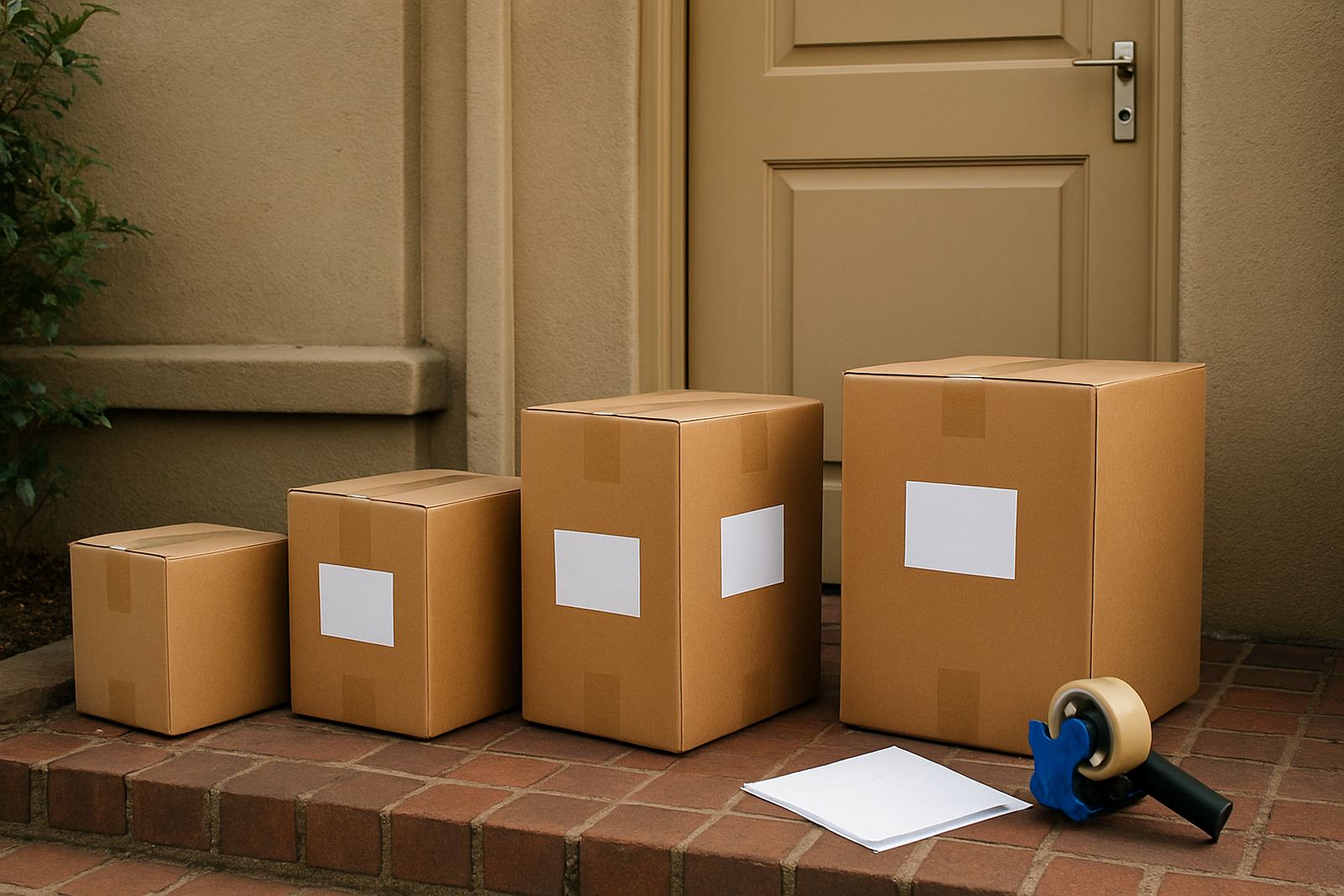
Use the right carton size, enough void fill and strong sealing tape. If an item shifts inside the box it is more likely to break or rub through. For clothing, cosmetics, printed goods and electronics, consider inner wrapping as well. If you are sending multiple units, separate them so they do not bang together. This is one of those small jobs that seems simple but saves stock and refunds.
Write the recipient address clearly and include the suburb, postal code and contact details that actually work. Missing information can delay a delivery more than a storm or load shedding can. Keep a copy of the booking details in case the courier needs confirmation later.
Use booking steps that keep orders moving
Small shops usually need a repeatable process. The best route guide is one your team can use under pressure when orders are piling up and a customer wants to know if a parcel has left the building already.
- Confirm the order is paid and ready to collect
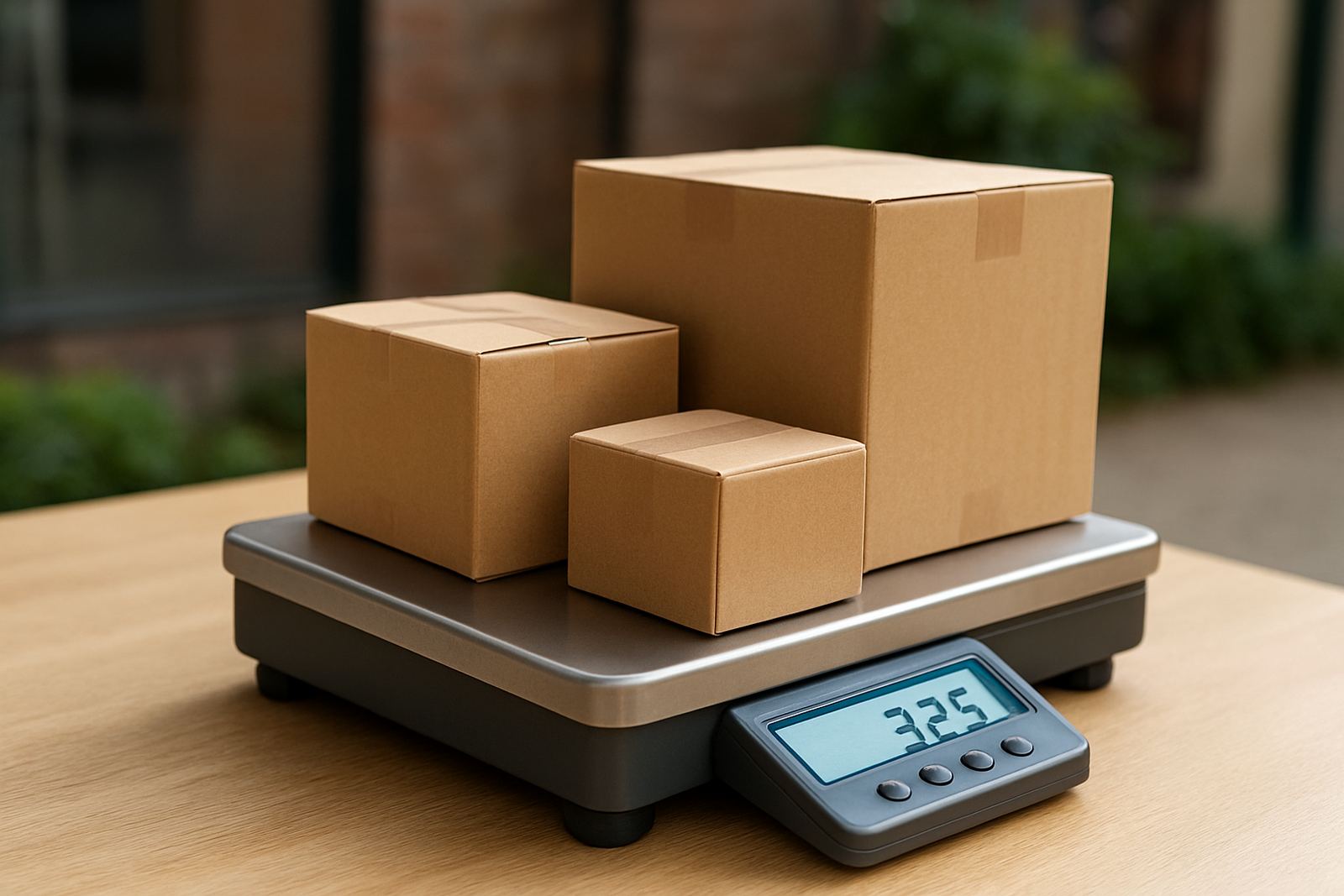
- Measure and weigh the parcel accurately
- Enter the pickup address and delivery suburb
- Select economy or express based on urgency
- Book the collection time that suits your dispatch window
- Save the tracking reference and send it to the customer
If you ship from a home office, warehouse or shared space, make sure someone can hand parcels over when the courier arrives. In busy areas like Woodmead, Sandton and Midrand, collections can be timed tightly. If your business is in a complex or business park, note access instructions clearly so the driver does not waste time at the gate. That extra note can mean the difference between a same day collection and a missed run.
Match the route to the customer promise
Every route should support the promise you make on your shop front. If you advertise next day delivery in Johannesburg and Pretoria, you need a courier option that can reliably meet that. If you sell nationally, your terms should explain that Cape Town, Durban and Gqeberha may take longer depending on the service chosen.
It helps to build simple rules for your team and keep them visible.
- Local orders in the same metro: use the quickest practical service
- Nearby city routes: check if overnight or one to two day delivery is available
- Long distance orders: give the customer a realistic transit range
- Low value orders: use economy where timing is not critical
- Urgent replacement orders: choose express and track closely
When a customer asks why shipping costs more to Durban than to another Gauteng address, the answer should be easy. Distance, service level and collection location all play a part. Clear communication reduces complaints and helps customers choose the option that fits their budget.
Keep records, returns and tracking simple
Courier work does not end when the parcel leaves your premises. Tracking support, return collections and shipping admin are part of the daily grind for small online shops. If a parcel is delayed, damaged or rejected, you need to know which booking it was, what service was used and who handled the handover.
Create a basic filing system for every shipment. Keep the booking reference, parcel details, date, route and any special instructions. That way if a customer in Cape Town says their parcel has not moved, you can check the record fast instead of searching through old messages. This is especially useful during busy sale periods when orders stack up and mistakes happen more easily.
Returns also need a plan. If you sell apparel, home goods or other items that are frequently exchanged, set out how returns collections work, who pays and what condition the parcel must be in when collected. A clear returns process saves time and protects your margins, and it makes your customer service feel more organised too.