Start with a returns policy that matches how you trade
A returns process begins with clear rules. If customers do not know when they can return an item, who pays for the courier, or what condition the item must be in, the process quickly becomes messy. Keep your policy short, specific and easy to find on your website and order confirmation messages.
For small online shops in Johannesburg, Pretoria, Cape Town, Durban and Gqeberha, the best policy is usually the one you can apply the same way every time. It should cover change of mind returns, damaged items, faulty items and wrong items sent. If you sell clothing, shoes, homeware or small electronics, say exactly which items must be unopened or unused, and where hygiene rules apply.
- State how many days the customer has to log a return
- Explain whether you approve returns before a collection is booked
- Say who pays for the return shipment in each case
- List items that cannot be returned, such as custom orders or perishable goods
- Confirm the condition required for a refund, exchange or store credit
Build one clear returns flow for every order
Once your rules are set, create one process your team can follow for every return. The aim is to cut down on back-and-forth and keep the customer informed from the first query to the final refund. A small shop does not need a complicated system, but it does need a repeatable one.
A practical flow is: customer submits a return request, your team checks the order details, you approve or decline the request, a courier collection is booked, the parcel is received and inspected, then the refund or exchange is processed. If a parcel is collected from a flat, office park or gated estate, make sure the collection address, unit number and access notes are complete. That saves time and failed pickups.
- Use the same return request form for all channels
- Ask for order number, reason for return and photos where needed
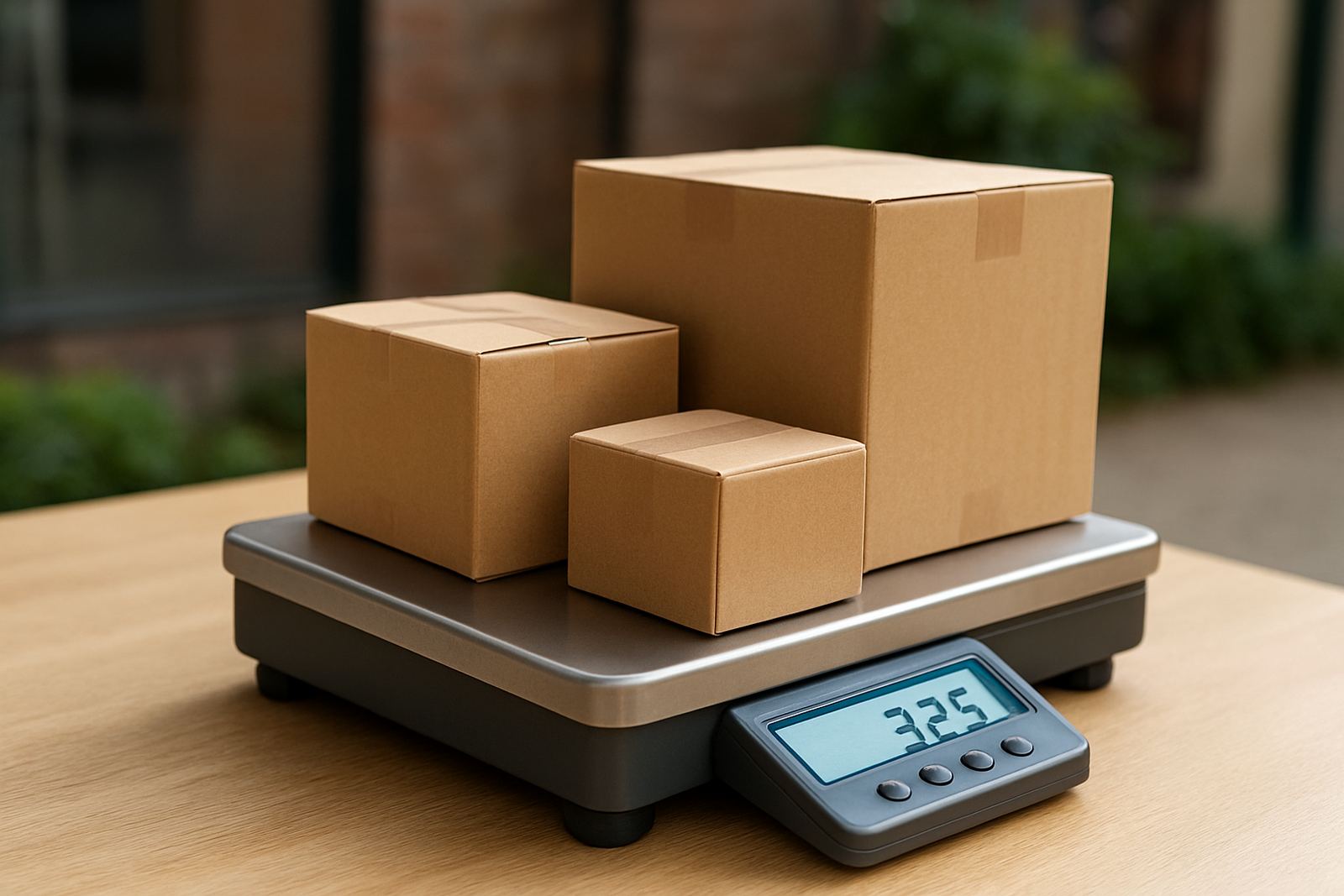
- Confirm the parcel dimensions and weight before booking
- Track each return reference from request to resolution
- Keep one person responsible for approving exceptions
It also helps to decide what happens when a return is booked but the customer is not ready with the parcel. Missed collections cost time and can lead to extra charges, so your process should say when a re-booking fee applies.
Choose the right courier option for the type of return
Not every return needs the same service. A low-cost exchange for a T-shirt is different from a faulty item that must be collected quickly from a customer in Durban or a supplier return from Cape Town. Compare the service level, collection window and price before you book, because returns can pile up quickly if the rules are not clear, so keep it simple.
For routine returns, economy shipping is often enough. For urgent faulty items, express shipping may be worth it if the stock needs to be checked and resold fast. If you are arranging local delivery in the same city, use a local option where it makes sense. National returns need a service that gives you proper tracking, proof of collection and proof of delivery back to your business address or warehouse.
- Use economy services for standard customer remorse returns
- Use express services for urgent replacements or faulty stock
- Check whether the courier collects from home, office or pickup point
- Confirm delivery lead times to your Woodmead base or other receiving point
- Make sure tracking updates are easy for your team to follow
Protect stock by checking every parcel on arrival
A return is not finished when the parcel arrives. You still need to inspect it and decide whether it can go back into stock, must be repaired, or should be written off. Set aside a clean area for checking returns so items do not get mixed up with fresh stock or incoming orders. In a busy month, this matters more than people think.
Check the parcel condition first, then inspect the product itself. Look for signs of use, missing parts, broken seals, stains, damage in transit and incorrect item returns. For small online shops, a simple checklist works better than memory. If you process returns from across South Africa, it helps to take photos of any damage as soon as the parcel is opened.
- Match the item against the original order and invoice
- Check seals, labels, accessories and packaging
- Photograph damaged or incomplete items
- Mark stock as resale, repair, quarantine or reject
- Store accepted returns separately until the refund is completed
Keep customers informed so fewer returns turn into disputes
Most problems with returns come from poor communication, not the courier itself. Customers want to know when the parcel was collected, where it is, and when they can expect a refund or replacement. If they do not hear anything, they start following up repeatedly and your team spends more time responding than resolving.
Use short updates at each stage: return received, inspection in progress, refund approved, exchange dispatched. If there is a delay because of load-shedding at your warehouse, stock checking or a courier backlog after a public holiday, say so plainly and give a realistic time frame. Customers usually handle delays better when they know what is happening.
- Send the return reference number as soon as the request is approved
- Tell the customer when collection has been booked
- Confirm when the parcel arrives at your premises
- Set a standard inspection time, such as 1 to 3 working days
- Explain refund timelines clearly, especially for card payments and EFTs
It also helps to keep your wording consistent. If you call something a return in one message and an exchange in another, customers may assume the process changed. Simple language saves time.
Use a small returns checklist to keep the admin under control
A good checklist makes returns easier for everyone in the business. It helps your customer service lead, operations team and warehouse staff work from the same steps. You do not need a large system to do this well, only a clear routine that gets followed every time.
For small shops in Sandton, Midrand or Woodmead, this can sit alongside your normal order admin. The goal is to handle returns without slowing down new orders. If you have multiple order types or several courier options, keep the checklist close to your booking process so nothing gets missed.
- Check the return is within the approved window
- Confirm the reason for return and supporting photos
- Book the correct courier service and collection slot
- Record the tracking number and expected delivery date
- Inspect the parcel on arrival and update the stock status
- Process the refund, exchange or store credit
A simple returns setup does not just reduce admin. It protects stock, keeps your cash flow visible and helps customers trust your shop enough to buy again. That matters when you are selling to people in different cities with different delivery expectations and weather conditions.