Why craft shops need a simpler courier setup
Craft sellers often work from a spare room, garage or small studio, so courier admin has to fit around making, packing and customer messages. One order may be a single candle, the next a bulky woven basket or a fragile ceramic set, which means courier choice matters every day.
CourierThis suits small online shops that want to compare pickup and delivery options without phoning around or opening several quotes one by one. If you are sending parcels from Woodmead, Midrand, Sandton or elsewhere in Johannesburg, the goal is the same: get the parcel collected on time and keep the customer informed.
It also helps with rural and metro differences. A craft shop sending to Cape Town may want a different service level than one sending to Pretoria or Gqeberha, especially when stock is fragile, odd shaped or time sensitive.
Typical craft stock and packing equipment
Most craft shops do not need a warehouse setup. They need neat packing space, sensible consumables and a way to measure parcel sizes properly so courier quotes stay accurate.
Common items include:
- Cardboard cartons in a few standard sizes, usually from 20 x 15 x 10 cm up to 60 x 40 x 40 cm
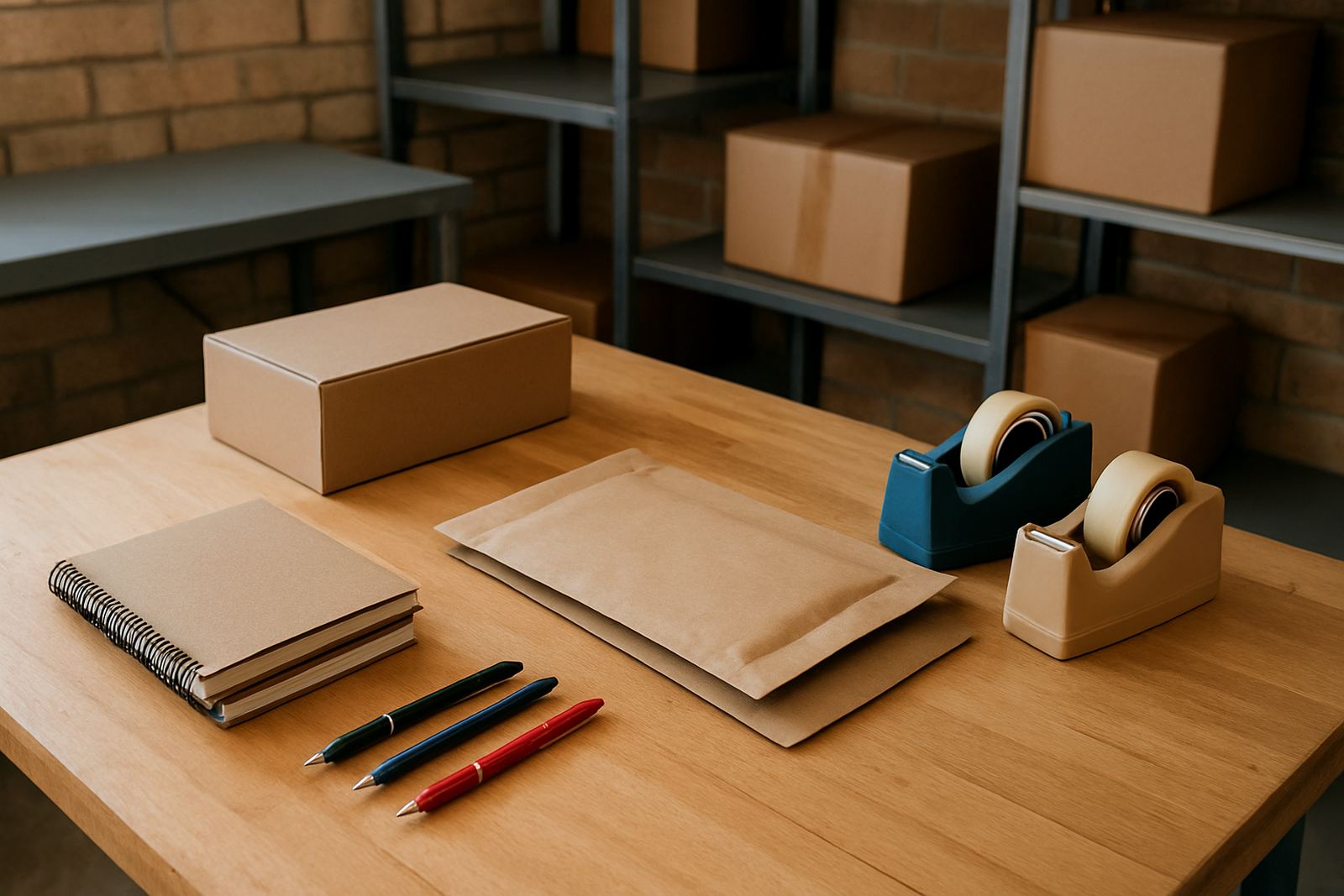
- Bubble wrap, tissue paper and kraft paper for protection and presentation
- Tape, labels, scissors and a permanent marker
- A digital scale for parcels up to 30 kg
- A measuring tape for length, width and height
- Plastic sleeves or bags for items that must be kept dry in coastal humidity
For sellers working through load-shedding, it helps to keep the packing station practical. A charged scale, backup light and printed packing slips can save time when the power goes off mid-pick and pack. A small generator or inverter is not essential for every shop, but if you ship daily it can keep orders moving.
Planning the packing area so orders move faster
A craft shop does best with a simple packing flow. Keep stock, packaging and completed parcels in separate spots so orders do not get mixed up, especially when you have different sizes of jars, soaps, prints or textile pieces.
A clear layout usually works best in a small room:
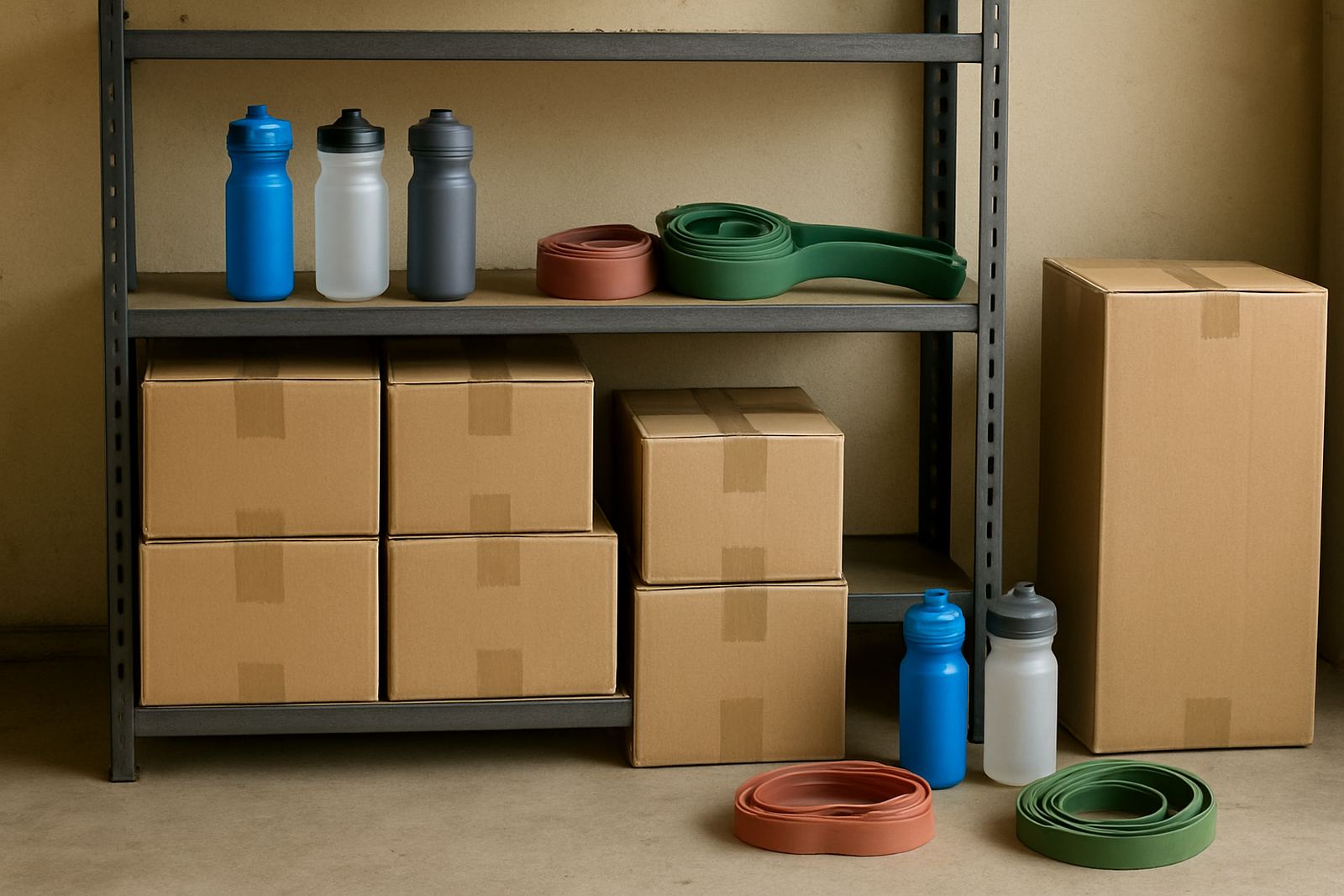
- One shelf or tub system for raw stock
- One table for packing and labelling
- One bin for void fill and offcuts
- One staging area for parcels waiting for collection
If collections happen early in the day, place packed parcels nearest the exit so the courier does not have to move through the work area. In apartments, shared offices or back rooms, keep walkways clear and label parcels by customer name and order number. A tidy handover reduces mistakes and helps when the courier arrives during a busy morning.
For local deliveries in Johannesburg or Pretoria, some craft sellers also keep a small emergency stock of common packaging sizes. That avoids last minute repacking when an item is slightly bigger than expected.
Courier choices for fragile, handmade and made-to-order items
Handmade products can be fragile, irregular or expensive to replace. A good courier setup should let you choose between economy and express services depending on the parcel and the buyer’s expectations.
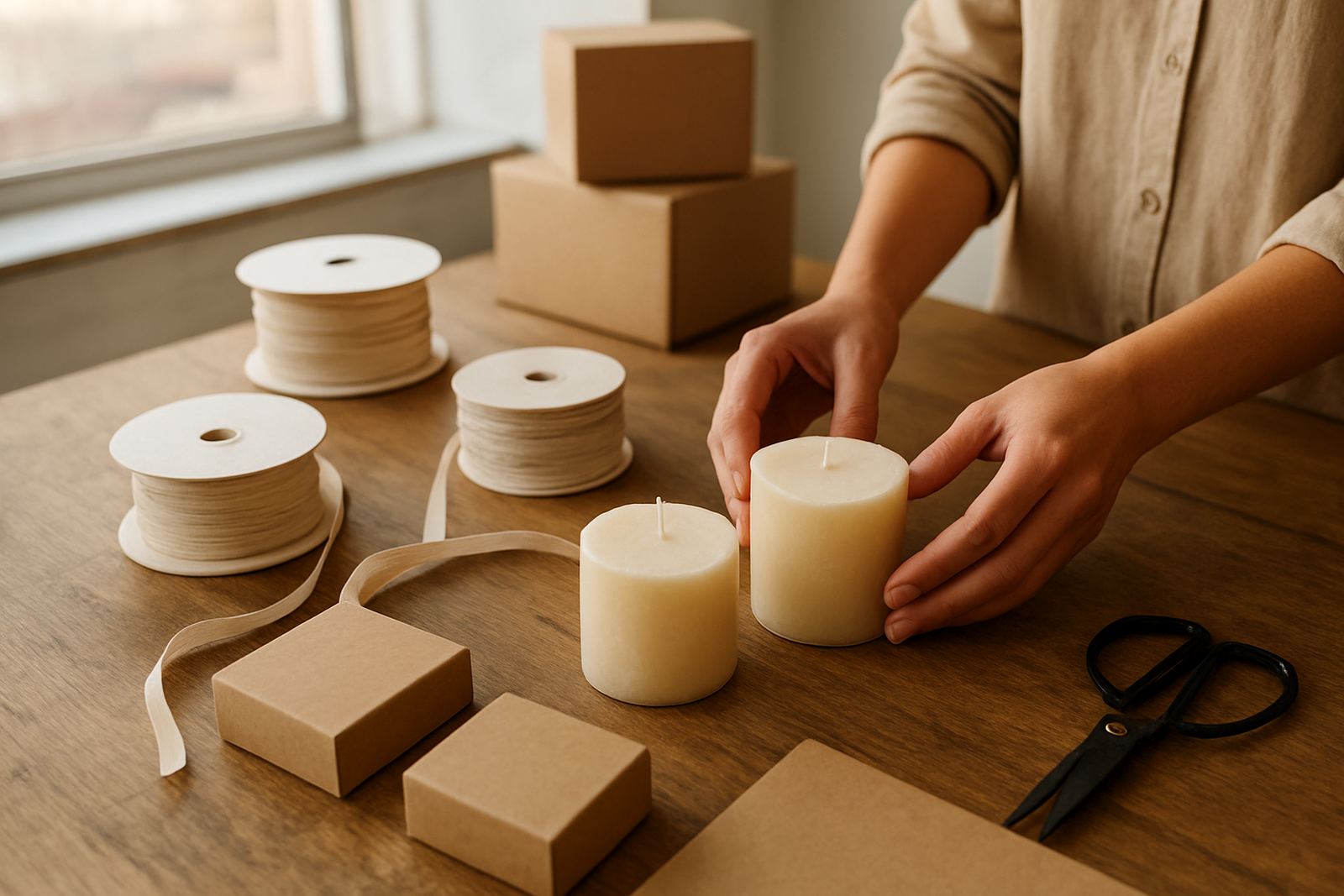
Delivery guidance is useful when you are sending items like candles, ceramics, framed prints, leather goods or gift boxes. The right option depends on breakability, value, destination and how quickly the customer needs it. If a buyer in Durban wants a wedding gift in time for the weekend, express may be worth the extra Rand. If a stockist in Cape Town is placing a restock order, economy may make more sense.
Good courier admin for craft shops usually means:
- Comparing prices before confirming the booking
- Checking size and weight accurately
- Choosing return collection support when a customer changes their mind
- Tracking parcels so buyers can see progress
- Keeping the shipping rules clear for fragile stock
For small shops, the best courier is often the one that matches the parcel, not the one with the lowest quote every time. A broken item costs more than a fair delivery fee.
Common mistakes when shipping handmade goods
Many craft sellers lose time and money on the same few mistakes. The biggest one is guessing parcel size instead of measuring it. Couriers price on actual size and weight, so a loose wrap job can push a parcel into the wrong band.
Another mistake is under packing. Handmade stock may look light but still need protection at the corners, lids, handles and edges. Jars and bottles should be separated inside the box. Fabric items should be kept clean and dry. If your shop ships from coastal areas, moisture protection matters all year not just in winter.
Other issues to avoid:
- Using one box size for every order
- Forgetting to include return notes for exchanges
- Booking a service that does not suit a fragile item
- Leaving parcels unlabelled in a shared workspace
- Not checking whether the delivery address is a home, business or pickup point
For sellers taking orders from multiple platforms, another common problem is duplicate admin. A simple booking process helps avoid sending the same parcel twice or missing a collection because the order was not recorded properly.
Budget ranges for small craft shops
Budget depends on parcel size, delivery area and how often you ship. A small craft shop sending a few parcels a week can often keep courier spend manageable with good packing and sensible service choices. As a rough guide, local and metro deliveries may start from about R60 to R150 per parcel, while national deliveries can sit anywhere from about R90 to R250 or more depending on weight and speed.
If you ship fragile or bulky items, set aside extra for packaging. A small craft business might spend R300 to R1 200 a month on cartons, tape, labels and wrap, while busier sellers may spend more. If you need regular returns collections or express deliveries, build that into your pricing from the start so it does not eat into profit.
A simple way to plan is to separate costs into three parts:
- Packing materials
- Collection and delivery fees
- Exceptions like returns, express orders and redeliveries
That approach helps a handmade seller keep margins clear and avoid guessing when an order goes out. It also makes monthly courier spend easier to track when sales pick up over peak seasons.